


As US-China tensions escalate, India accelerates trade deals with Canada, UK, EU and Brazil, slashing tariffs and expanding global alliances.
Canadian Prime Minister Mark Carney was expected in India at the start of this month to negotiate a new bilateral trade deal that would cover all services and goods.
New Delhi has historically been protective of its small businesses, endeavoring to shield them from foreign competitors. Nevertheless, a shifting geopolitical climate is changing the art of the deal.
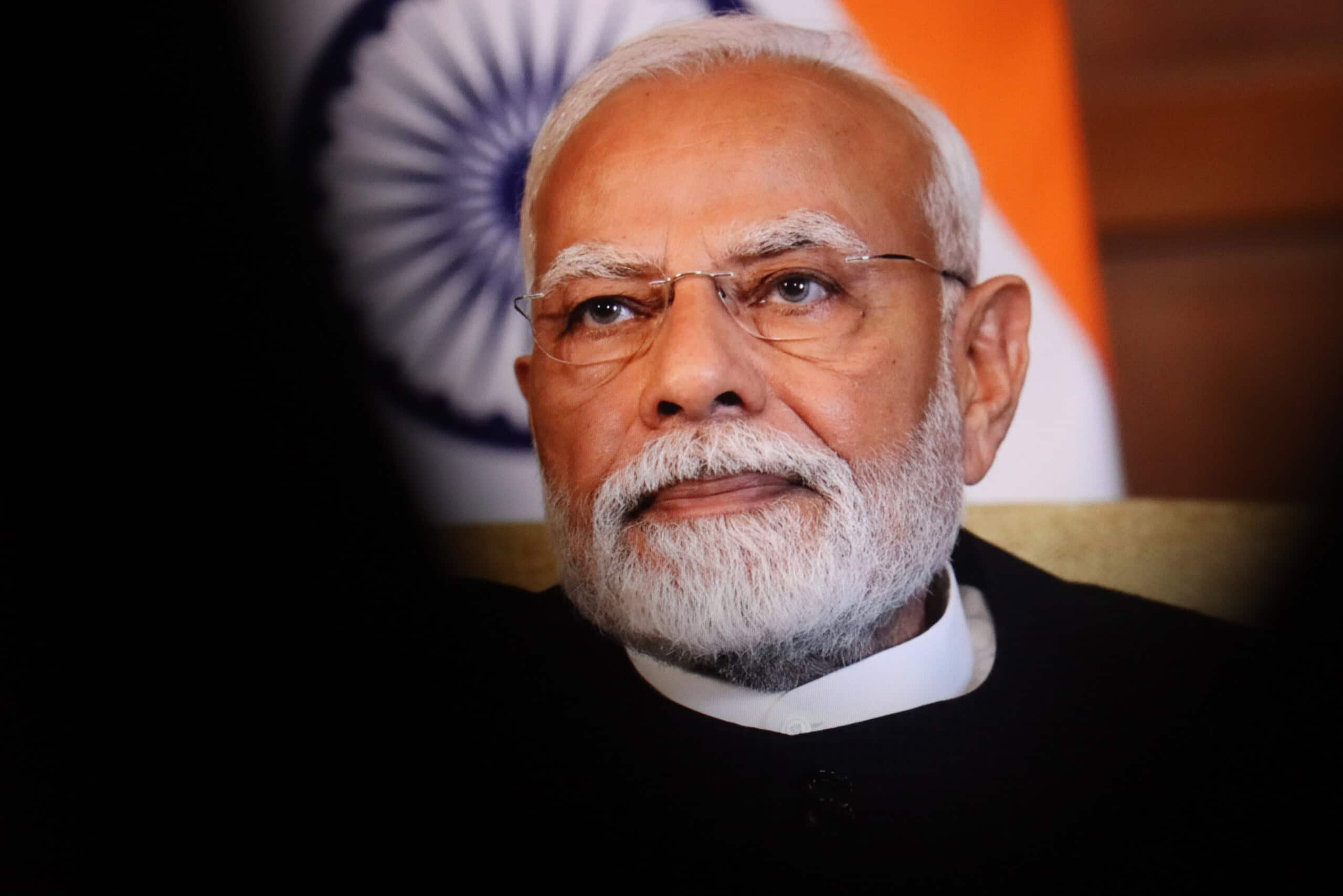
Faced with evolving threats including US tariffs and China’s manufacturing dominance, Indian Prime Minister Narendra Modi has quickly changed his tune. To curb his country’s reliance on the US, he is listening to other middle powers that want to expand their own alliances.
Last July, India signed a free trade agreement with the UK and then with Oman and New Zealand the following December.
In February, the very busy prime minister received Brazilian President Luis Inácio Lula da Silva. They agreed to extend cooperation in AI, mining, and minerals. Bilateral trade between the two countries stands at $15 billion annually, but the Indian and Brazilian leaders expect to grow their trade beyond $20 billion over the next five years.
Lula expressed relief at the opportunity to bargain with a country far away from the US.
“When you deal with rich countries, it’s a sort of authoritarianism in the negotiations, not taking into account the happiness of each nation,” he told local newspapers. “With India, it’s different.”
Modi also concluded a groundbreaking negotiation with European Commission President Ursula von der Leyen. In January, the EU and India inked the “mother of all deals,” a free trade agreement covering 2 billion people and 25% of global GDP. Once it is signed by each EU member state, the deal will eliminate or lower duties on 97% of EU exports to India and 99% of Indian exports to the EU.
Von der Leyen said she expects $4.7 billion in annual duty savings and a doubling of exports by 2032. European carmakers, for example, can expect their tariffs to fall from 110% to just 10% over the coming five years. On the other side of the table, India will pay zero duty on its textiles, apparel, leather, footwear, gems, and jewelry.
“Europe will always choose the world, and the world is ready to choose Europe,” von der Leyen declared.