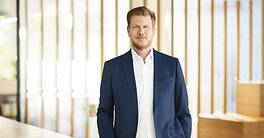

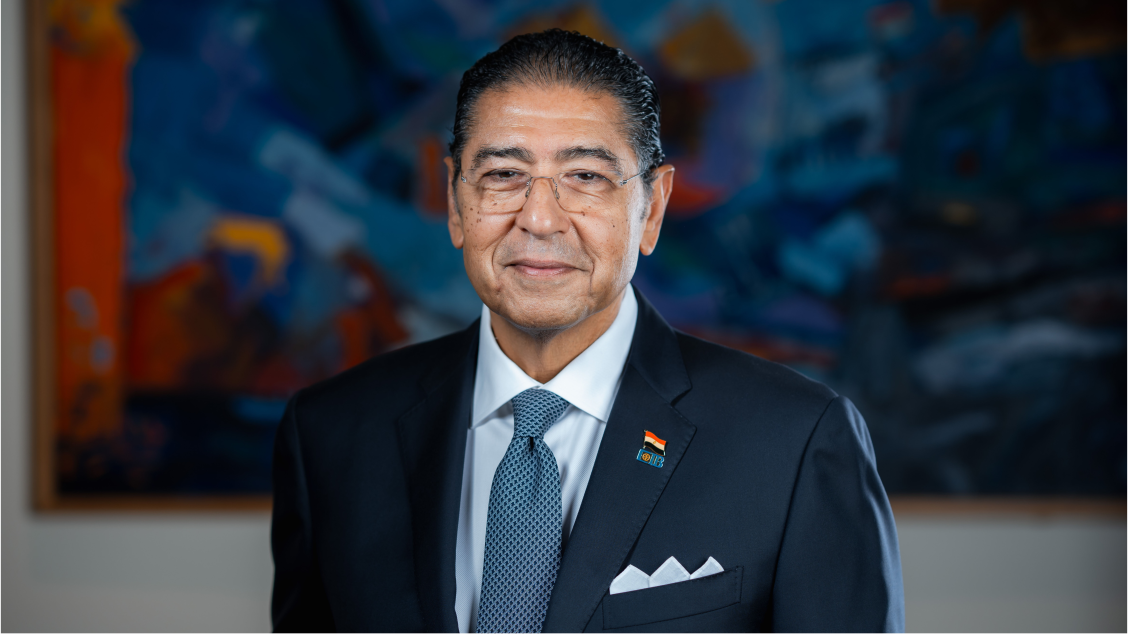


Hisham Ezz Al-Arab is CEO of Commercial International Bank (CIB), Egypt’s largest private sector bank. He discusses Egypt’s efforts to boost private-sector investment and how CIB helps clients navigate a changing global economy.
Global Finance: How has the private sector’s role in Egypt’s economy changed in recent years, and where is the greatest untapped potential?
Hisham Ezz Al-Arab: The private sector accounted for 78% of Egypt’s GDP last year while private investment reached a record 65% of total investments. The government aims to increase private investment to over 70% by 2030. In 2024, the private sector also generated 94% of exports and 82% of total employment.
To support this shift, the government is preparing to list 20 state-owned enterprises on the Egyptian Stock Exchange as part of its privatization program and its Extended Fund Facility commitments with the International Monetary Fund. Key sectors targeted include financial services, pharmaceuticals, and chemicals. There is also strong potential in renewable energy, with Egypt aiming to raise its share from 12% in 2023-24 to 42% by 2030, alongside export-oriented sectors like agriculture and tourism, which benefit from a weaker Egyptian pound.
GF: How do you see growth ahead for CIB?
Al-Arab: Over the past five decades, Egypt has faced demanding economic and political challenges, yet CIB maintained its stability through prudent risk management and a commitment to sound governance. Looking ahead, our five-year strategy is built around our vision of building tomorrow’s bank today. This means scaling our core business and strengthening our existing franchise in Egypt while expanding to cover a growing and shifting market. We further aim to lead the market in digital and mobile-first customer experience while investing in empowered and accountable talent and a future-proof tech foundation and operating model.
GF: As Egypt’s largest private-sector bank, how do you support small to midsized enterprises?
Al-Arab: CIB has built a strong value proposition for SMEs. Our customer base reached 91,000 clients in 2025, and our lending portfolio reached $320 million, EGP 16 billion, up 33% year-on-year. We deeply understand the challenges SMEs face, whether in financing, capacity building, or market access, and we actively help them overcome these obstacles through tailored lending programs and advanced digital solutions that allow them to manage cash flows and transactions effectively. We also support women-led businesses through specialized products and services.
GF: What reforms are most critical to unlocking more domestic and foreign private investment in Egypt?
Al-Arab: Egypt has been working toward restoring investor confidence by implementing legal, regulatory, and institutional frameworks to ensure competitive neutrality through its State Ownership Policy [aimed at boosting private-sector participation and divesting some state assets] as well as maintaining a flexible exchange rate to ensure liquidity and transparency.
In addition, Egypt’s Golden License initiative aims to eliminate bureaucratic red tape and expedite investment procedures through a one-stop shop for approval. As for CIB, we are continuously working to facilitate our customers’ financing needs by improving turnaround times and offering an online banking system for institutions for efficiency and customer satisfaction.
GF: How can public-private partnerships (PPPs) strengthen Egypt’s economy?
Al-Arab: The government has built a solid track record in partnering with the private sector on strategic projects, including airports, utilities, and mining. One of Egypt’s latest announced PPPs is the government partnering with the International Finance Corporation as a strategic partner and advisor to improve the infrastructure and connectivity of 11 airports across Egypt.
As a bank working with PPPs, we help bridge the long-term financing gap for capital-intensive infrastructure projects to relieve immediate public fiscal burdens. We partner on PPP projects from early structuring through financing and operational phases. This not only strengthens the project itself, but also provides additional comfort to international lenders and private investors, encouraging greater participation and supporting higher levels of foreign direct investment into Egypt. Throughout 2025, CIB served the private sector in various projects valued at over $1.5 billion in the renewables, water treatment, and logistics industries.
GF: How do you encourage private-sector clients to adopt sustainable practices?
Al-Arab: We support client transition through sustainable finance solutions, technical assistance, capacity building, and energy walk-through audits while fostering peer-to-peer dialogue among clients. We have also advanced transition finance in hard-to-abate sectors, such as hydrocarbons and cement. Our contribution to clients goes beyond financial support to include technological advisory and capacity-building based on industry best practices.