

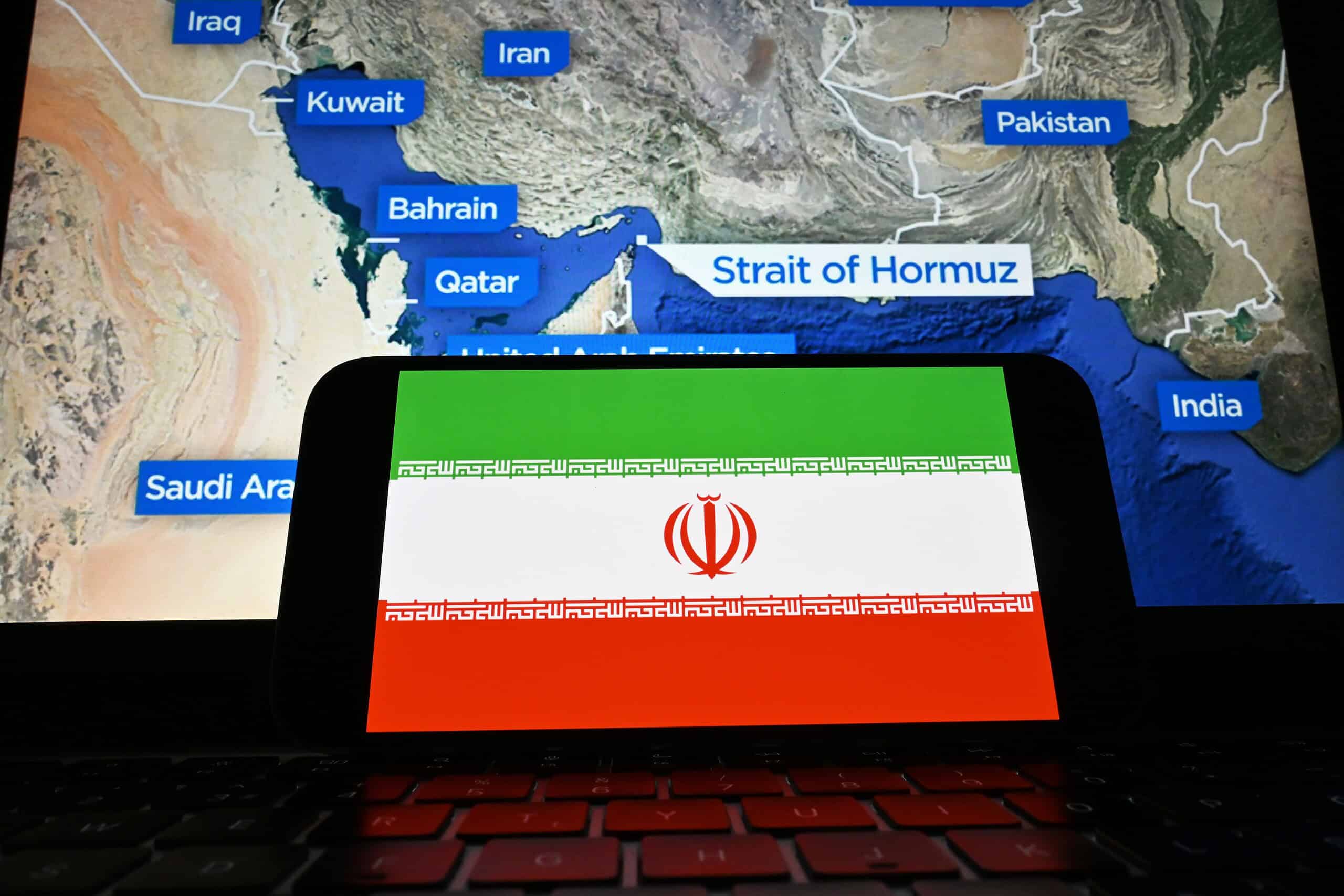


The Strait was once an unavoidable path for global energy. Now, Gulf producers must find strategic workarounds.
The Gulf’s oil giants need options.
With the Strait of Hormuz proving increasingly vulnerable to geopolitical disruptions and U.S.-Iran tensions escalating, Abu Dhabi National Oil Company (Adnoc) and Saudi Aramco are investing billions in export routes that reduce their reliance on the strategic waterway.
Speaking Tuesday at S&P Global’s Middle East Petroleum & Gas Conference in London, Adnoc Executive Vice President Philippe Khoury said the company is already expanding crude export capacity to Fujairah and could potentially build a pipeline for refined products as well.
Adnoc is also constructing a second bypass route. Construction began for the 1.5 million-barrel-per-day West-East Pipeline in the first quarter of 2025. The company expects it to enter service in early 2027.
The move underscores an ongoing effort by the United Arab Emirates to reduce its dependence on the Strait of Hormuz further, Chas Johnston, Head of Energy at CreditSights, said.
“That is exactly what they are doing for crude exports,” Johnston told Global Finance. He pointed to Adnoc’s existing 1.8 million-barrel-per-day pipeline to Fujairah, which gives the UAE direct access to the Gulf of Oman and allows exports to bypass the Strait of Hormuz.
Backup Route
The emerging pipeline buildout reflects a deeper strategic recalibration. Producers, including Adnoc and Saudi Aramco, no longer treat the Strait of Hormuz as a viable export route. Instead, they are investing in pipelines and other infrastructure that reduce their dependence on the waterway that remains at the center of the fragile U.S.-Iran peace talks.
The bleak scenario doesn’t just affect crude oil. Refiners and producers are now weighing plans to build similar bypass infrastructure for gasoline, diesel, and jet fuel—products that often deliver higher margins and serve markets with few substitutes.
“It could make sense for them to consider building an outlet for refined products that also bypasses the Strait,” Johnston said. But he cautioned that the economics are slow-moving: “It takes a few years to build pipeline infrastructure, so it’s unlikely anything new can get built before Strait traffic improves.”
Still, the signal is clear. The region is pricing in disruption risk as a baseline assumption, not a tail event. After years of tension involving Iran and repeated concerns over maritime security, Gulf producers are treating diversification of export routes as a form of financial insurance.
Reshaping National Strategies
Saudi Aramco and ADNOC’s prior investments have cushioned their revenues, while more-exposed exporters face mounting pressure.
“After what has happened to countries like Iraq, Kuwait and Qatar, investing in pipelines to bypass the Strait of Hormuz is almost common sense,” Johnston said. “ARAMCO and ADNOC’s past investments in pipelines have allowed both to generate more cash flow than expected this year, while the other countries that are fully reliant on the Strait are experiencing financial pressure.”
“Hydrocarbon exports account for 30%-50% of GDP for these countries and 50%-90% of government revenue, and now that Iran has proven it can and will shut down the Strait, other countries will seek ways to reduce this leverage and diversify export routes,” he added.
Iraq will likely look for ways to bypass the Strait, too, Johnston added. Expect it to construct new pipelines or repair older pipelines like the Iraq-Turkey Pipeline that was shut down in 2014 after ISIS attacks.