




Key data points tracking shifts in private credit, finance talent, and global shipping costs.
This article appears in the September 2026 issue of Global Finance Magazine.
Each month, Global Finance readers can look forward to our “By the Numbers” feature: A spotlight with key industry metrics that highlight a market in transition. This edition brings you three charts: a break down the numbers driving strategic moves across private lending, corporate talent, and global trade.
US Private Credit Lender Leaderboard for Q2 2026
Despite a significant drop in deal volume from the previous quarter, driven by higher financing costs, interest-rate uncertainty, and a possible AI-driven market correction, direct lenders are still finding opportunities.
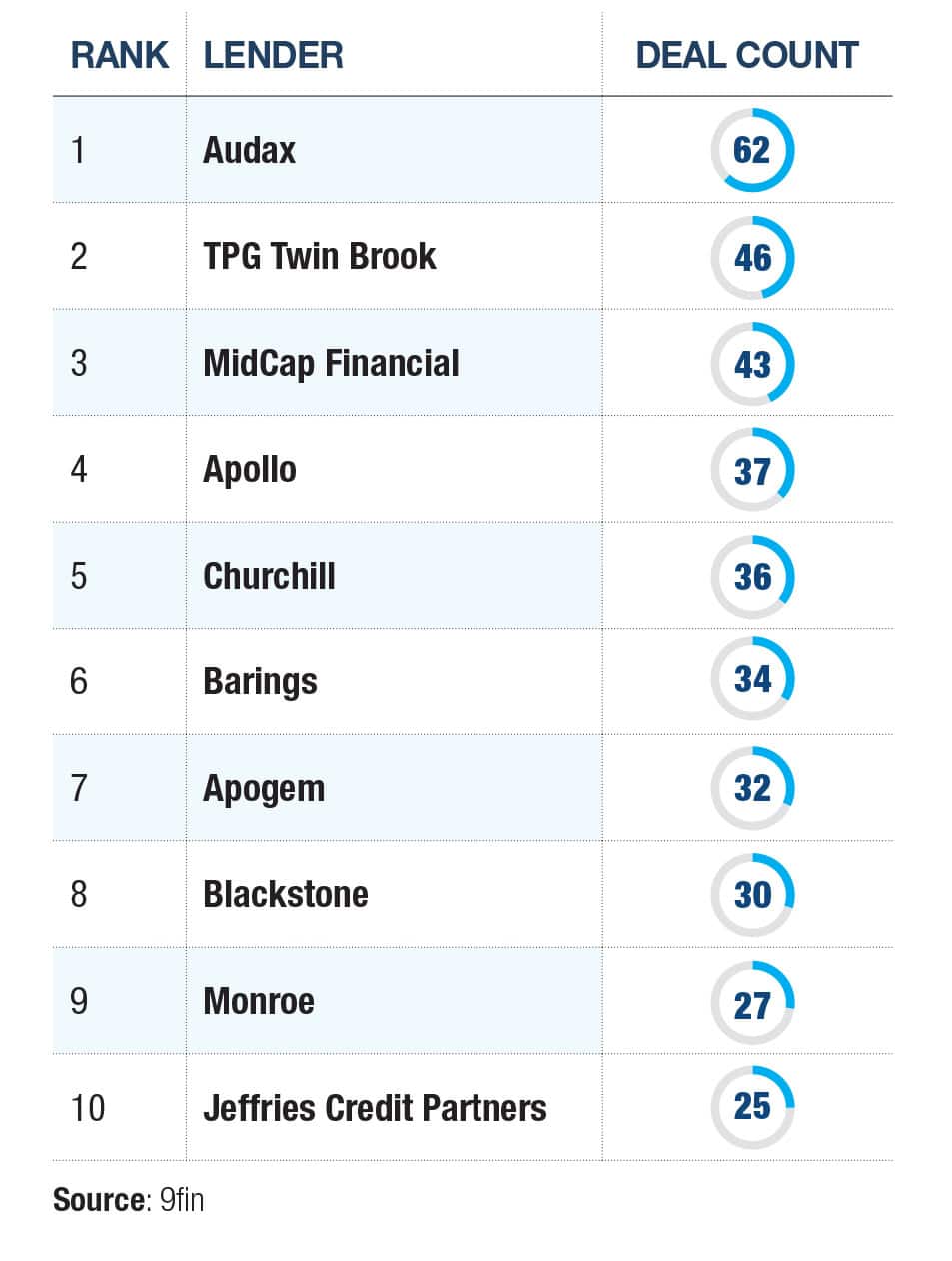
Audax led the field by a wide margin, closing 62 deals in the second quarter — 16 more than second-place TPG Twin Brook (46) and 19 ahead of MidCap Financial (43), according to 9fin data. That gap at the top suggests deal flow is concentrating among a handful of active lenders even as overall volume contracts.
Apollo (37), Churchill (36) and Barings (34) formed a tightly bunched second tier, each within three deals of the next. Apogem (32), Blackstone (30), Monroe (27) and Jefferies Credit Partners (25) rounded out the top 10.
Smaller, middle-market-focused shops like Audax and Twin Brook outpaced Blackstone this quarter despite its scale, making the firm’s eighth-place finish notable. Lenders with flexible mandates—rather than the biggest balance sheets—will likely keep writing checks amid higher financing costs and rate uncertainty.
The Finance Workforce Evolution 2024 – 2030
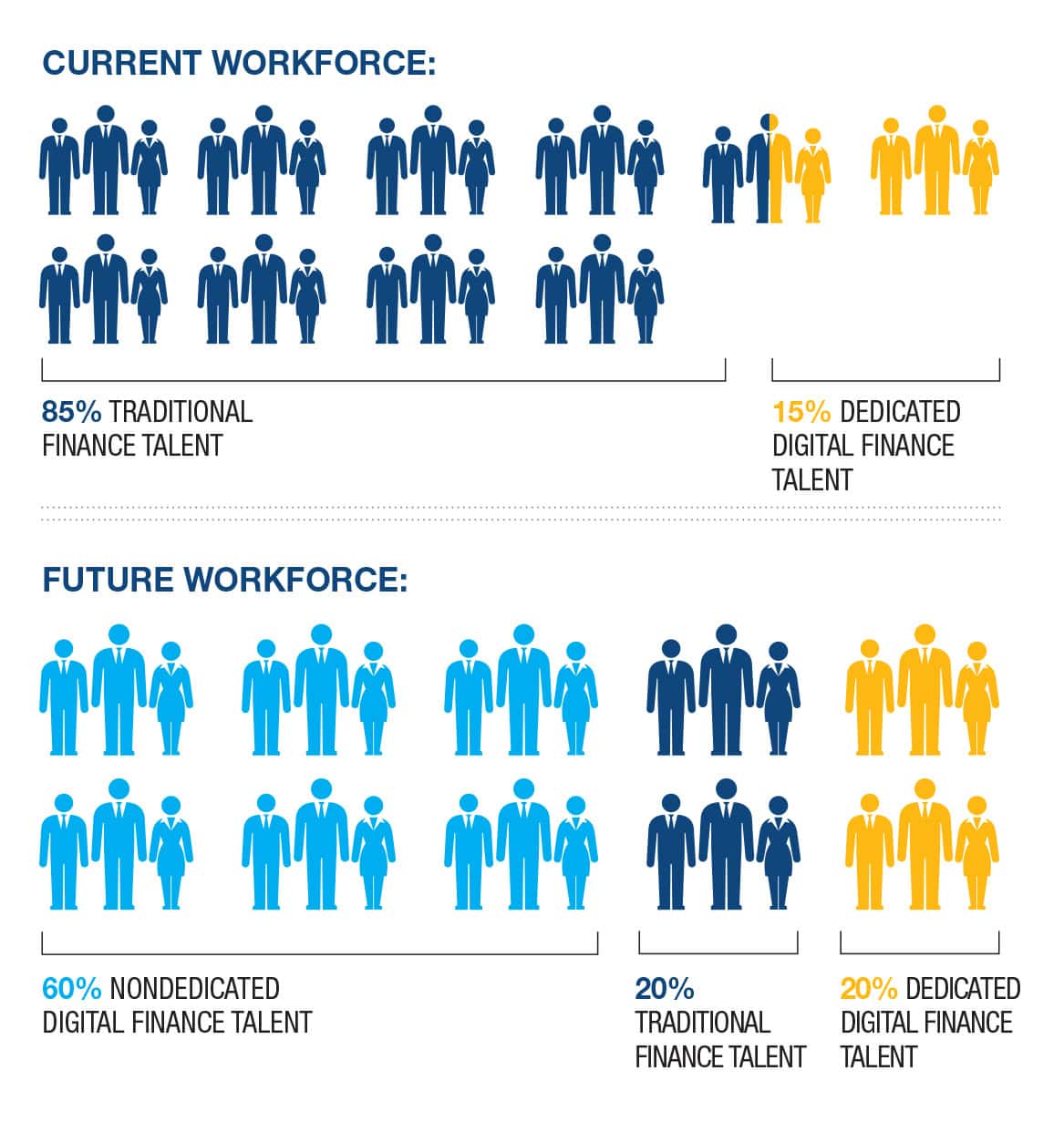
Gartner reports that traditional talent still overwhelmingly staff today’s finance function, with 85% holding conventional backgrounds and just 15% dedicated to digital skills. That balance will flip within four years.
Gartner projects traditional finance talent will shrink to 20% of the workforce. Dedicated digital finance talent will likely grow to another 20% — and 60% of the workforce will be made up of “nondedicated” digital finance talent, employees who blend finance expertise with data, automation and technology skills rather than fitting neatly into either camp.
The shift means the finance department of 2030 will look less like a roomful of accountants and more like a hybrid team built around technology fluency, with only one in five employees carrying a purely traditional finance profile.
Dry Bulk Shipping Market Growth
Increased geopolitical risk, fuel costs, insurance premiums, and operating expenses are fueling a steady growth in shipping costs for the foreseeable future.