


IMF and World Bank meetings examine the limits of economic resilience amid climate risks, debt pressures, and AI.
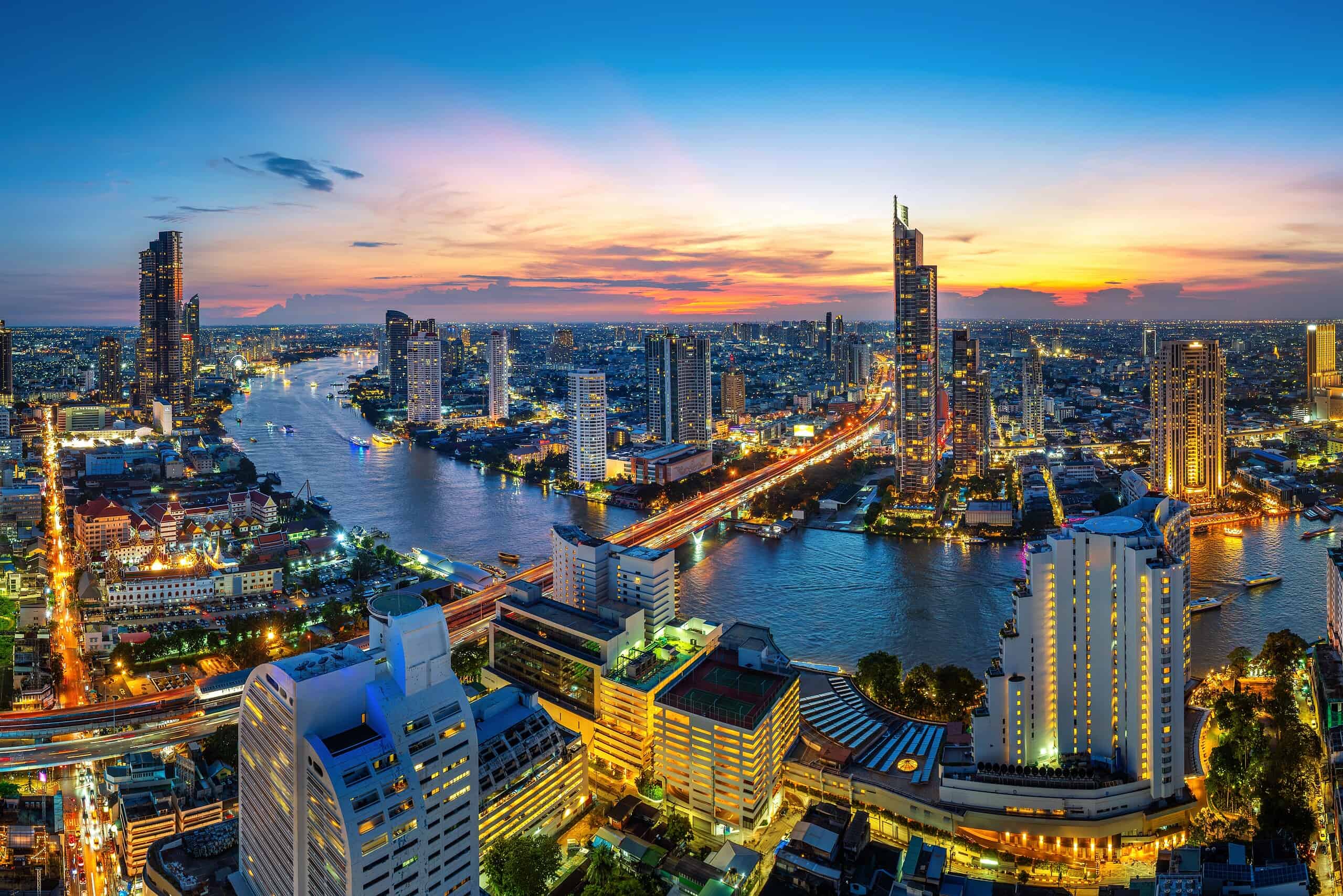
While walking around central Bangkok, it’s easy to miss the damage that prompted IMF and World Bank officials at their annual meeting to consider postponing this week’s event.
No evidence of the extreme flooding elsewhere in the city, which caused so much damage and loss of life just a week ago, is visible. Life goes on—scooters buzz and trucks barrel down the expressways and narrow streets where vendors hawk exotic foods and trinkets. Bangkok officials did an admirable job cleaning up to prepare for the arrival of some 15,000 attendees, and the area surrounding the convention center is as dry—and secure—as it’s probably ever been.
Inside the meetings, though, the question was how much more disruption—climate-related or otherwise—the global economy can absorb, and who can afford to recover when the next shock arrives.
At Tuesday’s World Economic Outlook briefing, IMF Chief Economist Silvana Tenreyro described a world economy being pulled in two directions. Conflict in the Middle East has pushed energy prices higher, while investment in artificial intelligence has helped drive growth. The IMF outlook projects global growth of 3.1% this year, but that headline figure masks sharp differences among countries. Energy exporters and countries driving the AI boom are better positioned, she said, than those that must import fuel or have little stake in the massive technology surge.
“The economy has been resilient, but that resilience is reaching its limits,” Tenreyro said at the briefing.
The economy is holding up, in part, because countries and companies have navigated disruptions by rerouting supplies, drawing down inventories, improving efficiency, and finding alternatives. Without those adjustments, the IMF estimates global growth would be closer to 2.5%.
But these measures have limits. Inventories run down. Efficiency gains can only go so far. And another shock—whether geopolitical or climate-related—could arrive before economies have recovered from the last one.
G-24’s Climate and Debt Dilemmas
The Intergovernmental Group of Twenty-Four on International Monetary Affairs and Development, or G-24, which represents emerging-market and developing economies, brought the issue closer to home. Nigeria’s finance minister and G-24 chair, Taiwo Oyedele, cited the flooding in Thailand to argue that climate commitments need to be backed by money, not just promises.
“Our appeal to world leaders is to put their money where their mouth is,” he said in a separate briefing shortly after WEO’s.
For businesses, resilience has a price. Holding extra inventory, diversifying suppliers, and keeping cash on hand can seem like unnecessary costs when markets are stable. But during a disruption, they can keep production moving and prevent higher costs from affecting the business.
Countries face a similar trade-off but lack the same resources. Developing economies need funding for infrastructure, climate preparedness, and basic services, even as debt payments consume a large share of public funds. Oyedele cited estimates that developing countries pay roughly $500 billion more in debt costs than developed economies. His broader point is clear: The countries that need to invest in resilience often face the highest financing costs.
Iyabo Masha, director and head of the Secretariat of the G-24, described the dilemma this way: “Debt is something that restrains growth.” When governments spend so much on creditors, she said, they have less left to invest in their economies.
The AI Factor
Another uncertainty in the IMF’s outlook is that AI investment may boost growth, but its benefits do not necessarily translate into jobs. Oyedele warned that countries with younger populations could see growth alongside rising unemployment if they do not plan carefully. Growth, he said, “has to be job rich; it has to be inclusive.”
That’s a broad definition of resilience—not simply keeping an economy growing, but ensuring people benefit and that governments retain the capacity to respond when circumstances change.
In Bangkok, the discussions have ranged from growth forecasts to debt and climate finance. But the underlying question is who can afford to prepare for the next disruption and who will be left to pay for recovery.
Central Bangkok shows little sign of the recent flooding, but that doesn’t mean the damage elsewhere was any less severe. The same holds for the global economy: a resilient growth forecast doesn’t mean every country is equally prepared for the next shock. The question is how much each can afford to absorb—and what it might have to give up to recover.