



Economic growth requires a balance between taxation and sovereign debt.
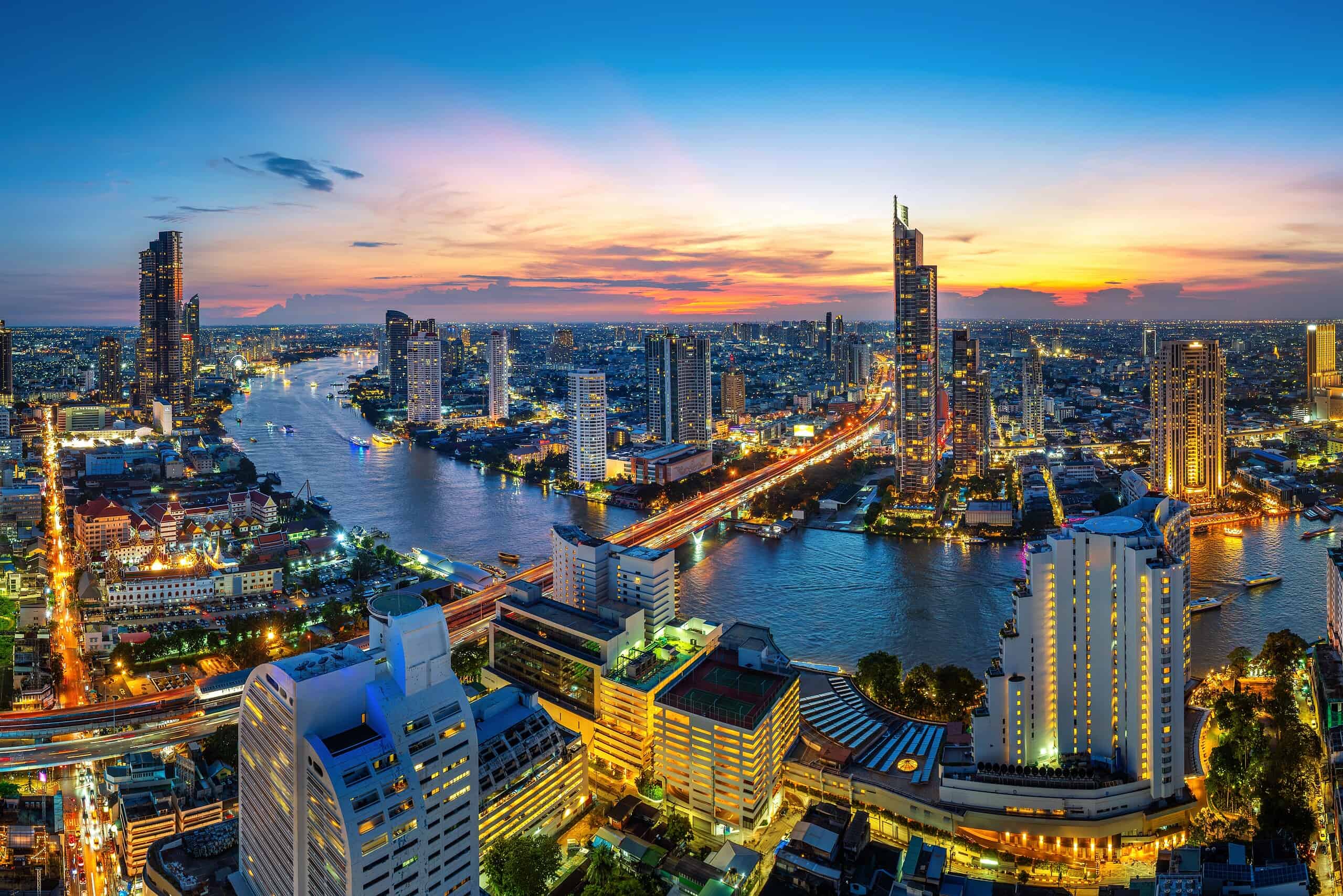
Borrowing costs and debt financing took center stage as the G-24 addressed reporters during the IMF and World Bank annual meetings in Bangkok.
Global conflicts, shifting trade policies, volatile commodity prices, and frequent climate shocks have created significant headwinds for global growth, said G-24 Chairman Taiwo Oyedele, Nigeria’s Minister of Finance and Coordinating Minister of the Economy, during the briefing.
However, he said that adopting new technologies, such as artificial intelligence, without proper regulation can drive growth while increasing unemployment. “This is a collective responsibility for all of us to ensure that growth is not for the sake of growth. It has to be job-rich and inclusive. And at the end of the day, it must translate into better living standards for our people.”
Pursuing microeconomic stability is not a bad policy and complements other policies that foster economic growth, Iyabo Masha, director of the G-24 Secretariat, said during the same briefing. “If a country doesn’t have a stable microeconomic environment, it is not possible to build on structural job-related policies.”
Financing Economic Growth
Paying down sovereign debt to fund growth may sound reasonable, but countries must balance tax collection with debt, according to Oyedele.
“It is not one or the other,” he said. “Ultimately, the essence of tax and debt is to cater to the people. If you always put the people at the center of your policies, it won’t be perfect, but it will work and be sustainable.”
Meanwhile, debt restructuring has become more robust since Sri Lanka restructured its sovereign debt in December 2024, but it still constrains economic growth, according to Iyabo Masha, director of the G-24 Secretariat, at the same briefing.
The IMF’s updated debt sustainability framework introduced new metrics that improve assessments of a country’s debt load and inform how much debt a country takes on, she added. The [Global] Sovereign Debt Roundtable also updated its restructuring playbook to help countries spend less time going through the process.
Also, during the annual meeting, the Borrowers’ Platform, backed by the UN Conference on Trade and Development, held its inaugural Governing Council meeting. The platform provides debtor countries with a forum to articulate their positions and learn more about sustainable debt practices and the type of debt that best suits them.
“We’ve come a long way since Sri Lanka happened in 2023, but there is still a long way to go,” said Masha.
Rob Daly covers fintech and the economy. Contact him at rdaly@gfmag.com.