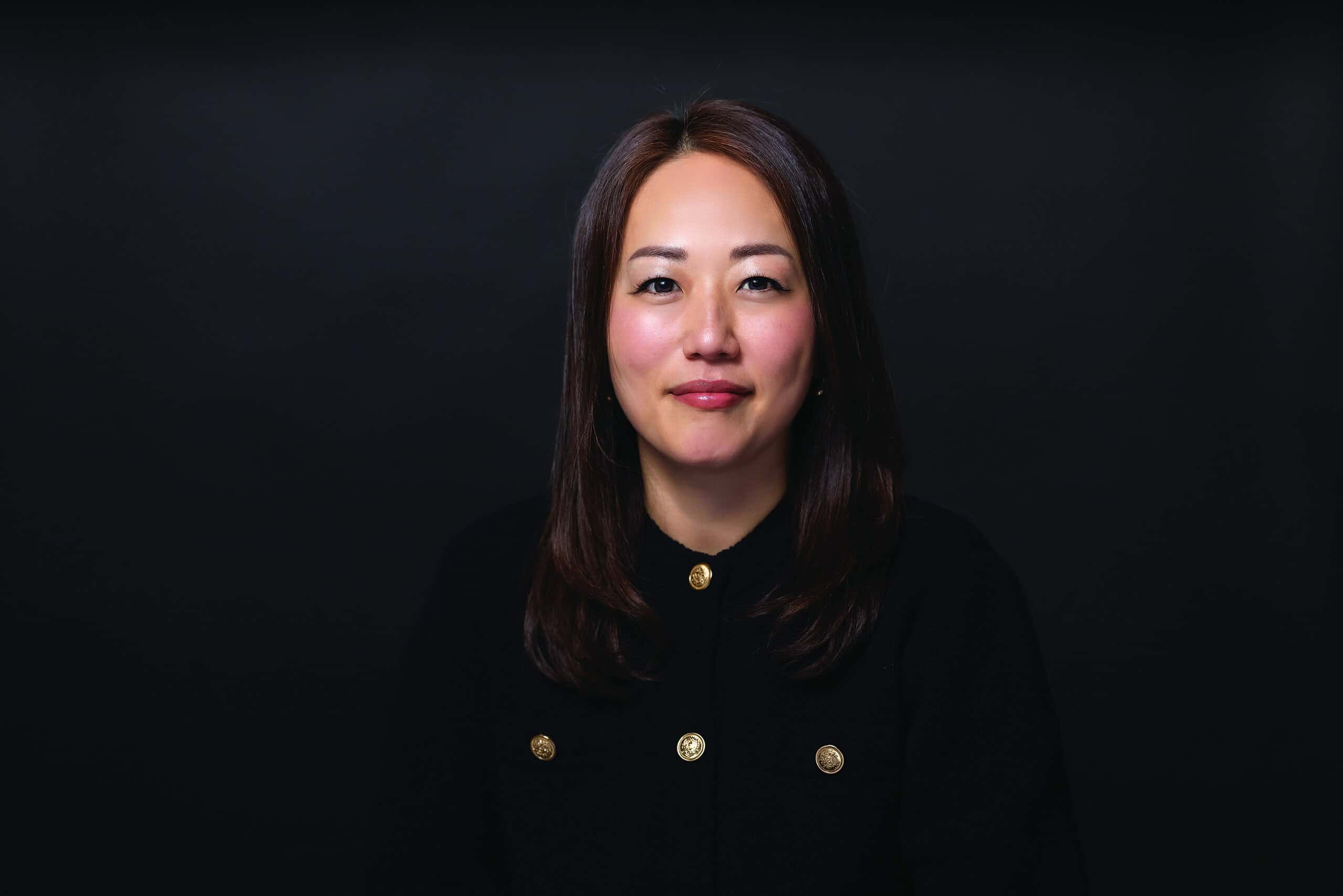


FTI Consulting's Angela Nam talks about AI, leadership, and how to stay ahead when the market gets messy.
Angela Nam joined Washington, DC-based FTI Consulting as CFO in May after serving as CFO of FTAI Aviation since 2022. Prior to that, she worked in private equity at Fortress Investment Group and as a senior manager auditor at KPMG.
She spoke with Global Finance about what makes the finance function successful, the role of AI going forward, and how to navigate economic and geopolitical uncertainty.
Global Finance: What stands out in your career?
Angela Nam: Helping organizations drive sustainable growth and create value through periods of transformation and market change. I’ve had the opportunity to lead finance and accounting organizations at different stages of their lifecycle, from private equity-backed businesses and IPOs to multinational public companies, which has given me a broad perspective on growth, capital allocation and value creation.
I’ve also focused on building finance functions that do more than report results. To me, the most effective finance organizations provide insights that enable strategic decision making and help businesses navigate complexity with confidence.
Equally important has been developing talented teams and future leaders. Seeing people grow in their careers, pursue new challenges, and contribute to an organization’s long-term success has been one of the most rewarding aspects of leadership to me.
GF: What takes up the biggest chunk of your time?
Nam: Partnering with business leaders to align financial strategy with the firm’s strategic growth priorities. As an expert-led firm, FTI Consulting’s success is rooted in helping clients navigate complex challenges and opportunities; finance plays an important role in supporting that mission. That means evaluating investments, allocating resources, and assessing opportunities that strengthen our ability to serve clients and grow our business.
Drawing on my experience in financial strategy, capital markets, transaction execution and organizational transformation. I also spend considerable time helping ensure the organization remains agile and well-positioned to respond to evolving market conditions while creating long-term value for stakeholders.
GF: How important is it for you to have a good team?
Nam: A leader’s success is ultimately a reflection of their team’s success. I’m only as strong as the people around me, which is why attracting, developing and empowering talented individuals is one of the most important responsibilities of any leader.
GF: What defines a great team for you?
Nam: For me, a great team combines technical expertise, accountability, collaboration and intellectual curiosity. I find that the most effective teams are willing to challenge assumptions, bring forward new ideas and learn from one another. I believe leaders have a responsibility to create an environment where people can openly share, innovate and challenge themselves to do their best work.
I’ve had the benefit of working in such environments throughout my career, so I am a firm believer that when people are empowered to grow and contribute, the entire organization benefits.
GF: How do you see AI affecting the finance function?
Nam: AI has the potential to be a powerful enabler for finance organizations. It can automate routine processes and accelerate data analysis, enhance forecasting and scenario planning, and provide more timely insights to support decision-making. Over time, that can give finance professionals greater capacity to partner more closely with business leaders, focus on strategic priorities and help the organization respond more quickly to changing conditions. At the same time, I firmly believe that AI is most effective when paired with high-quality data, strong governance and human judgment. Those elements will remain essential, regardless of how the technology evolves.
GF: What do aspiring CFOs need in their skillset to succeed?
Nam: My advice is to develop a deep understanding of the business, not just finance and accounting. The most effective CFOs are strategic advisors who understand how decisions impact the entire firm and its clients and contribute to long-term value creation.
My career experience has reinforced the importance of understanding the broader business context behind every financial decision. Strong communication and leadership skills are equally important because much of the role involves influencing decisions, building alignment and helping organizations navigate change. It’s also important to stay adaptable. The business environment continues to evolve. Successful leaders are those who embrace continuous learning and are willing to influence change.
Finally, invest in relationships, develop meaningful mentors and mentees and build strong teams. Your impact as a leader is ultimately measured not only by the results you achieve but by the people you develop and the organization you help build.
GF: What keeps you up at night?
Nam: Like many business leaders, especially in the current environment, I think about how we can navigate economic and geopolitical uncertainty while continuing to grow and deliver for clients. The challenge is balancing prudent risk management with continued investment in innovation, talent, and the capabilities needed to support growth.
Periods of uncertainty often create opportunities for organizations that remain disciplined and agile. Ultimately, my focus is on ensuring that FTI Consulting remains resilient, adaptable, and well-positioned to capitalize on opportunities while continuing to create long-term value for our people, our clients, and our shareholders.
Tiziana Barghini is a contributing writer based in the U.S.