
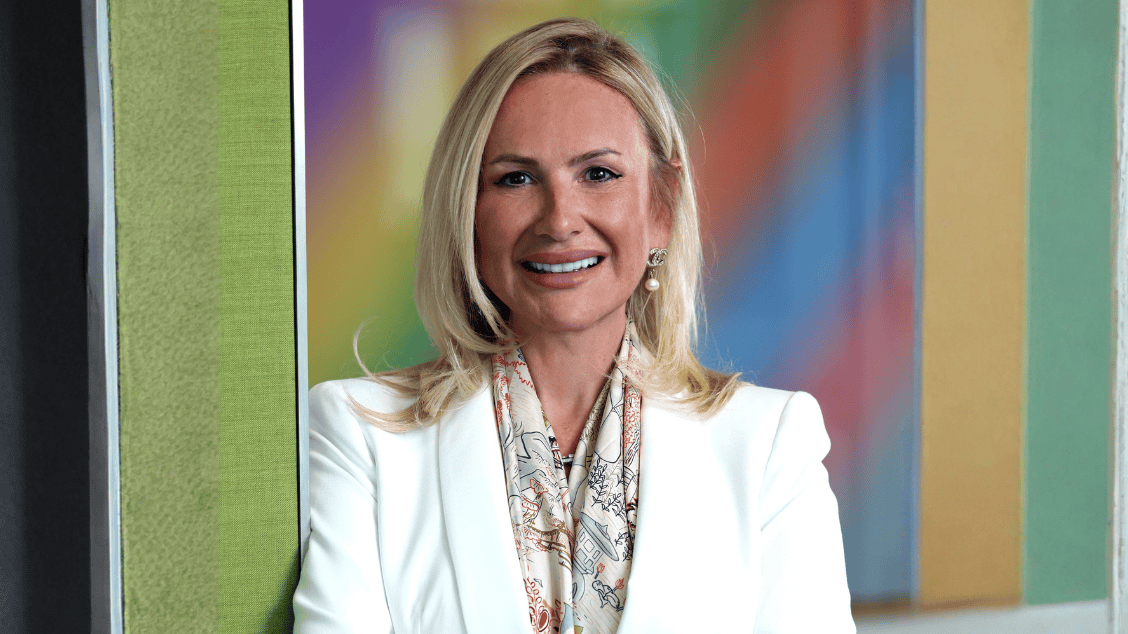


Yeliz Ataay Arıkök, director of Treasury Sales and Financial Institutions and chair of the Sustainability Committee at QNB Türkiye—this year’s Best Bank for Blue Bonds in CEE region—discusses her bank’s role in the sector.
Global Finance: Sustainable finance (SF) is a growing segment in Turkish banking. Why, and what sectors are the most dynamic?
Yeliz Ataay Arıkök: SF has grown rapidly in Turkey due to regulatory alignment with global standards, increasing climate-related risks, and strong demand from corporates seeking access to international capital. Turkey is very exposed to climate transition risks due to the high number of manufacturing-related sectors, and companies need to meet ESG requirements to be able to export.
Much of the demand is from renewable energy companies. In addition, blue-chip companies—particularly those in sectors such as cement, aluminium, and iron and steel—are trying to reduce emissions through investments in modernization. Banks have targets to reduce emissions generated through their customers, so their access to finance is also crucial.
GF: It’s been 10 years since Finansbank became QNB Türkiye. It is now one of the largest banks in Turkey. How has being part of QNB, a Qatar-based banking group, impacted your ability to develop SF business, given the strength and size of other locally based banks?
Arıkök: Being part of a Gulf-based banking group with a solid balance sheet, a long-term strategic outlook, broad international market access, and a strong SF and product framework has significantly enhanced our ability to develop SF solutions. In addition, strong dedication at group level—particularly in structuring green, social, and transition finance instruments—has played a critical role in accelerating our SF journey.
Leveraging the strength of the group, we have introduced several firsts in Turkey, including the first-ever global transition bond issuance; one of the very first blue bond issuances in the world, and the first in the Middle East and Turkey; the first local green/sustainable deposit; and the first local-only, long-term, sustainability-linked syndicated loan.
GF: In late 2024 you issued a major blue bond, the first of its kind in Turkey. Are blue bonds a likely growth area for QNB Türkiye?
Arıkök: Yes, we see blue finance as a promising and natural extension of our SF strategy. We cannot overlook that Turkey has seas on three sides.
Turkey and the whole world face increasing water stress, making investments in water efficiency, wastewater treatment, and marine ecosystem protection critically important. The blue bond addressed this need while opening a new thematic funding channel for the market.
Building on our first in 2024, we have continued to execute blue bond transactions, including a private placement in early 2026, and we expect this trajectory to continue. We believe blue finance will gain further momentum as market awareness grows. Through these initiatives, we remain committed to supporting Turkey’s climate ambitions and advancing sustainable, long-term impact.
Winning Global Finance’s Best Bank for Blue Bonds in Central and Eastern Europe is incredibly rewarding and a great way to see our initiatives recognized.
GF: Your climate transition bond with the International Finance Corporation (IFC) was another first. What made this unique and why is it important?
Arıkök: This transaction marked a major international milestone, representing the IFC’s first-ever investment in a climate transition bond globally, while further reinforcing QNB Türkiye’s leadership in SF. It also achieved the distinction of being the first-ever climate transition bond issuance by a financial institution worldwide. In addition, the bond was among the first globally to be fully aligned with the International Capital Market Association’s Climate Transition Bond Guidelines, published last November.
The climate transition bond was unique because it focused on financing the transition of hard-to-abate sectors, rather than only green or already low-carbon activities. In an economy like ours, where industry plays a central role, transition finance is essential to achieve meaningful emissions reductions.
GF: How do you see the future of SF in Turkey, and which instruments will be most effective?
Arıkök: We believe SF will continue to grow strongly, moving from thematic issuance toward more integrated, transition-focused financing. As climate policies, disclosure requirements, and investor expectations evolve, sustainability will increasingly shape core banking products and become embedded in wholesale funding strategies. While transition finance is gaining increasing prominence, green and social financing will continue to play a vital role. As the global economy continues to reshape around sustainability, SF will become ever more critical in Turkey as well, supporting the journey toward its 2053 net-zero target.