
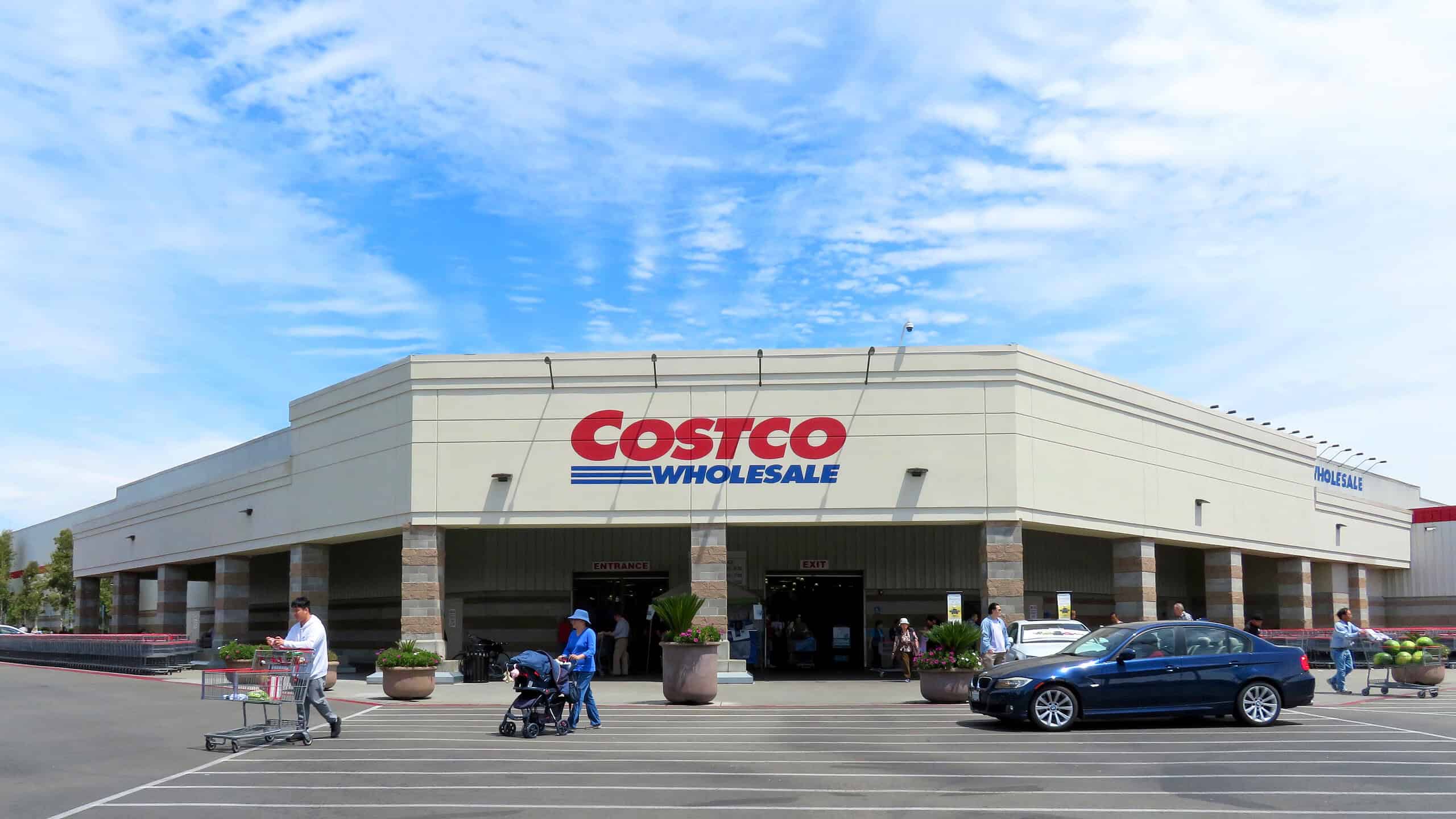


Costco’s most talked-about holiday happening might not be the deals on Dyson hair dryers, Godiva chocolates, or even the iconic $1.50 hot dog and soda bargain, but a lawsuit filed in late November against the Trump administration.
The wholesale giant is asking the courts to overturn the tariffs instituted under the International Emergency Economic Powers Act (IEEPA).
Costco argues that the law doesn’t give the president authority to levy import duties without Congress’s approval. The company is also seeking refunds of tariffs it paid on imported goods since the duties went into effect last February.
Costco is one of more than 100 companies, including Kawasaki Motors, Revlon, Yokohama Tire, and Bumble Bee Foods, that have filed suit demanding refunds on their tariff payments. The amounts are piling up. During the 2025 fiscal year, US Customs and Border Protection collected more than $216 billion in tariff revenue. For the first month of fiscal year 2026, the government has already pulled in $34.3 billion.
Brett Johnson, a partner and international trade law expert at Snell & Wilmer, says his firm has been inundated with multiple calls daily from CFOs in a wide variety of sectors asking what they should do.
“They’re mostly Americans,” says Johnson, “but I’ve also heard from Europeans, Canadians, Mexican companies, some from China, and a few from South Korea.” Importers with millions at risk have, like Costco, already filed with the Court of International Trade or are thinking seriously about it, he adds.
However, companies still have time to act, argues international trade lawyer Sydney Mintzer, a partner at Mayer Brown in Washington. “I would suggest waiting until the [Supreme Court] issues its decision, and then give it a little time to see what the ramifications are,” he says.
Legal experts including Mintzer say the US Supreme Court could rule as early as this month on whether the Trump administration improperly invoked the IEEPA, hitting dozens of countries with new reciprocal tariffs.