
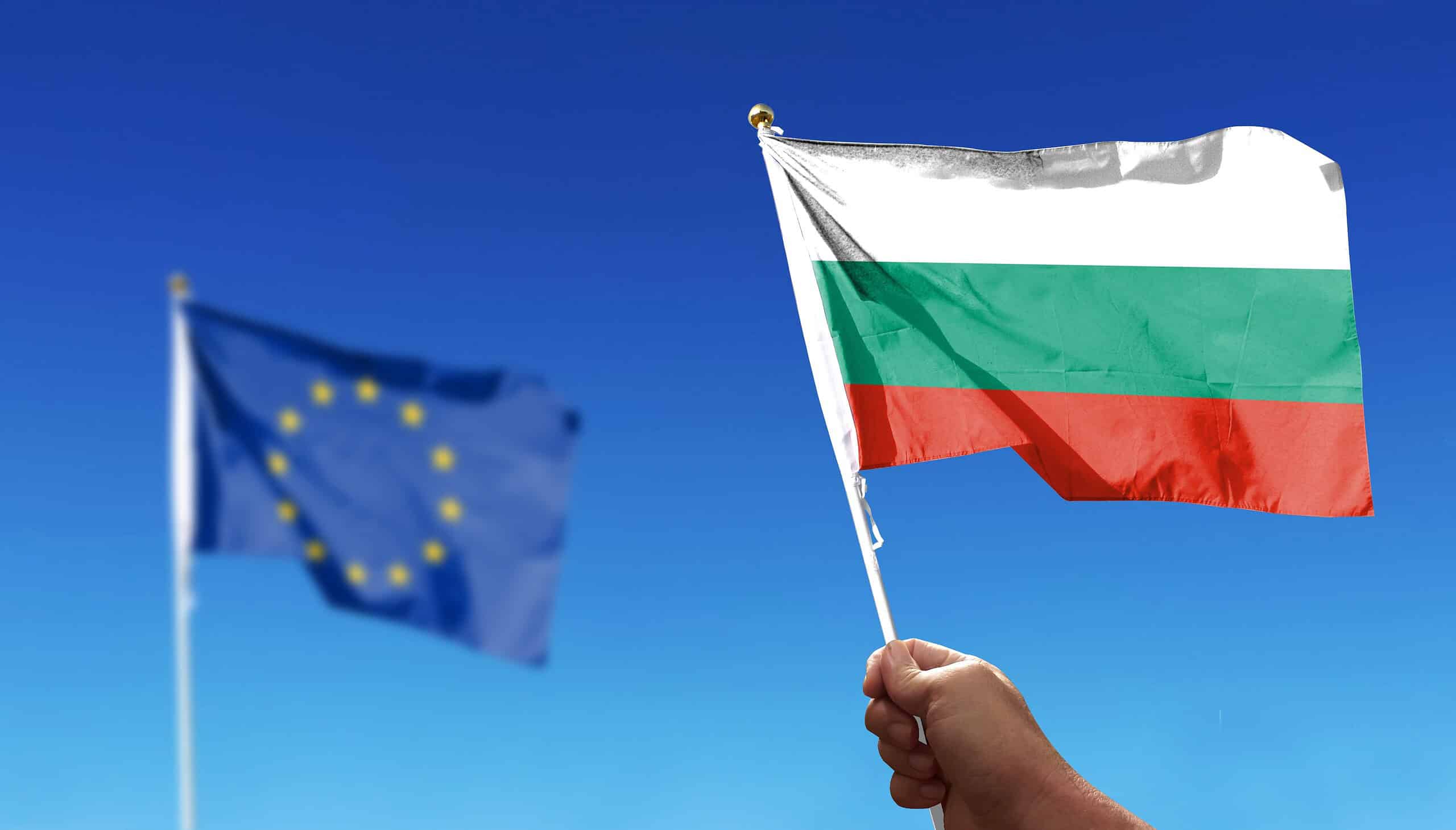


This year, Bulgarians will head to the polls. This election day will mark the eighth time since April 2021 that the Balkan nation has held parliamentary elections, securing its status as emerging Europe’s most politically volatile nation.
However, the vote will be held just as Bulgaria should be celebrating its accession to eurozone membership on January 1, a personal achievement of outgoing Prime Minister Rosen Zhelyazkov, leader of the center-right GERB party.
The collapse of Zhelyazkov’s shaky coalition government last month after weeks of street demonstrations caused the shelving of a planned austerity budget, is a blow to the prime minister. Despite his insisting for months that the euro will improve living standards and prosperity over the long term, a sizeable proportion of Bulgarians remain skeptical, many encouraged by widely available Russian anti-EU propaganda.
The hefty tax rises promised in the abandoned budget proved the final straw, as did perceptions of corruption reinforced by Zhelyazkov’s dependence in Parliament on the New Beginning Party of controversial oligarch Delyan Peevski, who is sanctioned by leading western governments.
Euro accession is a done deal, ensuring the EU integration will proceed. An emergency extension of the 2025 budget covers government salaries, pensions, and other basic expenditures. But this latest political crisis creates uncertainty at a bad time.
Fitch Ratings, which rates Bulgaria BBB+ with a stable outlook, a rating awarded before the crisis, projects real GDP to increase 3.3% over full-year 2025, with the budget deficit rising from 3% to 3.2% this year, helped by the country’s very low level of public debt (under 30% of GDP).
The real problems will come in 2027, when growth is expected to slow and the budget deficit to rise to 4.3%. “Institutional constraints and political instability have delayed progress on structural reforms,” notwithstanding euro adoption, comments Malgorzata Krzywicka, sovereign director at Fitch.
“Bulgaria is lagging on the absorption of EU funds under the Recovery and Resilience Facility (RRF) and regular cohesion funds. This could pose challenges to RRF disbursements.” The renewed political uncertainty will also weigh on growth, she adds.