


Qatar’s LNG-driven prosperity is reshaping both its domestic eco-nomy and its international footprint.
In late October, Sheikh Bandar Al-Thani, governor of the Central Bank of Qatar and Chairman of the Qatar Investment Authority (QIA), the nation’s sovereign wealth fund, met in New York with Larry Fink, chairman and CEO of asset management giant BlackRock.
Their second meeting within a year underscored a deepening partnership through which Qatar gains access to world-class wealth advisory while BlackRock taps into new and expanding pools of capital. This year, both institutions have jointly participated in multiple major US technology funding rounds, including AI firm Anthropic’s $13 billion Series F offering and smart vehicle company Applied Intuition’s $600 million round.
Private Banking And Wealth Management
A small desert country with an economy of commensurate size only a few decades ago, Qatar is now one of the world’s richest nations, with GDP per capita exceeding $80,000 for barely 350,000 nationals. Thanks to its expanding gas production, the emirate’s growth is expected to jump from 2.5% this year to over 6.5% in 2026, making it the best-performing economy in the Gulf Cooperation Council (GCC) and one of the strongest globally.
In a region that is already a magnet for global wealth, with transforming economies and accommodative fiscal regimes, Qatar’s rapid acceleration is drawing increased attention from investment banks, private banks, and wealth managers. Big names such as J.P. Morgan, HSBC, UBS, and Barclays are already present in Doha and expanding their teams.
Yet local institutions retain a strong advantage. Their bankers have cultivated relationships with Qatari families for generations, offering the kind of cultural understanding and trust that foreign competitors struggle to match.
“There is a noticeable increase in interest from international private banks and wealth managers targeting the GCC market, drawn by the growing affluence and capital inflows,” observes Chaouki Daher, general manager and head of Private Banking & Wealth Management at Dukhan Bank. “However, local and regional players retain a competitive advantage through cultural affinity, deep client relationships, and a better understanding of Islamic finance principles. That said, the competition is pushing all of us to elevate our offerings: especially in areas like digital experience, discretionary portfolio management, and tailored investment advisory.”
Dukhan Bank is Qatar’s third largest lender; its clients are mainly local high and ultra-high net worth individuals and family offices.
Some global firms are attempting to enter the market by leveraging local know-how. American asset manager Blackstone, for instance, is exploring a partnership with Doha Bank to provide Qatari clients with access to private-market investment solutions traditionally reserved for institutional investors.
Next-Gen Investors
Local banks, meanwhile, understand that their clients are evolving and looking for more sophisticated investment solutions beyond traditional equities and real estate. At investment bank Lesha, CEO Mohammed Ismail Al Emadi witnesses this every day.
“We are seeing increasing sophistication amongst institutions and individual investors in Qatar and the broader GCC,” he says, “and this includes a growing allocation to alternative—typically private market—investments. We see strong demand from our investors in asset classes such as real estate, real assets—including aviation—and private equity. We also see strong interest in actively managed public equities in the region, where significant opportunities for alpha generation exist.”
This new strategic direction, especially among younger investors, is indeed one to watch as the GCC region stands on the brink of the largest intergenerational wealth transfer in history. By 2030, an estimated $1 trillion is expected to pass hands, opening huge opportunities for private banks to support succession planning.
“Increasingly, we are seeing interest from second-generation clients who are more global in outlook and seek access to sophisticated investment opportunities that align with both performance and values: particularly Shariah compliance and ESG integration,” says Daher. He also sees potential in “cross-border investment opportunities, particularly in technology, healthcare, and sustainable infrastructure, which appeal to the younger generation of investors.”
While personalized service and direct human interaction remain essential for top-tier clients, lenders say that younger customers won’t even consider banking with a partner that doesn’t offer full-fledged digital services.
“A younger, digitally native customer base is redefining product design,” notes Dimitrios Kokosioulis, deputy CEO of Doha Bank: “lifestyle-driven product propositions including payments, micro savings, subscriptions, travel/loyalty, and gamified financial wellness. That shift is visible in the product launches, where user experience, personalization, and instant fulfillment have become standard expectations.”
Looking ahead, Qatari banks are also investing heavily in AI to enhance their product offerings and boost operational efficiency.
“The rapid adoption of digital channels is driving innovation in mobile banking, digital payments, and personalized financial ecosystems supported by AI algorithms,” notes Omran Sherawi, senior associate general manager and head of Asset Liability Management at Commercial Bank of Qatar (CBQ). “These technologies enable hyper-personalized offers, real-time advisory services, and intelligent portfolio management.”
Going Global
While banks cater to individual wealth, Qatari institutions are also deploying energy revenues on a global scale, extending the nation’s influence far beyond its borders.
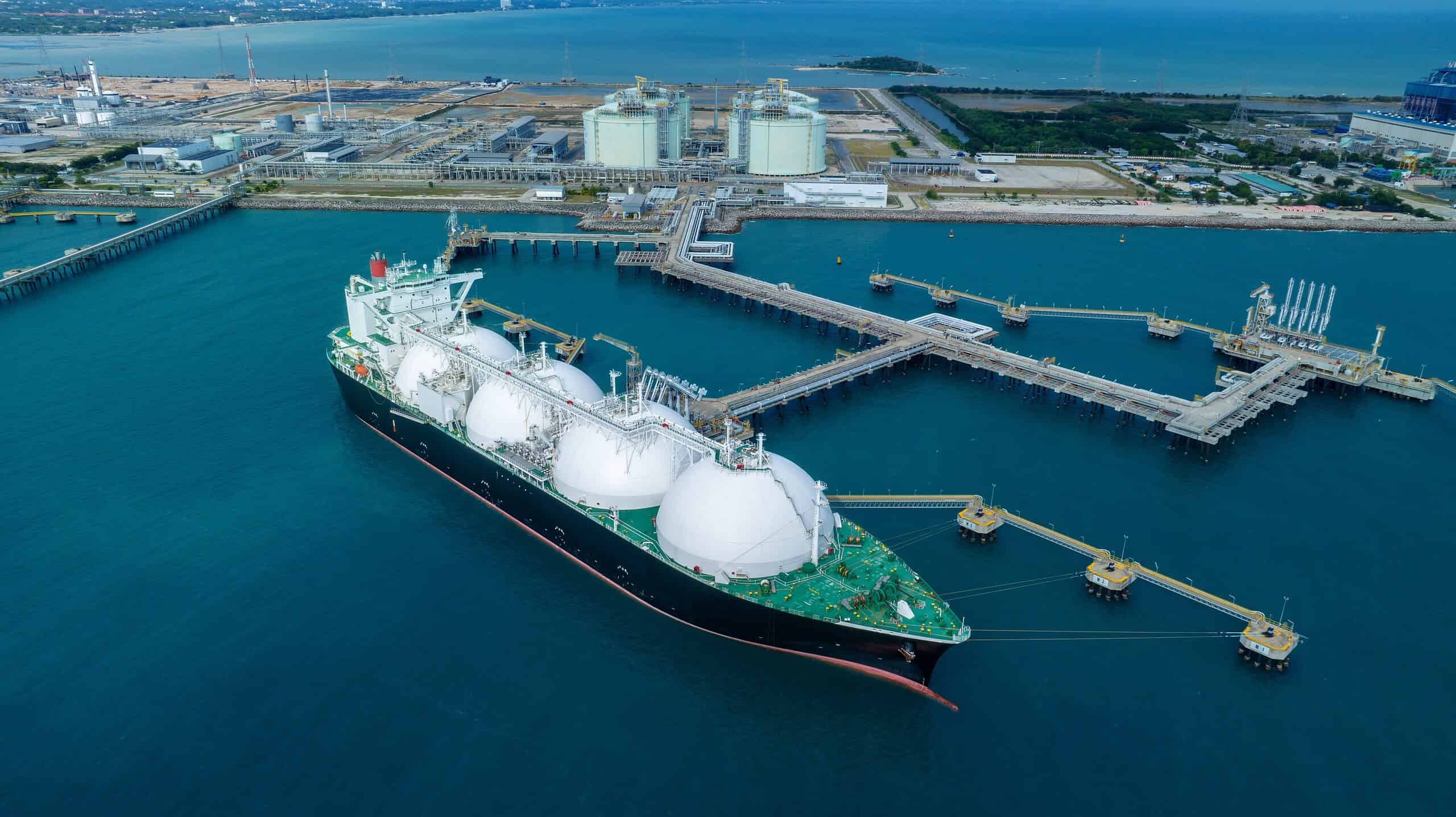
Qatar’s ambitious LNG expansion is set to add more than $30 billion annually to the country’s energy revenues. This increase is expected to grow the Qatar Investment Authority (QIA) from an estimated $524 billion in assets to over $800 billion by 2030.
Celebrating its 20th anniversary this year, the QIA is already the world’s eighth-largest sovereign wealth fund, with assets distributed globally and a workforce spread across Doha, New York, and Singapore. How will it deploy that much additional capital?
“In anything beyond LNG, for diversification purposes,” argues Diego Lopez, founder and managing director of Global SWF, a consultancy and data provider focused on sovereign wealth funds and public pension funds.
At home, the QIA is doubling down on strategic investments, backing giga infrastructure projects and its $1 billion Fund of Funds venture capital program, launched in 2024 to attract venture capital and businesses to Doha. The initiative aims to position Qatar as an alternative to the United Arab Emirates and Saudi Arabia and has already received over 100 applications, just six of which have been selected so far.
The QIA is projecting Qatar’s wealth and power abroad. For the past two decades, it focused mainly on purchasing prime real estate, luxury brands, and high-profile companies in the UK and Europe. While it is far from turning its back on the Old Continent, Qataris now seem to have two new areas of focus: the Americas and Asia.
In May, the fund announced $500 billion in investments in the US over the next decade, doubling its current exposure and taking in bigger tickets, with a strong focus on the race for AI data centers and healthcare.
In September, it invested $3 billion with New York-based Blue Owl Capital to seed a digital infrastructure platform. The QIA is looking to back “leading global firms that are addressing the world’s growing demand for data centers,” CEO Mohammed Saif Al-Sowaidi said then. A few weeks earlier, the QIA took part in a $1 billion funding round for PsiQuantum, a US-based quantum computing company.
Doha is also looking to deploy surplus capital eastward.
Asia, Qatar’s largest LNG export market, offers fast-growing economies, a key role in global supply chains, a large young population, and abundant tech talent. The QIA opened an office in Singapore in 2021 to facilitate investments across the region. Earlier this year, Qatar bought a 10% stake in China’s second largest mutual fund and pledged $10 billion in investments in India.
What’s Next
In the coming years, the QIA expects to boost its investments in Japan, Southeast Asia, Korea, and Australia as a means diversifying its portfolio while deepening ties with rising economies. Qataris are also active in Central Asia, in countries such as Azerbaijan, Kazakhstan, and Uzbekistan, where the QIA supports sectors including agriculture, energy, infrastructure, and transport.
That said, Qatar remains a tiny state with a growing need for resources needed to build a more diverse economy. With that in mind, the QIA has begun investing to secure resources, including rare earth elements, that are critical for digital infrastructure as well as to address climate change and energy transition. In September, the fund invested $500 million to acquire a 4% stake in Canada’s Ivanhoe Mines, which produces metals including zinc, copper, germanium, silver, platinum, palladium, nickel, rhodium and gold in South Africa and the Democratic Republic of Congo, and is looking to explore new sites in Angola, Kazakhstan, and Zambia.