


At least 10 people have died, and more than 100 have been injured, after Iran launched barrages of missile and drone attacks against every member of the GCC in retaliation for US-Israeli strikes on Tehran.
Until February 28, few in the Gulf Cooperation Council (GCC) could have imagined missiles flying overhead, let alone crashing into the glass facades of five-star hotels. For decades, cities such as Dubai, Abu Dhabi, and Doha had been marketed as luxurious, safe havens—business and financial hubs seemingly shielded from the harshness of the desert and regional geopolitical turbulence, thanks to vast petrodollar wealth.
Recent attacks have punctured that sense of invulnerability.
The economic implications remain uncertain, but the US-Iran war marks a clear turning point. With much of the region still on high alert, business activity has begun to slow down and investors are reassessing risk. In January, the World Bank projected 4.4% growth for GCC countries this year. On March 2, however, JPMorgan Chase cut its non-oil growth forecast by 0.3 percentage points.
“Businesses shift quickly into contingency mode: staff safety, operational coverage, supply, and cash-flow discipline,” says Abdulaziz Al-Anjeri, Founder & CEO, Reconnaissance Research in Kuwait. “You also see immediate attention to the ‘price of risk’—airspace and logistics friction quickly translate into higher war-risk premiums, insurance costs, and delayed decisions. The strongest response is quiet competence—keeping the lights on without drama”
Even in the most remote areas of the GCC feel the effects of the crisis. In Khasab, the last Oman town on the coast of the Strait of Hormuz and a popular tourist destination for outdoor activities, Ali Al Shuaili runs a diving center.
“Everything is normal, but the sea is closed so we can’t go fishing or diving and, of course, all tourist bookings have been cancelled,” he tells Global Finance via WhatsApp. “Life-wise, it looks normal, but everybody is worried about the business. We pray for everything to settle down quickly.”
For now, banks in the region are absorbing the shock, supported by strong liquidity and capital buffers.
“We are not seeing any direct impact on banking operations in the UAE or the wider GCC,” says Bader Al Sarraf, Research Analyst at Standard Chartered’s UAE office. “Financial institutions across the region continue to operate normally, supported by strong infrastructure, resilient financial systems, and established operational resilience frameworks that enable banks to continue facilitating transactions and supporting business activity even during periods of heightened uncertainty.”
Banks and major institutions focus first on continuity— keeping core functions stable: payments, customer access, liquidity management, and clear reassurance, adds An-Anjeri. “In moments like this, finance is not only about balance sheets; it’s also about maintaining confidence, because uncertainty can do damage even without physical disruption.”
Across the region, the prevailing approach among institutions, corporates, and investors is to monitor developments rather than take immediate action, according to Al-Sarraf.
“Given that the situation remains fluid and still in its early stages, many are in a ‘digest and risk assessment’ phase before making strategic decisions,” he says. “This reflects a period of careful observation as developments continue to unfold and as businesses and investors evaluate the potential implications across sectors and economic activity.”
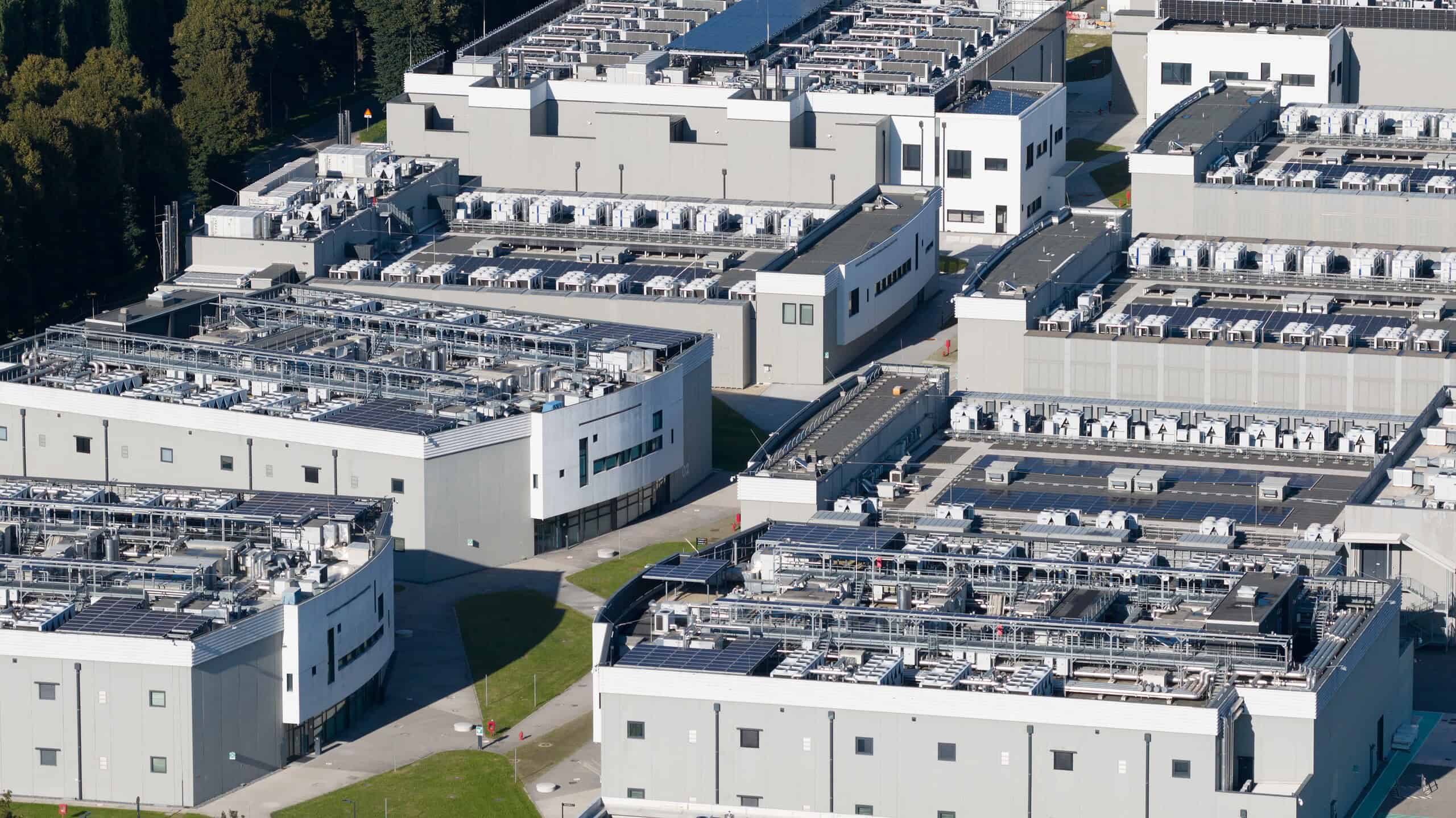
One immediate concern is digital infrastructure. The Gulf has spent years positioning itself as a regional hub for data centers, but the conflict has exposed its vulnerability. Amazon Web Services reported that drones attacked three of its facilities in the UAE and Bahrain, disrupting cloud and IT services across the region. In the UAE, several bank customers briefly lost access to their online accounts. Such incidents could prompt US tech giants, including Amazon, Microsoft, Google, and Oracle, all of which have invested heavily in Gulf data infrastructure, to reassess their exposure.
Weaknesses Exposed
The war has highlighted structural weaknesses in the region’s economic model. Despite years of diversification efforts, most GCC economies still rely heavily on hydrocarbon revenues.
QatarEnergy, the world’s largest liquified natural gas (LNG) producer, halted production afte drones hit two of its facilities. Oil exports are also affected. Saudi Arabia partially shut the Ras Tanura refinery, one of the largest in the Middle East, with a capacity of 550,000 barrels a day.
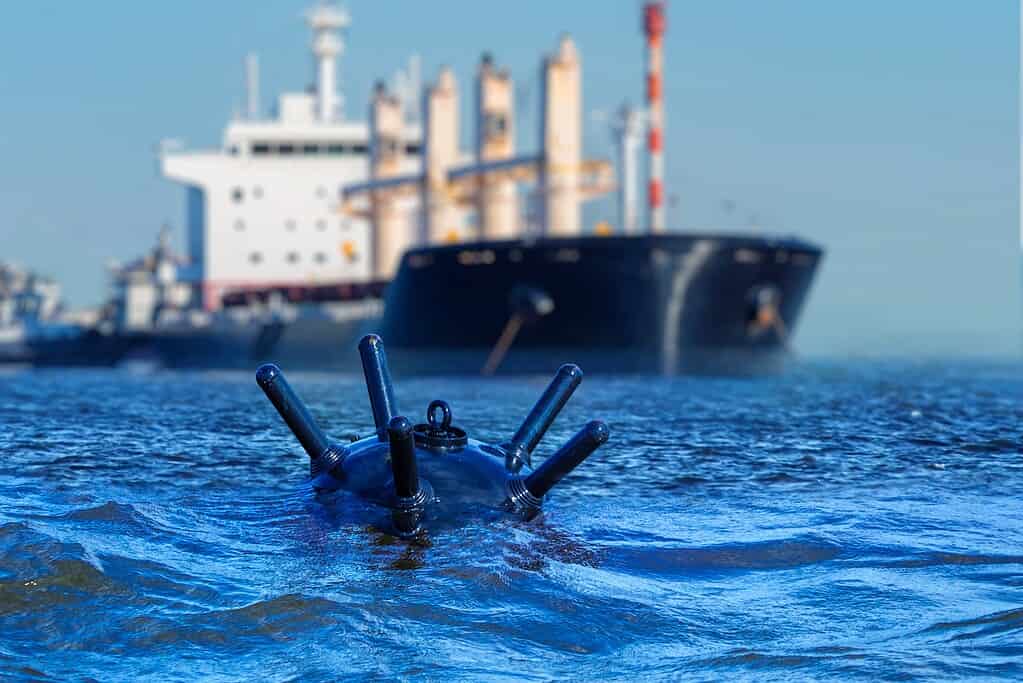
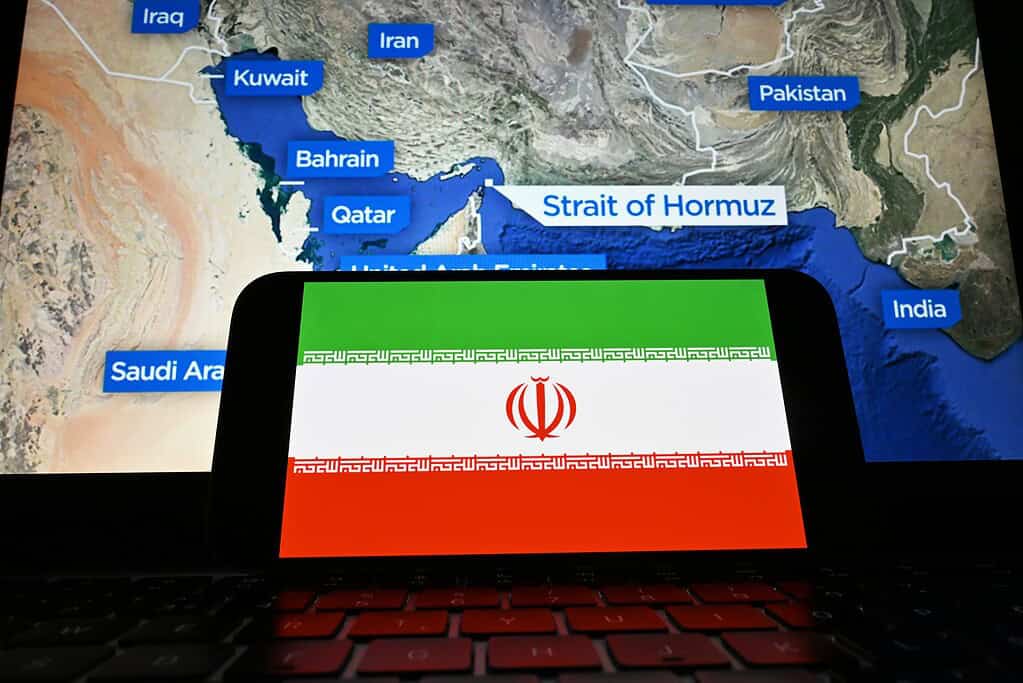
Now, all eyes are on the Strait of Hormuz, a strategic chokepoint through which roughly a fifth of the world’s hydrocarbon supply transits. For GCC economies, the disruption translates into billions of dollars in daily revenue at risk.
“If the war drags on, you can get a mixed picture: energy revenues may benefit from risk pricing, while the broader economy pays through confidence, logistics, insurance, and financing costs,” says Reconnaissance Research’s An-Anjeri. “Non-oil sectors tend to feel prolonged uncertainty first because they’re confidence-sensitive—services, travel, retail, private investment. GCC states have buffers, but buffers don’t replace stability.”
Another major concern is food security: The region relies overwhelmingly on imports to feed its population, with roughly 70% of food shipments arriving through the Strait of Hormuz. The system has faced stress tests before—during the Covid-19 pandemic, for instance, and in 2017 when several GCC countries, including Saudi Arabia and the UAE, imposed an embargo on Qatar. At the time, Doha imported around 90% of its food. Since then, the country has invested heavily in domestic production and is now self-sufficient in milk, but it still depends on imports for much of the rest.
Water security may be an even more critical vulnerability. Nearly 90% of drinking water in GCC countries comes from desalination plants. Any disruption, whether from direct damage or oil spills affecting coastal facilities, could quickly trigger a humanitarian crisis within days.
For now, most governments and businesses are in a wait-and-see mode. But as the conflict widens, including in Lebanon and, to a lesser extent, towards Cyprus and Turkey… longer-term scenarios are beginning to enter boardroom discussions.
“In the short run, if the war ends quickly, I don’t think there will be any significant impact on the banks, but if the conflict extends over weeks and if the flow of oil and gas through the Strait of Hormuz continues to be even temporarily interrupted, eventually this will definitely affect GCC economies, government revenues, and trade flows,” notes Beirut-based Ali Awdeh, head of research at the Union of Arab banks.
For Al-Anjeri, the situation evolves, a number of lessons are already emerging: “For institutions, the takeaway is to treat stress-testing as real: cyber scenarios, telecom dependencies, liquidity access, supply-chain choke points, and customer-communication playbooks that are ready before the crisis—not written during it,” he says. “Hardware matters, but crisis governance matters too: credible communication, continuity discipline, and de-escalation channels so one incident doesn’t trigger a chain reaction.”