


Six governments object as Ghana ties gold royalties directly to soaring bullion prices globally.
When six governments—among them the US, China, the UK, Canada, and Australia—formally protest a single country’s tax policy, it’s worth asking what they’re so worried about.
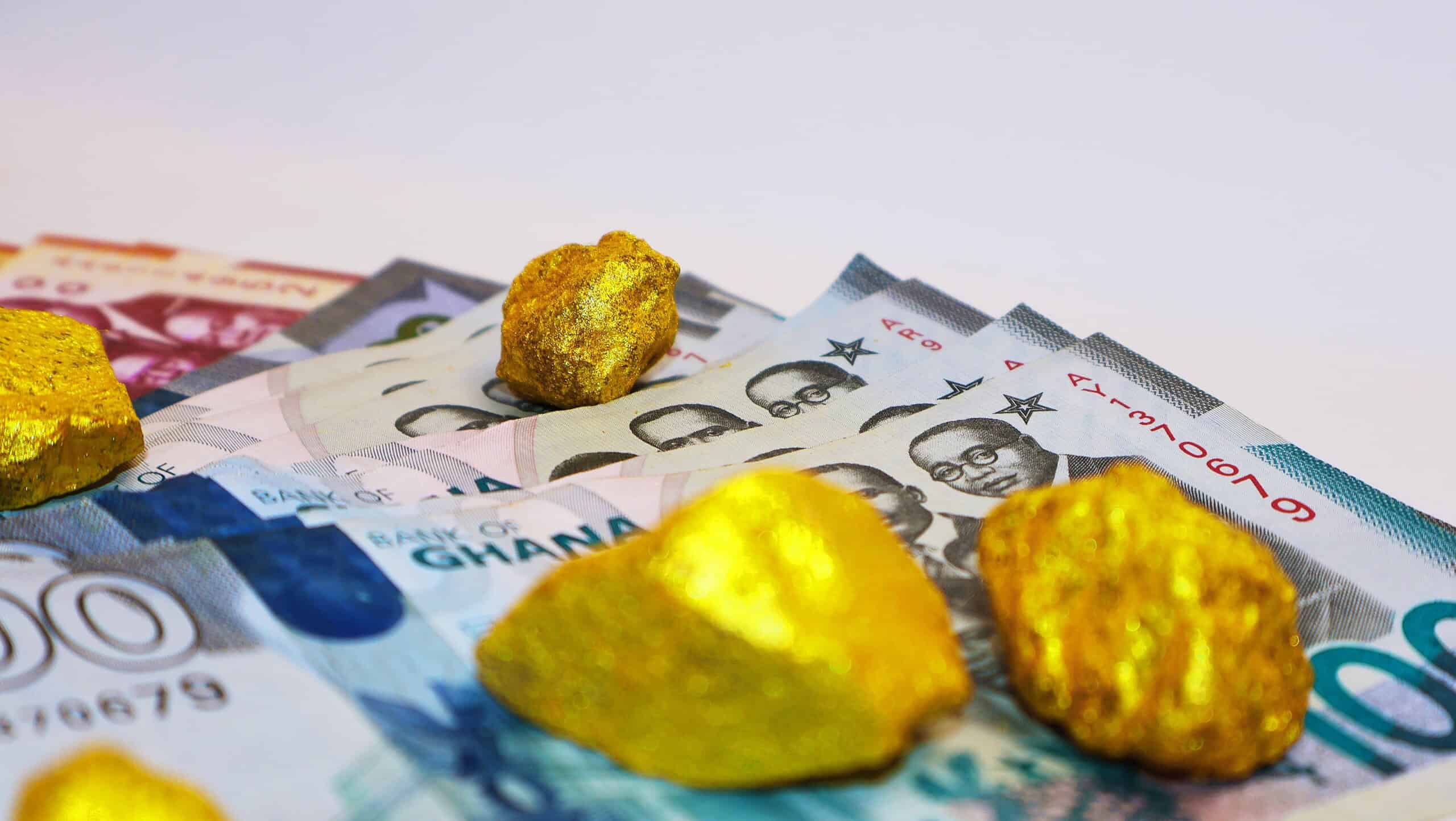
The answer is Ghana’s new sliding-scale gold royalty regime, which Accra implemented late last month, tying the rate paid by large-scale miners on every ounce they produce to the gold price and topping off at 12% when bullion exceeds $4,500 per ounce. With gold well above $5,000 at the time the new system took effect, major producers immediately fell into the most expensive tier.
Gold is central to Ghana’s economy in a way that few commodities are anywhere. As Africa’s largest gold producer and the world’s sixth-largest, the country saw output hit a record 6 million ounces last year. The sector accounts for roughly 7% of GDP and approximately two-thirds of export earnings. The largest producers—Newmont, Gold Fields, and AngloGold Ashanti—all posted record or near-record profits in 2025.
At current prices, Accra’s argument is straightforward: even at 12%, the miners are doing fine.
The diplomatic protests were brushed aside. But a letter from the Association of China-Ghana Mining, copied to Beijing’s ambassador, warned the measure could threaten the viability of several Chinese-owned operations. The Ghana Chamber of Mines proposed a narrower 4%-to-8% band as a compromise; floated in the weeks before the new regime took effect, Accra turned it down. To soften the blow, Parliament simultaneously cut a separate levy on producers.
An additional wrinkle complicates Accra’s confident stance. Ghana’s sprawling artisanal and small-scale mining sector—known locally as galamsey, largely informal and employing an estimated 1.5 million people—already operates outside the royalty framework. At current high gold prices, illegal mining is hyper-profitable, drawing in more operators and making enforcement more difficult. Higher formal royalties do nothing to address that dynamic and may quietly accelerate it. Several other African governments are watching the experiment closely.
If Ghana demonstrates that investors will absorb a higher fiscal take without pulling capital, the template will travel. The risk, of course, is that it doesn’t.