


A river will run through Mali as a 560-mile maritime artery transforms the Senegal River into a high‑capacity commercial highway.
Landlocked no more?
A prisoner of its own geography, Mali has been tethered to the volatile and expensive road networks of its coastal neighbors since it lost access to the Atlantic in the late 19th‑century colonial carve‑ups. But this might be about to change.
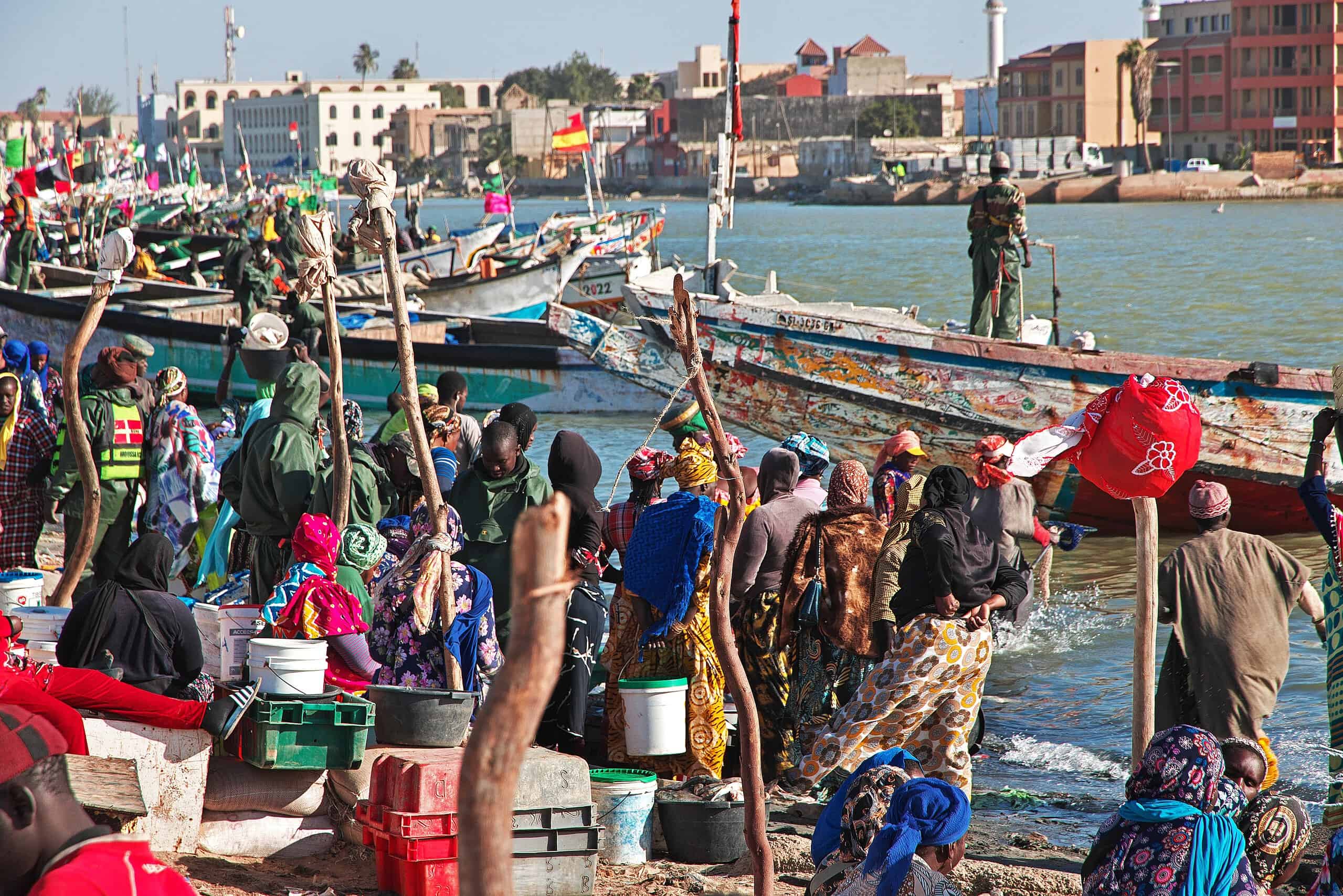
This month marked the official launch of the Saint‑Louis–Ambidédi corridor. The 560-mile maritime artery will transform the Senegal River into a high‑capacity commercial highway linking the Atlantic port city of Saint‑Louis, in Senegal, to the Malian town of Ambidédi in the western Kayes region.
Managed by the Organization for the Development of the Senegal River (OMVS) and its operational arm, SOGENAV, the initiative represents a rare moment of multilateral cooperation between Mali, Senegal, Mauritania, and Guinea. With a price tag of $800 million, the waterway—if executed effectively—could fundamentally reshape West Africa’s trade architecture, reducing structural dependencies and deepening regional ties.
Mali stands to gain the most from the project.
By easing the movement of goods and lowering trade barriers, the corridor could significantly enhance the country’s competitiveness in global markets. Moving bulk commodities such as cotton, agricultural products, and gold—which alone account for roughly 70% of all Malian exports—via the new maritime navigation route is expected to cost half as much, or less, than it does by land. Cheaper imports of fuel, fertilizers, and essential consumer goods, meanwhile, could ease price pressures on ordinary Malians.
These prospects are shadowed by Mali’s political fragility and growing diplomatic isolation, however. After two coups in four years, the country is now governed by a military junta that has withdrawn from the Economic Community of West African States. Islamist armed groups continue to contest large swaths of territory, elections have been postponed indefinitely, and corruption remains deeply entrenched.
Technical hurdles also loom. Maintaining a year‑round navigable channel will require managing seasonal water‑level fluctuations and the cost of continuous dredging. Those operational demands presuppose sustained funding and institutional coordination across four governments for decades to come. Whether the corridor will become a truly transformative trade artery or only another unrealized vision, will depend less on engineering than on political goodwill.