

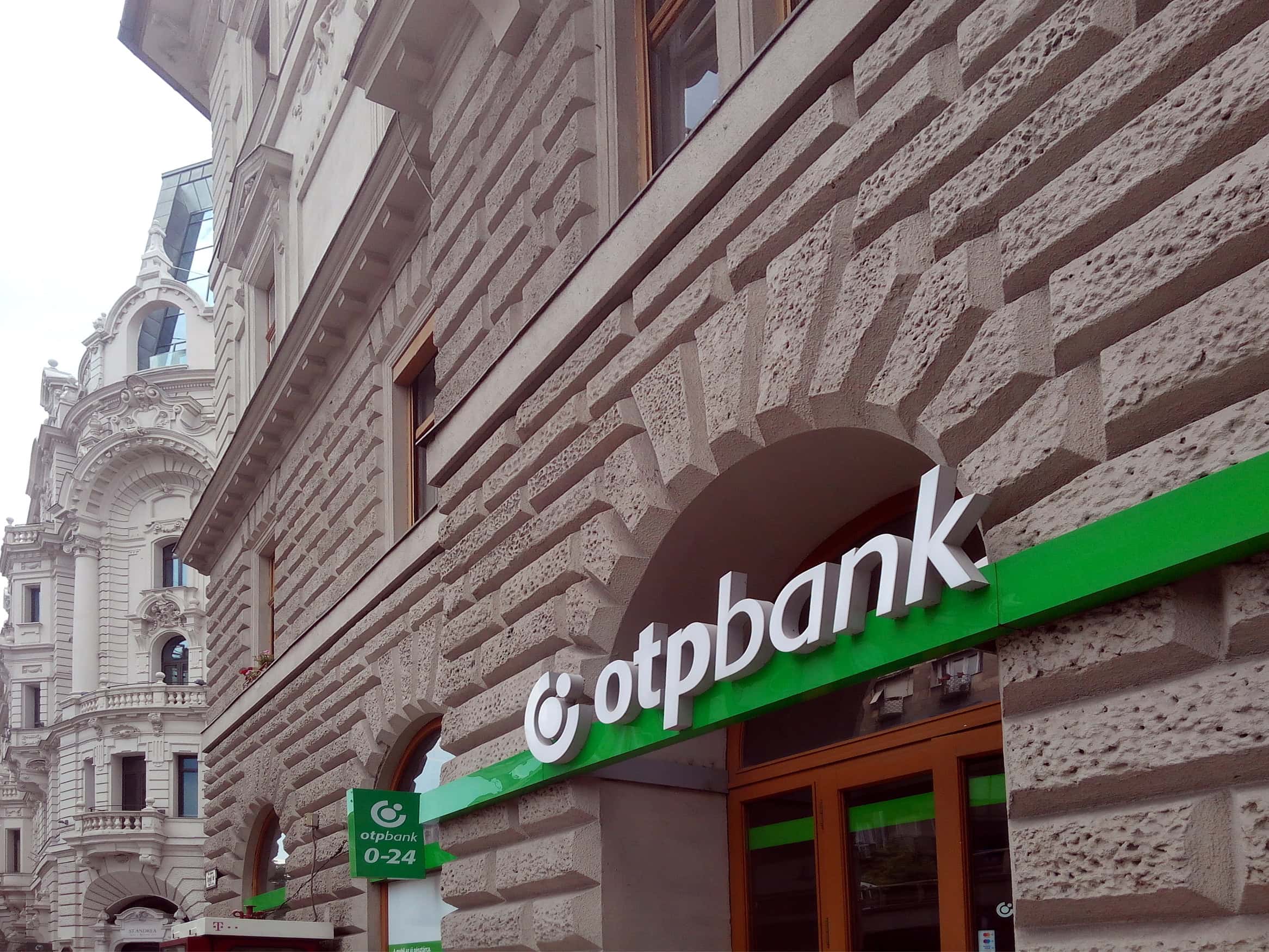


CEE banks navigated war, taxes, and lower rates through consolidation, digital innovation and aggressive regional expansion strategies.
In most countries across Central and Eastern Europe (CEE), fortunes for banks mainly improved in 2025, despite the uncertainties of the continuing war in Ukraine, a shaky economic recovery in the eurozone, and generally falling interest rates impacting overall earnings.
A concern for many banks, including those in Hungary and Romania, has been state intervention, most notably governments increasing bank taxes to boost revenue. A study by Fitch Ratings found that Hungarian government plans to increase revenue from bank taxes could equate to about 8% of the sector’s 2024 operating revenue. Given the general unpredictability, the region has seen a rush toward size, with bigger banks better positioned to survive.
“Recent M&A activity confirms the appeal of the region for international banking groups with sizeable presence. We think the consolidation will continue through opportunistic transactions or because of changes in the wider European banking scene,” says Artur Szeski, senior director at Fitch Ratings.
Other evident trends in 2025 included the continued strength of Western European-based banks, from Austria, Belgium, Germany, and Italy, within the CEE region—those banks control some 25%-30% of CEE’s bank assets—and the continuing trend toward dominance by one or two large banks in the many smaller CEE countries. The banks generally showed resilience; keen engagement with the broader financial world; and a strong tendency toward innovation and digitalization, with many launching new apps.
So how does the future look? Fitch Ratings says it “expects CEE banking sectors to continue delivering strong performance in 2026 despite challenges from lower interest rates.” That assumes these happen, given the uncertainties generated by the ongoing war in the Gulf (the easing cycles evident in many economies have been put on hold). Szeski also anticipates a new wave of government interventions and only tentative recovery in demand for corporate credit.
What seems clear is that 2026 will be even more unpredictable for CEE than 2025, with the uncertain economic outlook impacting both retail and corporate business. However, the best banks—including our winners here—should be well positioned to dodge the pitfalls and find new opportunities.

Central & Eastern Europe
OTP Bank
OTP Bank is our regional winner for the fifth year in a row in CEE—an area comprising 24 countries including Turkey—beating strong competition from other pan-regional banks including the Erste Group, UniCredit, and Raiffeisen Bank International (RBI). OTP has come a long way from its establishment as Communist Hungary’s National Savings Bank back in 1949. Today, OTP is a genuine regional star operating in 11 countries and offering a full and comprehensive range of banking and insurance services.
Last year saw OTP consolidate its strong financials, with total assets reaching €118 billion ($138.6 billion), net profits up 3% to nearly €2.9 billion, and return on equity (ROE) at 21.6%. With over 1,206 branches, OTP Bank has just under one third of Hungary’s banking market which accounts for 36% of OTP Group assets.
The OTP Group scores well in sustainable finance and social goals, both part of its mission statement, and in other key areas. Already active in Central Asia—having acquired Ipoteka Bank in June 2023 in Uzbekistan, arguably the region’s most diversified economy—OTP is now targeting that region’s largest economy, Kazakhstan. Hungary and Kazakhstan successfully concluded negotiations over a new $100 million joint investment fund in the Astana Financial Centre in October 2025; and in February 2026, CEO Péter Csányi said OTP was looking to acquire a Kazakh bank.
Albania & Kosovo
Banka Kombetare Tregtare
In Albania and Kosovo, market leaders Banka Kombetare Tregtare Albania and Banka Kombetare Tregtare Kosoveretained their respective leading positions as Nos. 1 and 2 in each domestic market, demonstrating the benefits of the group’s joined-up approach. In Albania the bank has an almost 25% market share, while in Kosovo strong growth has enabled total assets to increase to nearly €1.6 billion. Last year the bank celebrated its centenary, coinciding with that of Albania itself.
Armenia
Ameriabank
Ameriabank, Armenia’s second-largest bank—slightly smaller in assets than Ardshinbank—continues to benefit from its April 2024 takeover by Bank of Georgia (BOG). With solid financials, Ameriabank offers comprehensive services and innovation and has enjoyed an uptick in lending.
Azerbaijan
ABB
Formerly known as the International Bank of Azerbaijan, ABB is the country’s largest bank, controlling some 25% of local banking market assets, comfortably ahead of rivals Kapital Bank and Pasha Bank. A joint stock company with shares 92% owned by the state, it has enjoyed significant growth with loans increasing from AZN 1.9 billion in 2019 to AZN 6.9 billion in 2025, some 23% of the national total. ABB is focused on both individual and corporate customers and its 2026–2028 strategy will see it strengthen its market leading position via targeted growth, elevating the overall customer experience and expanding into new regions and markets. It is increasingly technology focused, applying AI, Data, and next-generation technologies across its product range and its processes.
Belarus
Priorbank
Belarus’ largest private bank, Priorbank continued to dominate the sector under the ownership of Emirati group Soven 1 Holding, which bought its stake from RBI in September 2024 for €230 million. With RBI’s decision to withdraw from Belarus (alongside Russia), RBI suffered a loss of around €300 million. Priorbank has some €2 billion in deposits.
Bosnia & Herzegovina
UniCredit Bank
Our winner in Bosnia and Herzegovina—a country dominated by Italian and Austrian banks—is UniCredit Bank, which remained the undisputed market leader last year, recording a 14.4% increase in local net profit to 185 million convertible marks ($111.1 million), while total assets grew to 8 billion marks. The bank is recognized for its strong ESG credentials and for being the best bank for SMEs. Last year saw the introduction of the UniCredit Invest BH platform and the country’s first fully online cash loan facility.
Bulgaria
UniCredit Bulbank
Farther east in Bulgaria, UniCredit Bulbank scored another win for the Italian financial group, the third-largest bank in the Balkan country but a leader in innovation and digitalization. Unlike Bulbank’s competitors that have tended to grow via mergers and takeovers, the bank has mostly grown organically, focusing on SMEs and corporates as well as retail customers. UniCredit Bulbank closed 2025 as the undisputed market leader in corporate banking (loans and deposits), the most active retail lender, and the most efficient bank in Bulgaria, with the lowest cost-to-income ratio.
Croatia
Zagrebacka banka
Zagrebacka banka, aka Zaba, and part of the UniCredit Group, is our clear winner in Croatia, showing good financials and establishing itself as clear market leader—over 25%—in this country of about 3.8 million people. In a nation where digital financial engagement is high—some 80% of the population—Zaba has introduced multiple innovations in its m‑zaba mobile app, such as real‑time payment notifications, streamlined digital credit‑card applications, and full digital migration of overdrafts so clients no longer need to visit branches.
The bank has benefited from a €100 million risk-sharing facility extended to it by the European Bank for Reconstruction and Development (EBRD) in early 2026, which will support loans to corporates and to small and midsize enterprises (SMEs), with the EBRD guaranteeing a proportion of each loan. Over 2025, Zaba’s net assets grew 9.3% to reach €28.4 billion, with net profits up some 2.9% to €572 million.
Czech Republic
Ceska sporitelna
Ceska sporitelna, part of the Erste Group, is market leader in most categories, with almost 20% of bank assets and 4.8 million clients in the 10.5 million domestic market. In a crowded financial sector, Ceska sporitelna is recognized as our winner in the Czech Republic for being well ahead in such categories as private banking, SME banking, and digital solutions. Innovation is a strength, and the bank is seen as leading its competitors in technology. It boasts one of the most modern banking apps in the Czech market, streamlined and easy to use, with features including cash‑back and smart budgeting tools. The bank reported a 6.1% increase in net profit to 27.8 billion Czech koruny (over $1.3 billion), over 2025.
Estonia
Luminor Bank
Estonia’s Luminor Bank has returned as our winner in this small but dynamic economy, Luminor having reaffirmed its ambitions to become one of the top three banks across the three Baltic countries by the end of 2027.
The bank is pursuing a three-pronged strategy of growing its customer base, improving the efficiency of IT systems, and digitalizing its operating model, as well as remaining compliant with changing regulations in the three economies.
For the full year 2025, the bank posted net profits of €157.7 million, a drop from 2024’s €202 million, reflecting the eurozone’s lower interest rates.
Georgia
BOG
In Georgia, BOG continues to ride the crest of a fast-growing economy. The bank’s position has been reinforced by the Ameriabank takeover. This has given synergies to the parent company, the FTSE 250-listed Lion Finance Group, which has enjoyed double-digit lending growth. With TBC Bank the only real domestic competition, BOG controls over 40% of domestic lending and deposits. In the last quarter of 2025, Lion posted pretax profits of 619.2 million Georgian lari ($230.1 million), up almost 23% YoY, bringing full year profits to nearly 2.2 billion lari, a 21% increase.
Hungary
OTP Bank
Hungary’s OTP Bank performed better than its competitors amid a tough operating environment—including a moribund domestic economy, a controversial bank tax, and stiff competition. OTP maintained its market-leading position, providing universal financial services to both retail and corporate clients through the mother company and local affiliates such as OTP Mortgage Bank, OTP Building Society, Merkantil Bank (leasing), OTP Fund Management, and OTP Real Estate.
The bank has taken steps to improve its operational capacity, in 2025 opting to formally separate the roles of chairman and CEO to enhance managerial focus, strengthen executive decision-making, and allow faster reactions to regulatory and market changes.
New CEO Péter Csányi has identified key areas to improve performance, including a stronger focus on customer centricity and boosting the bank’s expansion into such markets as housing, health care, and e-commerce, as well as exploiting AI opportunities and online channels. OTP has also prioritized future-proofing through regional expansion: Already active in 11 CEE countries, it is eying opportunities in others.
Latvia
SEB banka
Next door, Latvia’s SEB banka (Skandinaviska Enskilda Banken), with a market share of just under 20% of the population, against market-leader Swedbank with around 35%, is our winner in this small country of under 2 million people. The bank has high market ratings and is a major innovator in digital channels, with solid mobile and internet banking and good tools for investors and corporate clients.
SEB is pursuing a Baltic-wide strategy. The aim is to unify as one legal entity by early 2027 and then expand activities across the three Baltic states, which have a combined population of around 6 million. The reorganization, effected via two cross-border mergers, aims to enhance customer growth in the region and streamline corporate governance while maintaining uninterrupted banking operations in each of the three countries. The consolidated legal entity will be domiciled in Estonia, with branches in Latvia and Lithuania.
Lithuania
Swedbank
Our winner in Lithuania, Swedbank saw its net profits down 1% YoY) over 2025—largely reflecting lower interest rates—but consolidated its position as the second-largest bank by assets (32% of the total), with the largest customer base after Revolut Bank.
Moldova
MAIB
In Moldova, market leader MAIB again wins our award. With Moldova’s economy under constant threat from Russia, the bank has focused on helping SMEs as well as individual customers. Last October the bank secured a €10 million loan from the EBRD to support the sector’s export competitiveness, key with Moldova now an EU-candidate country.
Montenegro
CKB banka
Our Montenegro winner, CKB banka, part of the OTP Group, is the undisputed market leader in this tiny Balkan nation of around 627,000 and has pressed ahead with digitalization and innovation. In terms of assets, CKB reached more than €2.1 billion and a market share of almost 28%.
North Macedonia
Komercijalna banka
In North Macedonia, Komercijalna banka is likewise well ahead of its competitors with a market share of well over 30% in this country of 1.8 million inhabitants. During 2025, Komercijalna banka was approved for membership in the Single Euro Payments Area (SEPA) scheme and officially started providing customers with the option to use SEPA FX payments in euros from October 2025.
Poland
PKO Polski
Poland’s tough and competitive banking market saw its largest bank, PKO Polski, with a market share of 15.7% while still 30% state owned, edge out its many worthy rivals. The bank, like others in Poland, has benefited from being based in Europe’s most-dynamic economy. Last year, bank assets reached over 500 billion Polish zloty (more than $139 billion), with net profits after adjustments reaching 8 billion zloty. Corporate finance income was up almost 9%, and retail lending grew at a double-digit rate. With ROE at 19.8%, PKO Polski boasts a solid capital base with Tier 1 at nearly 16.3%.
Romania
Raiffeisen Bank
It was a big year for Raiffeisen Bank in Romania, and the bank is yet again our national winner. Last year saw total assets reach 81.5 billion Romanian lei ($18.8 billion) for the first nine months of 2025, 10% up on the same period in 2024, Customer deposits were up 12% to 63.8 billion lei, spread across the bank’s 350 branches and its growing digital footprint. The bank also set up a special SME division aimed at servicing this key element of Romania’s economy. In March 2026, the bank emerged as winner in the race to buy Garanti BBVA Group Romania, costing Raiffeisen €591 million and making the newly merged group Romania’s third-largest bank.
Serbia
Banca Intesa Beograd
In Serbia, among strong competition from the likes of OTP, Raiffeisen Group, and UniCredit, Banca Intesa Beograd is our winner. The biggest player in Serbia, Banca Intesa is part of international banking group Intesa Sanpaolo, strategically present in 36 countries. The bank is strongly committed to digitalization. Among the bank’s innovations last year, it became the first bank in Serbia to introduce minibonds as a new means of financing SMEs, an important part of the fast-growing economy.
Slovakia
Slovenska sporitelna
In neighboring Slovakia, Slovenska sporitelna is performing very well in a competitive, foreign-bank dominant financial sector, being the largest bank in assets and having a 31% market share. It has over 2 million clients—including retail clients supported by Slovakia’s largest retail distribution network—and is strongly focused on technology and innovation, with its George banking app, the country’s most popular, used by over half the bank’s customers.
Slovenia
NLB (Nova Ljubljanska Banka)
NLB (Nova Ljubljanska Banka) retained its position as market leader in Slovenia, a prosperous nation with a population of just over 2 million. The bank’s customer base stands at 737,000 people, supported by 69 branches and extensive digital reach: some 60% of that customer base, with a target of 80% by 2030. Total assets in 2025 stood at €19 billion, pretax profits at €427 million, and ROE a respectable 15.6%. The bank has ambitious expansion plans, aiming by 2030 to more than double its balance sheet to €50 billion and double its profits to over €1 billion, with an expansion of business across Southeastern Europe as one of the bank’s main priorities.
Turkey
Garanti BBVA
Garanti BBVA wins our best Turkish bank award. The fifth-largest bank by assets, with 2.6 trillion Turkish lira ($60.5 billion), it has the largest customer base—some 30 million—and offers comprehensive, well-integrated, and increasingly digitalized financial services. The bank has proven itself to be highly innovative, last November launching Turkey’s first-ever biodiversity blue bond. Early in 2026, the bank teamed up with Mastercard to launch a new AI-powered digital shopping assistant. For 2025, the bank reports net income of nearly 111.3 billion lira. Total assets reached more than 4.5 trillion lira (with customer deposits more than 3.1 trillion lira, a 50% YoY increase over 2024). Lending stood at nearly 3.5 trillion lira.
Ukraine
JSC PrivatBank
Ukraine’s huge, state-owned JSC PrivatBank continues to dominate the financial sector with a 23% market share focused on mass-retail and corporate business. The bank has over 19 million customers and 1,200 branches. Profits after tax in 2025 were 19% up at 29.1 billion Ukrainian hryvni ($687.4 million).