
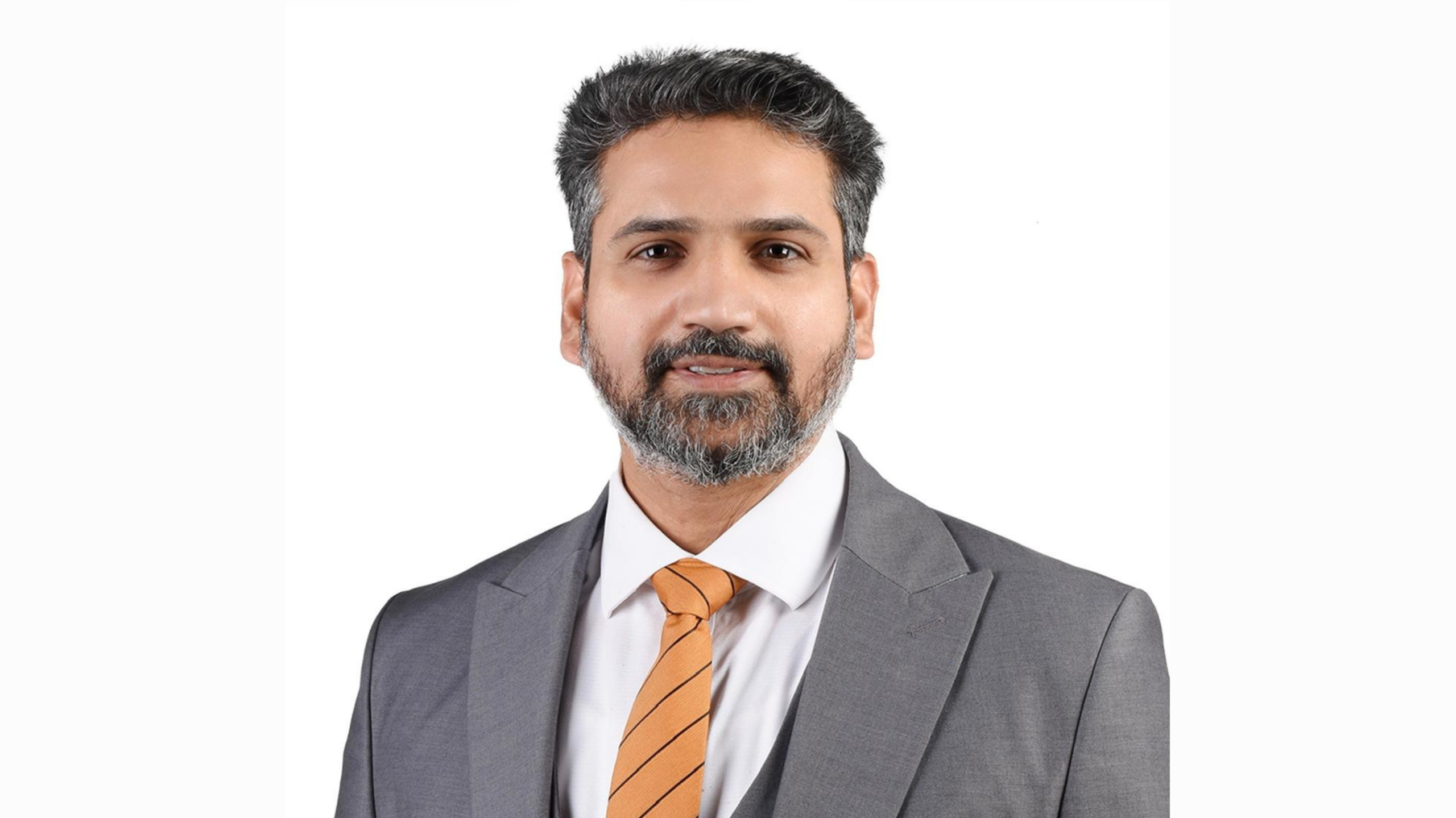


Rajendra Prasad, Al Mulla Group’s head of group treasury, discusses the phases of the Kuwaiti conglomerate's journey toward treasury transformation.
Global Finance: Can you describe the initial state of the Al Mulla Group treasury and the primary challenges that necessitated this large-scale transformation?
Rajendra Prasad: I joined Al Mulla Group in 2022 and our first mandate from leadership was to modernize the treasury management system, we needed a new system given expanding businesses & evolving multiple instances of ERPs over time across conglomerate of 40+ subsidiaries. Managing over 300 bank accounts without real-time visibility was limiting our ability to scale. To address this, leadership instructed us to seamlessly integrate our disparate ERP systems—including SAP, Oracle, and CDK—into a sophisticated, unified solution that provides a single source of truth for global cash visibility.
GF: Prior to modernization how did you address underlying process issues?
Prasad: DAS and FOT [Dedicated Account Setup and Flow of Transaction] was a mini-project born from a readiness assessment. We recognized that a successful TMS implementation required us to first strengthen and standardize our data and structures, creating a solid foundation for the transformation. We proposed a structured banking model where we created dedicated accounts for group treasury. Leadership approved the postponement of the main project by couple of months, which ensured that the data and processes were standardized before they hit the new system. It was about moving away from ‘glorified ledger booking’ toward a cohesive, automated ecosystem where bank identifiers automatically assigned transactions to the correct GL schema.
GF: Why did you choose FIS Integrity?
Prasad: We evaluated several top-tier vendors, but ultimately chose FIS. Their ecosystem offered the flexibility to bridge gaps with custom requests while providing a robust SaaS-based solution. The breakthrough was moving to an API-first approach. We had to educate various business units and ourselves on what an API was and how it would facilitate real-time communication. For example, we automated FX deals through a platform where RFQs are sent via API directly from our forecasting. This eliminated ‘fat-finger’ errors and ensured we always secured the best market rates through competition. We also implemented a harmonious system for Purpose of Payment (POP) codes within FIS, allowing us to update compliance requirements centrally without needing complex ERP reconfigurations.
GF: A transformation of this magnitude involves significant cultural and organizational change. How did you manage stakeholders and governance across the group?
Prasad: Success in treasury transformation is 100% about getting people and processes on board. We established a high-level steering committee headed by the Chief Internal Auditor to ensure compliance and cross-functional representation, including IT and Financial Control. To ensure change management smoothly —especially regarding a paradigm shift toward automated accounting entries—we prioritized transparency. We created a ‘Contributor Dashboard’ and recognized best contributors to milestones through performer of the quarter’ program. We have got top-down support, which ensured that the project wasn’t just a ‘treasury project’ but a company-wide upgrade.
GF: Now that the foundational transformation is complete, what is the next frontier for the Al Mulla Treasury team?
Prasad: The next stage is moving from monthly forecasting to real-time, predictive AI-driven forecasting. We are currently populating cash flow codes within our payment files to build a deep data range. Once we have sufficient historical data, we will utilize FIS’s cash predictor modules. These AI codes will analyse our forecasting versus actuals. Our goal is to continue moving ahead of the curve, utilizing technology not just for reporting, but as a strategic tool to influence business decisions and optimize our cost of funds.