


Having disintegrated into anarchy following the revolution ignited by the 2011 Arab Spring and fueled by Western powers’ backing, Libya has struggled to emerge from the abyss.
Today, the country remains politically polarized, with fragile stability. However, there are positive signs of socioeconomic renaissance with the Government of National Unity in Tripoli spearheading the rebuilding.
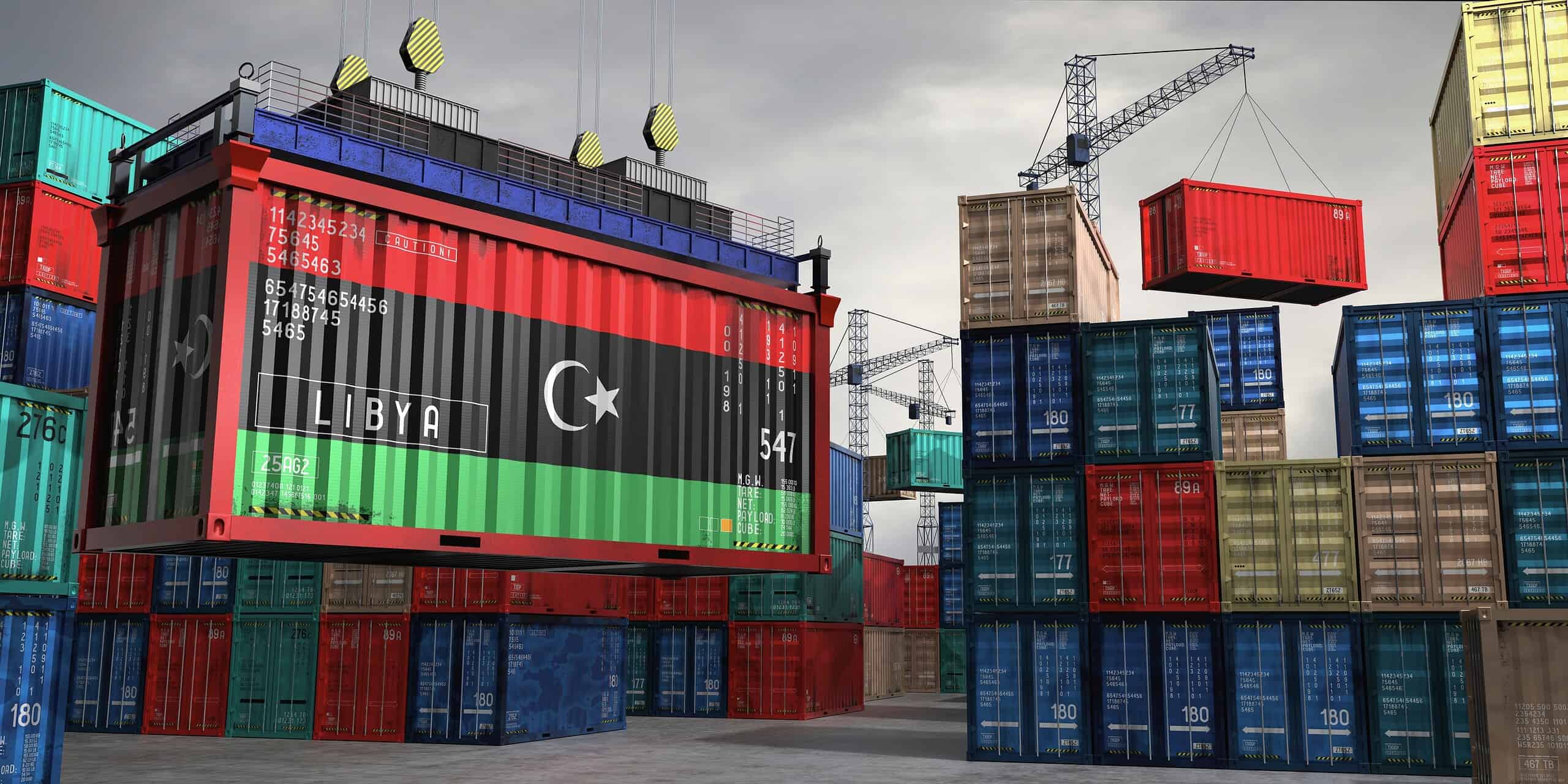
Libya’s $2.7 billion investment to expand its main container port, Misurata, is one major indication of the economic transformation efforts anchored on diversification to end oil and gas dependence.
The project is being implemented through a public private partnership (PPP) involving Doha-based international infrastructure investor Maha Capital Partners and Terminal Investment Limited, the port operator of shipping giant MSC. Together with the Misurata Free Zone Authority, the investors intend to expand the Misurata port, making it among the most operationally and environmentally efficient facilities in North Africa.
The goal is to expand the port’s capacity to 4 million twentyfoot equivalent units (TEU) annually, from the current 685,000 TEU, thus making Libya a logistics gateway connecting Europe, Africa, and the Middle East. Misurata currently handles about 60%-65% of Libya’s containerized trade.
The new facility should have a substantial economic impact. Government projections show the expanded Misurata port generating about $600 million annually, creating 8,400 direct jobs, and supporting nearly 60,000 indirect jobs.
The partnership “demonstrates our commitment to rebuilding strategic assets and to creating the conditions for sustainable growth, investment, and international confidence,” said Libyan Prime Minister Abdulhamid Aldabiba, at the signing ceremony.
The expansion of Misurata port is Libya’s first major PPP infrastructure investment outside the oil sector since 2011. It represents a major step toward economic diversification, with the government targeting renewable energy, agriculture, and tourism.
Though the World Bank estimates a stellar 13.3% GDP growth in 2025, Libya remains heavily reliant on hydrocarbons, making it vulnerable to global shocks.
Currently, oil and gas constitute 97% of exports, over 90% of fiscal revenue and 68% of GDP. In 2025, the country raked in $21.9 billion in revenues, a 15% increase from 2024, according to Lybia’s National Oil Corporation.