

Global Finance presents its yearly Central Banker Report Cards.
THE
GRADES
Calling the one-year period from July 2025 to July 2026 a busy time for central banking would be an enormous understatement. Amid swiftly changing monetary policy, trade disruptions, surging energy prices due to the conflict in Iran, and political pressure on the Federal Reserve’s independence, policymakers barely had a moment to catch their breath.
The first casualty of the busy period was the global easing cycle, which came to a halt far earlier than expected—before giving way to a broadening move back toward rate hikes. The Fed joined in Sept. 16 with a hike of 25 basis points.
Also gone with it is the era of free Japanese money, which for a decade funded the world’s largest carry trade, with investors borrowing cheap yen to buy assets elsewhere. This prompted a large liquidity squeeze felt across both equity and debt markets earlier in the cycle.
In emerging markets, the consequences of the global hawkish pivot likewise prompted a rapid repricing of expectations. A challenging mix of a stronger dollar and energy supply chain disruptions brought the inflation ghost back in force, prompting many to revise policy trajectories upward. This, in turn, weighed on growth. By April 2026, the International Monetary Fund cut its expectation for 2026 emerging markets growth to 3.9% from 4.2%, and raised projected inflation to 5.5% from 4.8%.
But perhaps just as noticeable as the swift change in course for global monetary policy was the growing dispersion among central banks. For once, policy rates are diverging based on internal economic factors than by moving as a bloc.
Switzerland, the Bank of England, and Argentina are great examples. While the Federal Reserve has raised its benchmark rate to a target range of 3.75% to 4% and the European Central Bank has hiked its key rate to 2.5%, the Swiss National Bank has kept its policy rate at 0%, maintaining negative real rates.
Central Bank Independence in Check
But even in the face of one of the most volatile years in central bank policy in recent history, discussion shifted from economic policy itself to the topic of independence.
Throughout the year, U.S. President Donald Trump maintained a sustained public campaign against then-Fed Chairman Jerome Powell, demanding faster and deeper rate cuts than the committee was willing to deliver. What began as rhetoric escalated into a proxy war over who ultimately controls U.S. monetary policy, openly putting central bank independence in check.
Trump nominated Kevin Warsh to succeed Powell, hoping he would pivot toward rate cuts. Warsh took office on May 22, but amid sustained inflationary pressures, market pricing has continued to move in the opposite direction, with Fed funds futures pointing to a rate hike as the most likely first decision by Warsh.
Warsh has been unambiguous about central bank independence. “We’re going to be an independent central bank at this moment, and you’re going to see no changes on that.”
Instead, he quickly reshaped the central bank’s communications, dropping the forward guidance that had anchored market expectations for more than a decade.
METHODOLOGY
Global Finance editors, with input from financial industry sources, grade the world’s leading central bankers from A to F, with A+ being the highest grade and F the lowest, based on objective and subjective metrics. These judgments are based on performance from July 1, 2025, to June 30, 2026. A governor must have held office for at least a year to receive a letter grade. Central bankers in countries in deep conflict are not graded because information is incomplete. An algorithm supports consistency of grading across geographies. The proprietary formula factors in monetary policy, financial system supervision, asset-purchase and bond-sale programs, forecasting and guidance, transparency, political independence, and success in meeting the national mandate (which differs by country).
A Grade
DENMARK

Christian Kettel Thomsen
A+
Denmark arguably delivered the strongest macroeconomic performance across Western Europe. The economy grew 6.2% year over year in the first quarter.
Unemployment stood at 2.7% in May, and consumer inflation remained at 1.9% in June, despite the ongoing energy price shock.
Regarding the rates policy, Governor Christian Kettel Thomsen kept the spread against the ECB unchanged, matching Lagarde’s 25-basis-point June hike within a day of the decision and raising the certificates of deposit and current account rates to 1.85% and the lending rate to 2%. The krone required no intervention at any point during the period.
Strong domestic momentum made the increase straightforward to absorb. With the real policy rate still marginally negative, tighter nominal rates did little to restrain activity. Thomsen’s consistent communication meant the decision was fully anticipated and passed through without disrupting lending or the currency.
PERU

Julio Velarde Flores
A+
The 74-year-old Julio Velarde was reappointed in July for a fifth consecutive five-year term at the request of then President-elect Keiko Fujimori. Velarde has showed a steady and secure hand in managing monetary policy over 20 years, and also built a strong institution that economists believe will continue to thrive after his departure.
“Despite Peru’s highly turbulent political environment in the past decade, the [Central Reserve Bank of Peru] under Julio Velarde has preserved its reputation for prudence and policy credibility. Velarde is expected to remain as governor for now, but attention is increasingly turning to succession planning,” says Beatriz Garcia-Nunes, economist at Deutsche Bank in New York.
“I think there are enough people below Velarde that, when he steps down, there won’t be much disruption. Velarde is highly credible with the markets and, at the same time, has remained very well respected politically within Peru,” said Natixis’ Berber.
“To that extent, he has stayed above the political infighting, and that will be the challenge for his successor. But I think he has developed a very credible team beneath him. I doubt there will be any issues with the succession when he leaves,” Berber added.
CHILE

Rosanna Costa
A
During the past year, Chile maintained a steady stewardship of the economy. “Governor Rosanna Costa has led the Central Bank of Chile since February 2022 and has a strong track record of bringing inflation down toward the bank’s 3% target while helping anchor inflation expectations. Inflation has fallen sharply, from a peak of 14.1% in August 2022 to 2.4% in February 2026, alongside a gradual reduction in the policy rate from 11.25% to 4.5%,” said Forrest Cyr, a Latin America country risk analyst at BMI, a Fitch Solutions company.
Despite external supply-side pressures, the central bank maintained the course over the past year. “The BCCh has weathered the oil shock well, helping keep inflation expectations anchored over the policy horizon and containing second-round effects. It has shown a pragmatic and credible approach to policy,” said Francisco Campos Ortiz, chief LatAm economist at Deutsche Bank.
Economists say the central bank’s stability reflects Chile’s long-standing institutional credibility. “The big story in Chile is not the central bank but the new government’s sweeping economic reform bill. In that sense, the central bank has not been a factor—neither negative nor positive,” said Natixis’ Berber.
COSTA RICA
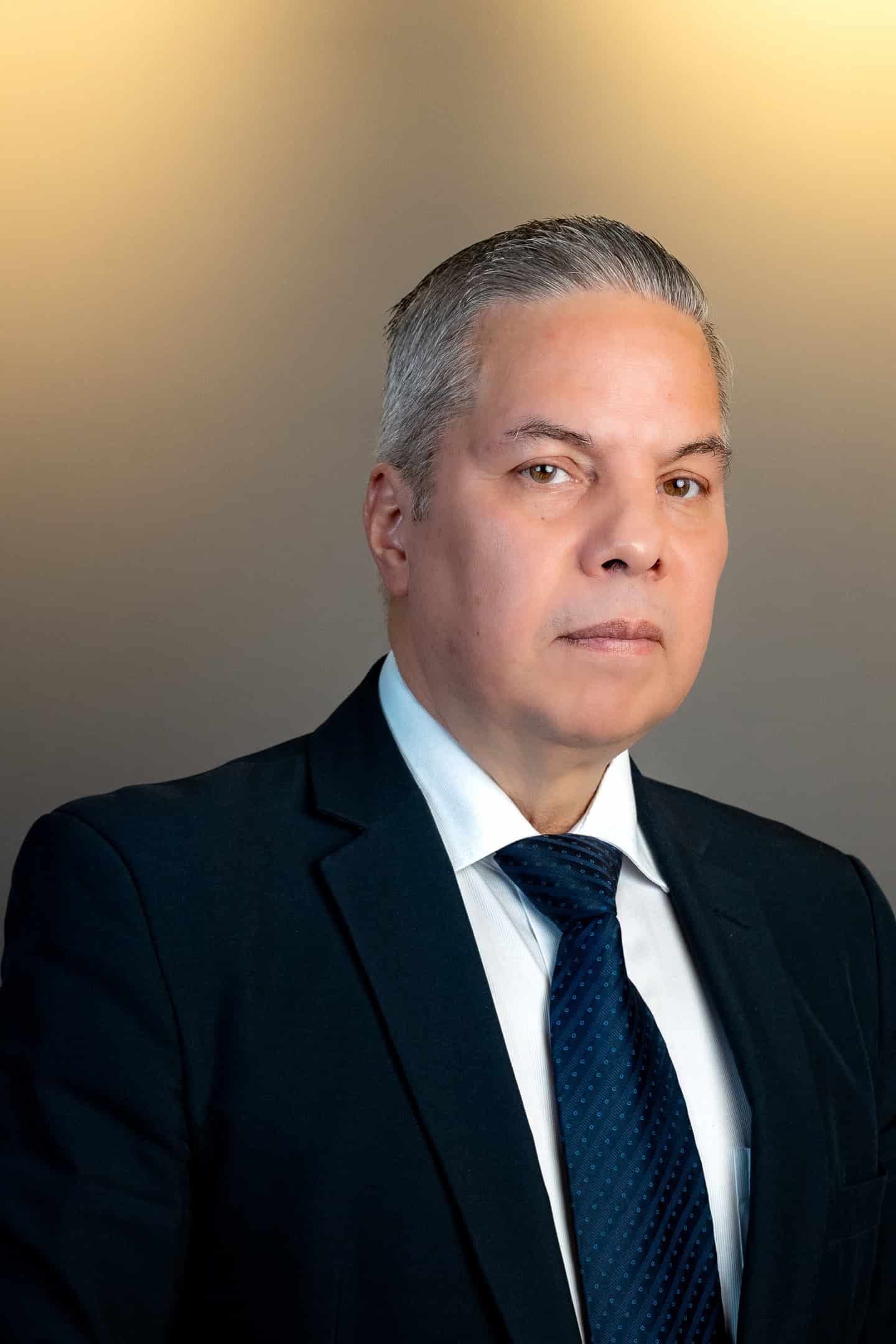
Róger Madrigal López
A
Costa Rica had a slightly negative inflation, equal to about -0.1%, in 2025; and the forecast for 2026 is around -0.4%. At the same time, the economy has maintained a healthy growth rate, equal to 4.6% in 2025 and projected to be 3.6% in 2026.
The IMF’s Report for the 2026 Article IV Consultation concludes that Costa Rica continues to display “very strong economic fundamentals,” successfully weathering external shocks despite increased global uncertainty. According to the IMF, “Monetary policy should stand ready to bring inflation and inflation expectations back to target in a sustained way. The real policy rate is above staff estimates of neutral, and inflation would remain below the central bank’s target until at least 2029 … This appears to be clear evidence for a reduction in the policy rate. However, the expected pass-through of higher global commodity prices (e.g., oil, grains, and fertilizers) to headline inflation provides some room for a pause in monetary easing.” Fiscal performance remains strong following years of consolidation. The IMF Executive Board also reaffirmed Costa Rica’s qualification for the Flexible Credit Line, a precautionary facility reserved for countries with exceptionally strong policy frameworks. Overall, the medium-term outlook remains favorable, although downside risks from the external environment warrant continued policy prudence.
GUATEMALA
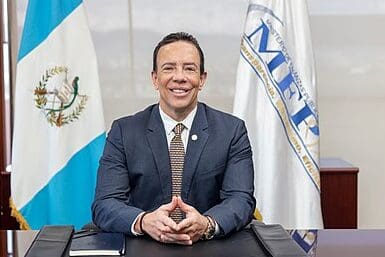
Alvaro González Ricci
A
Guatemala’s economy is showing good performance, with real GDP growth of 4.1% in 2025 and a forecast of around 3.9% in 2026. Inflation remains low and under control: about 1.6% in 2025 and projected to reach around 2.6% in 2026. Guatemala maintained prudent macroeconomic policies, combining fiscal discipline with increased public investment in infrastructure and social programs. The key monetary policy instrument of the Bank of Guatemala (Banguat) is the policy interest rate. As of August, the policy rate stands at 3.5% following a 25 basis-point reduction in February. The central bank has maintained this rate since then, citing subdued inflation and stable macroeconomic conditions.
The Article IV mission report published by the IMF in June states that “Banguat’s cautious approach to policy easing has, in hindsight, proven appropriate amid heightened uncertainty surrounding commodity prices and external conditions. Well-anchored inflation expectations point to continued policy credibility, while ample reserve buffers provide Banguat with room for maneuver in conducting monetary policy less dependent of U.S. Fed policy movements.” The IMF also points out that “the banking system remains sound, with strong capital and liquidity buffers and solid profitability.”
INDIA

Sanjay Malhotra
A
The epithet “Goldilocks economy” would be music to the ears of any central bank governor running the economy in question. That music has been playing for Malhotra since he took the helm of the Reserve Bank of India in December 2024.
He inherited a challenging economic landscape but hit the ground running with a cumulative policy rate cut of 125 basis points in 2025, taking the repo rate to 5.25%, enabled by super-low inflation. These moves helped propel GDP growth to an estimated 7.6% in fiscal 2025-26 and makes India the world’s fastest-growing major global economy, according to data from the Organization for Economic Cooperation and Development.
Regulatory simplification—consolidating thousands of circulars into master directions—and greater accessibility improved the banking environment and central bank policy transmission. This highlights Malhotra’s reformist mindset, which aims to reduce the notoriously heavy red tape in India’s business environment.
The central bank has held a neutral stance in 2026. The CPI is projected at around 5% for fiscal year 2027—1% above the target—while growth is forecast to hit 6.7%. Malhotra has stressed price stability as his primary mandate but presiding over turbocharged economic growth is considered a welcome side effect.
JAMAICA
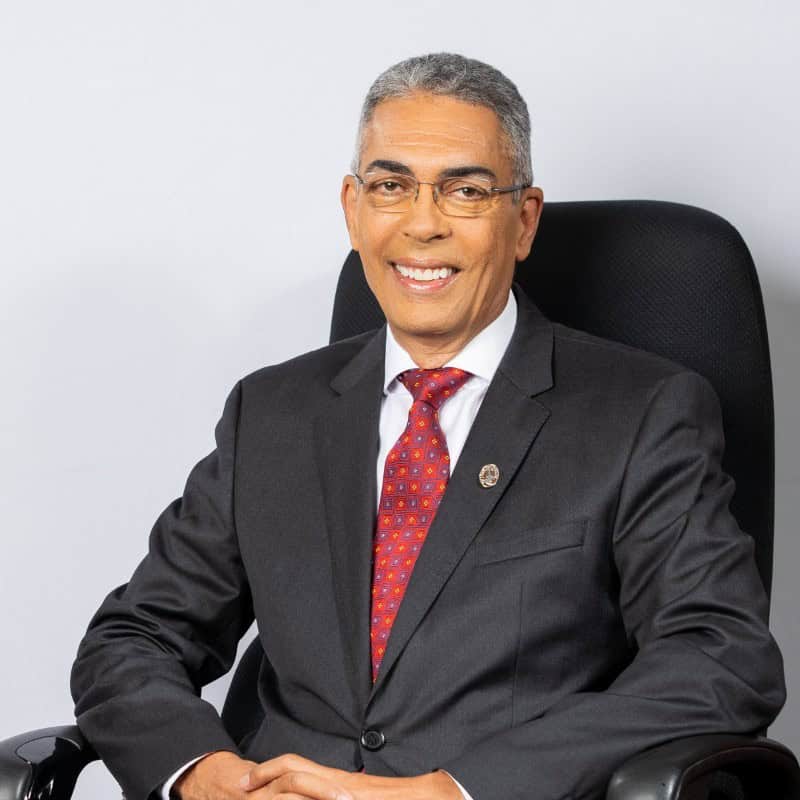
Richard Owen Byles
A
Jamaica was devastated by Hurricane Melissa in October 2025. The storm forced fiscal and monetary authorities to adopt emergency measures. The IMF supported this effort, providing $415 million through the Rapid Financing Instrument under the large natural disaster window. The temporary fiscal expansion needed to respond to the catastrophe and the supply constraints created by the destruction of infrastructures and production plants inevitably put some pressure on prices. Nevertheless, monetary policy remained focused on price stability under the Bank of Jamaica’s inflation-targeting framework. Exchange rate flexibility was maintained as the primary absorber of external shocks, while adequate international reserves and central bank credibility helped anchor inflation expectations.
The IMF concluded that Jamaica’s strong fiscal institutions, independent central bank, and prudent macroeconomic policies provide the basis for effective response to the disaster without harming medium-term debt sustainability. According to the note released in January, “Staff is confident that the authorities will pursue appropriate policies based on their strong track record and policy commitments as well as a robust institutional framework for macroeconomic management.”
Similar conclusions are contained in a note of the Inter-American Development Bank: “Overall, Hurricane Melissa was a catastrophic natural disaster from which Jamaica will take several years to recover. But Jamaica had developed an exceptional financing framework that made critical resources available to the government in the immediate aftermath of the disaster to support relief efforts.”
In August, Byles’ seven-year tenure as governor ended and Brian Langrin succeeded him.
PARAGUAY
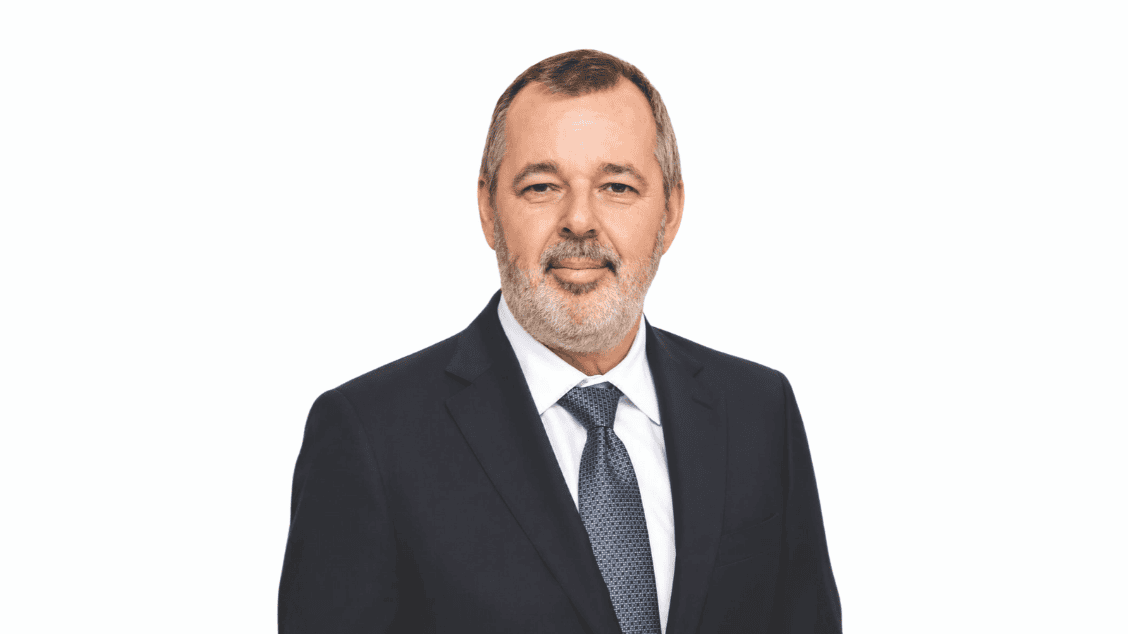
Carlos Carvallo Spalding
A
With one of the highest rates of growth in the region, Paraguay is a darling of international investors; and its central bank is operating smoothly. GDP expanded by 6% in 2025 and is projected to increase by 4.2% in 2026, driven by broad-based sectoral growth, including double-digit expansion in agriculture and strong contributions from services and industry.
“The BCP has held rates steady at 5.5% since February 2026 and has rightly taken a cautious stance amid lingering risks from the U.S.-Iran conflict. The bank is in no rush to move, with inflation below the midpoint of the central bank’s target range, expectations anchored, and Paraguay still maintaining one of the fastest growth rates in the region,” says Shanna Bober, a Latin America country risk analyst at BMI, a Fitch Solutions company.
Bober added, “The BCP is also likely to stay on hold to support the guaraní, which is expected to depreciate modestly in H2 2026 after a strong start to the year. That strength partly reflects growing investor confidence in Paraguay’s policy credibility and macroeconomic stability, making it one of the region’s steadier stories. With the policy rate now at what the bank considers a neutral level, we expect the BCP to remain on hold through the rest of 2026.”
SINGAPORE

Chia Der Jiun
A
Chia Der Jiun, who has served as managing director of the Monetary Authority of Singapore since January 2024, was reappointed in May to a term ending May 2028. He has steered the central bank through a period of heightened global uncertainty while maintaining Singapore’s macroeconomic stability and financial center strengths.
Monetary policy has remained carefully calibrated. The MAS maintained an appreciating Singapore dollar nominal effective exchange rate stance through late 2025 and into early 2026, then tightened further in April 2026 in response to rising imported inflationary pressures.
Core inflation remained low—below 1% in 2025—before rising modestly to around 1.4% to 1.5% in the first half of 2026, with market consensus projecting 1.9% for the full year. GDP growth was 5% in 2025, bouncing to an eye-catching 6% in the first half of 2026.
The MAS advanced innovation priorities, including AI adoption, quantum resilience planning, stronger cyber defenses against AI-enabled threats and broad-based growth in the financial sector, reinforcing Singapore’s position as a trusted international financial center. An appreciating investment portfolio helped the MAS record a chunky net profit of S$20.0 billion (about U.S.$15.6 billion) for fiscal year 2025-2026.
SOUTH AFRICA
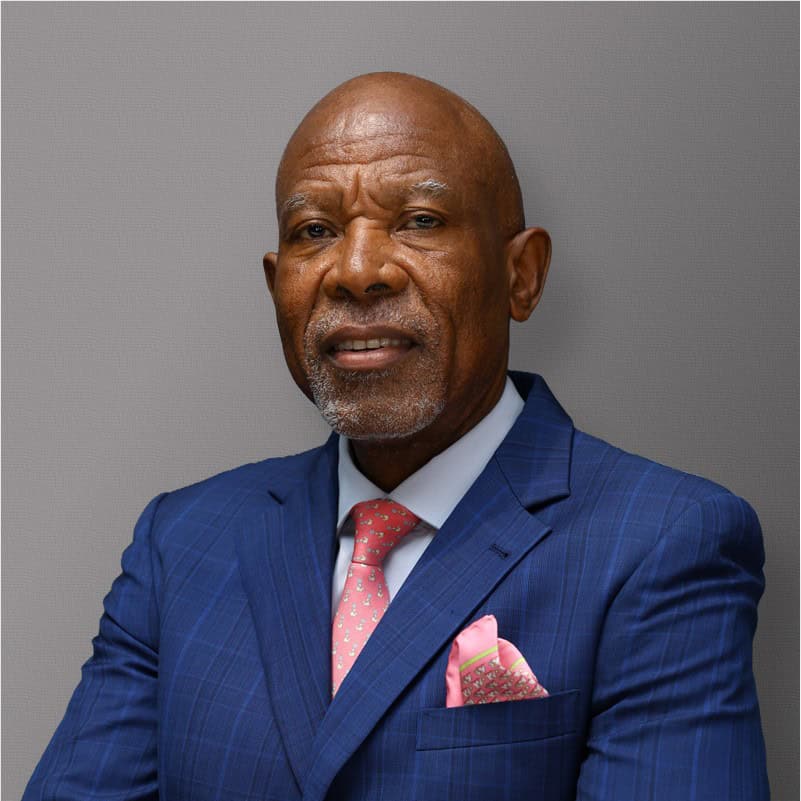
Lesetja Kganyago
A
Online gambling has become a major issue in South Africa. Last year, a staggering $91.5 billion was wagered, a 31.3% year-on-year increase. Based on the amounts being wagered and rising gross gambling revenues, the surge could pose systemic vulnerabilities for the financial sector in the future, said Kganyago, governor of the South Africa Reserve Bank.
The country nevertheless boasts a vibrant financial sector. Last year, the top five banks generated a combined $9.2 billion in profits. That makes the industry a bright spot in an economy that remains in tatters due to external and internal troubles including political instability, corruption, high unemployment, and civil unrest. Growth is projected at 1.1% this year.
Despite the challenges, Africa’s longest serving central bank governor remains steadfast about ensuring macroeconomic stability. Surging inflation has forced the SARB to tighten monetary policy; in May, it raised its repo rate by 25 basis points to 7%, the first hike since 2023, then left the rate unchanged in July. The previous month, inflation rose to a two-year high of 5%. With inflation expected to stay above 4% in the coming months, the SARB has indicated more interest rate hikes could be on the cards.
ALBANIA
Gent Sejko
A-
Times are good in Albania: GDP grew 3.8% last year, with 3.4% expected this year according to EBRD. The policy rate has remained unchanged since mid-2025 at 2.5% and inflation has stayed low, at 2.6% until mid-2026 when it rose to 3.2% driven by energy price increases, but still within the Bank of Albania’s target rate of 3% (+/-1% each way).
Albania’s EU prospects are also advancing. Alongside Montenegro, it remains one of the most likely next candidates for membership. Brussels’ Interim Benchmark Assessment Report formally places the country in the final stage of accession negotiations, and Tirana hopes to join by 2030. It’s hard to overstate Albania’s achievements in attaining stability and boosting prosperity, something for which Governor Gent Sejko and Prime Minister Edi Rama deserve credit.
“Albania has momentum, achieved on solid private sector balance sheets, a stable economic and financial environment, robust labor markets, positive business and consumer confidence, as well as growing tourism,” Sejko told Global Finance last year.
Following an official visit to Tirana earlier this spring, the IMF positively assessed the Bank of Albania, considering the monetary policy pursued as appropriate and oriented towards maintaining price stability. The IMF representatives agreed with the BoA’s strong lek policy suggesting a free-floating exchange rate is key for keeping Albania’s economy stable and adaptable.
ARGENTINA
Santiago Bausili
A-
During the past year, Argentina’s economic situation kept improving. While it is no secret that Bausili serves at the pleasure of Argentine President Javier Milei and conducts monetary policy in line with the government’s desires, Bausili still presents a return to a more orthodox economic policy compared to that of the previous Peronist government. This year, under Bausili’s leadership, the central bank has purchased more than $10 billion in hard currency and brought the government close to hitting the IMF’s net reserves target for the end of 2026.
“We would give the president of the Banco Central de la República Argentina, Santiago Bausili, an ‘A’ for his performance. The central bank chief has had to navigate an incredibly tricky macroeconomic environment, with weak domestic demand and declining but still elevated inflation; and he has done so skillfully for the most part,” said Ash Khayami, a senior country risk analyst at BMI, a Fitch Solutions company.
While market observers point to the central bank’s lack of independence from the finance minister and the government, they also broadly praise the bank’s success in accumulating much-needed foreign exchange reserves over the past 12 months. “I think that the central bank has done its part. Despite potential pressures on the exchange rate, it has accumulated reserves—and I think the central bank deserves credit for that,” said Benito Berber, chief economist for the Americas at Natixis CIB.
CAMBODIA
Chea Serey
A-
Growth moderated to an estimated 5% to 5.3% in 2025 and is projected to be 3.9% in 2026 amid weaker tourism, construction and real estate stress, border issues and global headwinds.
The National Bank of Cambodia under Governor Serey maintained an accommodative stance, kept the riel relatively stable, and held solid international reserves (around $25.3 billion in the first half of 2026). The consumer price index averaged just 2.5% last year and is forecast by the Asian Development Bank at 4.5% for 2026.
Banking capital buffers remained robust even as gross nonperforming loans rose toward 10%, with the central bank intervening via supervisory measures and liquidations of sanctioned institutions—including Prince Bank, which is linked to the Prince Group and described as a “transnational criminal organization.”
Usage of the Bakong digital payment system—blockchain-based infrastructure supporting riel and U.S. dollar transfers—continued to expand. It processed over 1.3 billion transactions in 2025 and roughly 1 billion (valued at $136 billion) in the first half of 2026, with strong growth in Khmer riel volumes.
Merchant acceptance increased to millions of points, with new cross-border QR links adding Singapore, India and Laos, among others. This has boosted financial inclusion and gradual de-dollarization efforts without forcing currency shifts.
CZECH REPUBLIC

Aleš Michl
A-
Governor Aleš Michl’s motto is caution above all else—indeed last year he told Global Finance that “monetary policy should be consistent and credible, not experimental.”
Michl’s approach during his fourth year as governor reflects this philosophy despite, or maybe because of, the government’s strong pro-growth agenda since taking office in November. The 2026 budget is more expansionary than its predecessors with a deficit of CSK 310 billion projected, amidst increased spending in infrastructure and in social areas. However, according to the EU, real GDP growth this year is expected to slow to 1.8% after 2025’s 2.5% with inflation rising from last year’s 2.3%, driven initially by rising fuel, food prices and rising real wages, although ING expects headline inflation in 2026 to be 2% rising to 2.6% in 2027.
Concerns about the latter explain the CNB decision on June 18 to raise interest rates by 25 basis points to 3.75%, the first increase in four years, putting real rates at 1%. Michl suggested the rise was needed because of “risks in the development of loans, debt financing of public spending, and the path of core inflation.”
Most observers believed this would be the last rate rise given what turned out to have been a short-lived rise in inflation coupled with the need to keep growth on track.
DOMINICAN REPUBLIC
Héctor Valdez Albizu
A-
In 2026, the monetary policy of the Dominican Republic has remained focused on preserving price stability while supporting a recovery in economic activity after the slowdown experienced during 2025. Inflation was just under 3.9% in 2025 and is projected to be about 5.1% in 2026. These numbers are roughly in line with the target of 4%, plus or minus 1 percentage point. The GDP rate of growth was 2.1% in 2025, and the forecast for 2026 is around 3.7%.
Following the easing measures introduced during late 2024 and maintained through much of 2025, the central bank adopted a largely neutral monetary stance in 2026. The exchange rate continued to adjust gradually under a managed floating regime, with the bank intervening only to smooth excessive volatility rather than defend a specific exchange rate level.
In November 2025, the latest IMF Article IV consultation concluded that the Dominican Republic remained one of the strongest-performing economies in Latin America and the Caribbean, supported by sound macroeconomic policies, political stability—and an investor-friendly business climate.”
KENYA
Kamau Thugge
A-
Kenya is wrestling with unsustainable public debt. In June, the East African nation’s load reached a $98.9 billion and debt repayment was gobbling up a staggering 71% of revenues. The budget office has warned that at this rate, the country “cannot survive.” Already, it is one of the cards the opposition is fronting ahead of next year’s elections.
The Central Bank of Kenya, for its part, has opted to remain calm and discharge its monetary policy mandate. After a prolonged stretch of easing that lowered its policy interest rate 400 basis points to 8.75% in February, it left the rate unchanged in April and June. Informing the shift was inflation that stood at 6.5% in July, approaching the top of the government’s preferred range of 2.5% to 7.5%.
In the financial sector, CBK Governor Kamau Thugge is defending proposed banking fee regulations that critics contend will increase the cost of services, a move that comes as banks’ non-performing loan ratio remains elevated at 15.3%.
KUWAIT
Basel Al-Haroon
A-
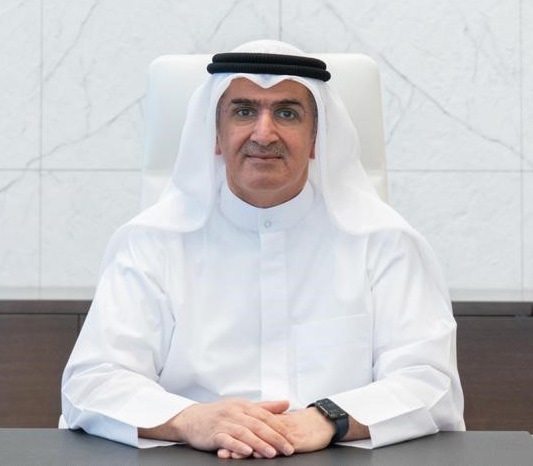
The Persian Gulf conflict has made 2026 an exceptionally challenging year for Kuwait. The kingdom faces one of the deepest recessions in the GCC, with GDP projected to contract 8%, according to a Reuters poll. Governor Al-Haroon has taken a pragmatic approach, employing the Central Bank of Kuwait’s existing toolkit to respond rapidly as needed. The CBK announced a precautionary stimulus package in March that included lower liquidity requirements, the release of capital buffers, higher lending limits, and more flexible liquidity management rules.
Al-Haroon enjoys greater flexibility on monetary policy than most of his GCC peers, whose currencies are all pegged to the U.S. dollar. Since our last evaluation, the CBK has cut the discount rate twice by 25 basis points, bringing it from 4% to 3.5% last December. Inflation is expected to reach 3% this year, up from 2.4% in 2025, but remains manageable.
Overall, Kuwait’s lenders are stable, well capitalized, and profitable; their main challenge is to build on that resilience to support economic diversification and innovation. The kingdom’s addition to FATF’s grey list this year adds further incentive to accelerate reform.
MOROCCO

Abdellatif Jouahri
A-
Morocco is still North Africa’s economic driver, with projected GDP growth this year between 4% and 5%. Decades of steady reform and sustained infrastructure investment have paid off, transforming the country into a leading destination for business, and most economic indicators this year are in the green.
Yet, there is a gap between “economic performance” and “citizens’ perception,” according to Jouahri, who has served as governor of Bank al-Maghrib since 2003—one of the longest central-bank tenures in the world. While the disconnect is not specific to Morocco, the BAM is trying to address it from a regulatory perspective. On the monetary side, Jouahri has kept the main policy rate unchanged at 2.25% since last year. According to the central bank’s forecast, inflation should remain contained at 1.5% this year and rise to 2.1% in 2027, just above its 2% target.
The main risk today, however, is a potential spillover from the Middle East conflict, which could push up the cost of imported goods. Morocco’s banking sector is among the strongest in Africa, with major institutions operating large networks across the continent. Looking ahead, the financial sector’s next challenge will be to accelerate digital transformation, ensuring that Moroccan lenders keep pace with the international competition.
THE PHILIPPINES
Eli Remolona
A-
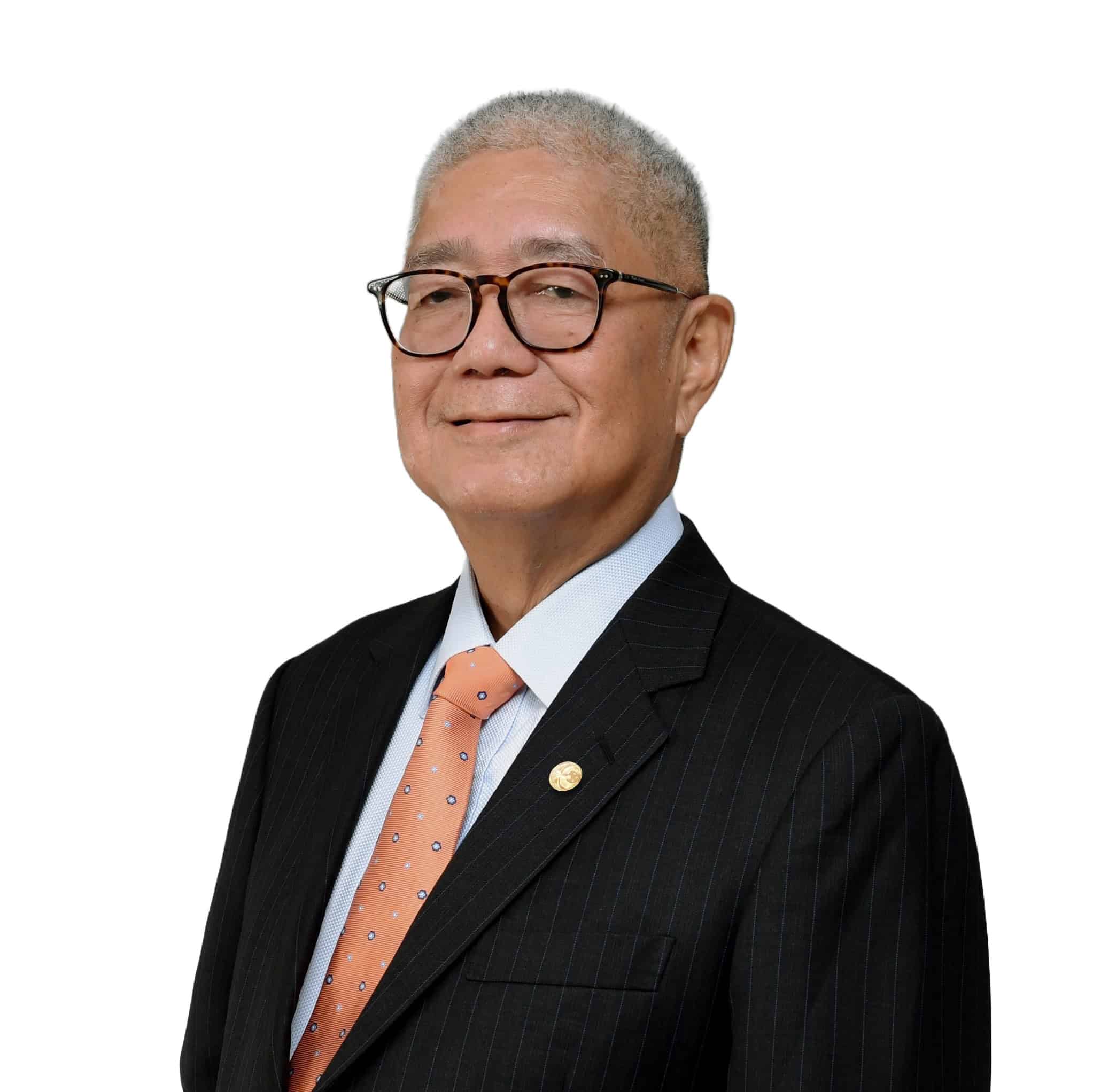
In the second half of 2025, inflation in the Philippines remained subdued, in the 1% to 2% range, allowing the Bangko Sentral ng Pilipinas’ Monetary Board, under Governor Eli Remolona, to continue the gradual easing cycle that began in August 2024. It cut a cumulative 225 basis points to February of this year, supporting economic activity despite a volatile peso environment.
Then the scenario shifted as the Middle East conflict drove up global oil and fertilizer prices, a curveball for an agricultural economy that imports much of its oil and petroleum products from that region. Headline inflation rose sharply, to 4.1% in March, 7.2% in April, and 6.8% in May, pushing it well above the 2% to 4% target band.
In response, the board raised the target reverse repurchase rate by 25 basis points in April and again in June, bringing it to 4.75%. Remolona described the moves as measured, aimed at containing second-round effects and anchoring expectations without overreacting.
Meanwhile, weaker public spending and higher energy costs contributed to soft growth. GDP growth averaged 2.6% in the first half of 2026 versus 4.4% in 2025, complicating the inflation-versus-growth trade-off.
POLAND
Adam Glapiński
A-
Adam Glapiński celebrated his fourth anniversary as Narodowy Bank Polski governor this June and although he has critics within the Donald Tusk government, Glapiński deserves some credit for the benign economic environment of the past year.
Inflation has remained stable, in June at 2.5%, slap in the middle of the NBP’s target range of 2.5% +/- 1%, whilst interest rates—3.75% in July—have been gradually eased from the mid-July 2025 level of 4.75%. Glapiński has been dovish on the underperformance of the zloty versus the other leading CEE currencies, Hungary’s forint and Czechia’s crown which have attracted more buyer interest.
Glapinski can afford to be dovish because investors are mindful of Poland’s success: after GDP growth of 3.5% last year, the NBP is forecasting 3.7% this year supported by EU RRF and Cohesion Funds and growing domestic demand fueled by the rising real wages caused in part by Poland’s tight labor market. Indeed, despite the uncertainties caused by the Iran War, growth has been rising over 2026 with 3.8% registered for the second quarter, against 3.5% in the first quarter.
Glapiński has used the recent fall in the gold price as an opportunity to buy more gold, adding 82 tons this year and reaffirming the central bank’s target of building its gold holdings to 700 tons.
SERBIA

Jorgovanka Tabaković
A-
On July 10, Fitch Ratings affirmed Serbia’s sovereign outlook at BB+ with a positive outlook, highlighting a “consistent macroeconomic policy mix, including a strong commitment to exchange rate stability and prudent fiscal management, strengthened international reserves and high GDP per capita compared with ‘BB’ peers … and a record of resilience to external shocks.”
The NBS under Jorgovanka Tabaković—who is now well into her third term as governor—bears its share of the credit for this positive performance, quite different from the sometimes rather chaotic political image Serbia shows to the world. As the IMF concluded after its 2025 review, “the continuation of cautious monetary policy and a resilient financial sector will remain an important anchor in a period of heightened uncertainty.”
As ever Tabaković’s pragmatism has guided NBS policymaking, with the main policy rate of 3.75% in early July exactly as it was one year before. It seems to be doing its job, with inflation at 2.7% in June, down from 3.5% in May, and well within the NBS target of 1.5% +/-3% whilst growth chugs along, with 2026 expected to see GDP rise by 2.8% on top of 2025 fiscal year 2%, with a pick-up to 4% expected in 2027 as Serbia’s economy reaps some of the benefit of the EXPO.
SWITZERLAND
Martin Schlegel
A-
The Swiss National Bank comfortably satisfied its mandate, which defines price stability as inflation below 2% while avoiding deflation. Consumer prices rose 0.5% year on year in June, unemployment stood at 2.9% and the economy grew 0.6% year on year and 0.7% quarter on quarter, a positive result in a period when the eurozone contracted.
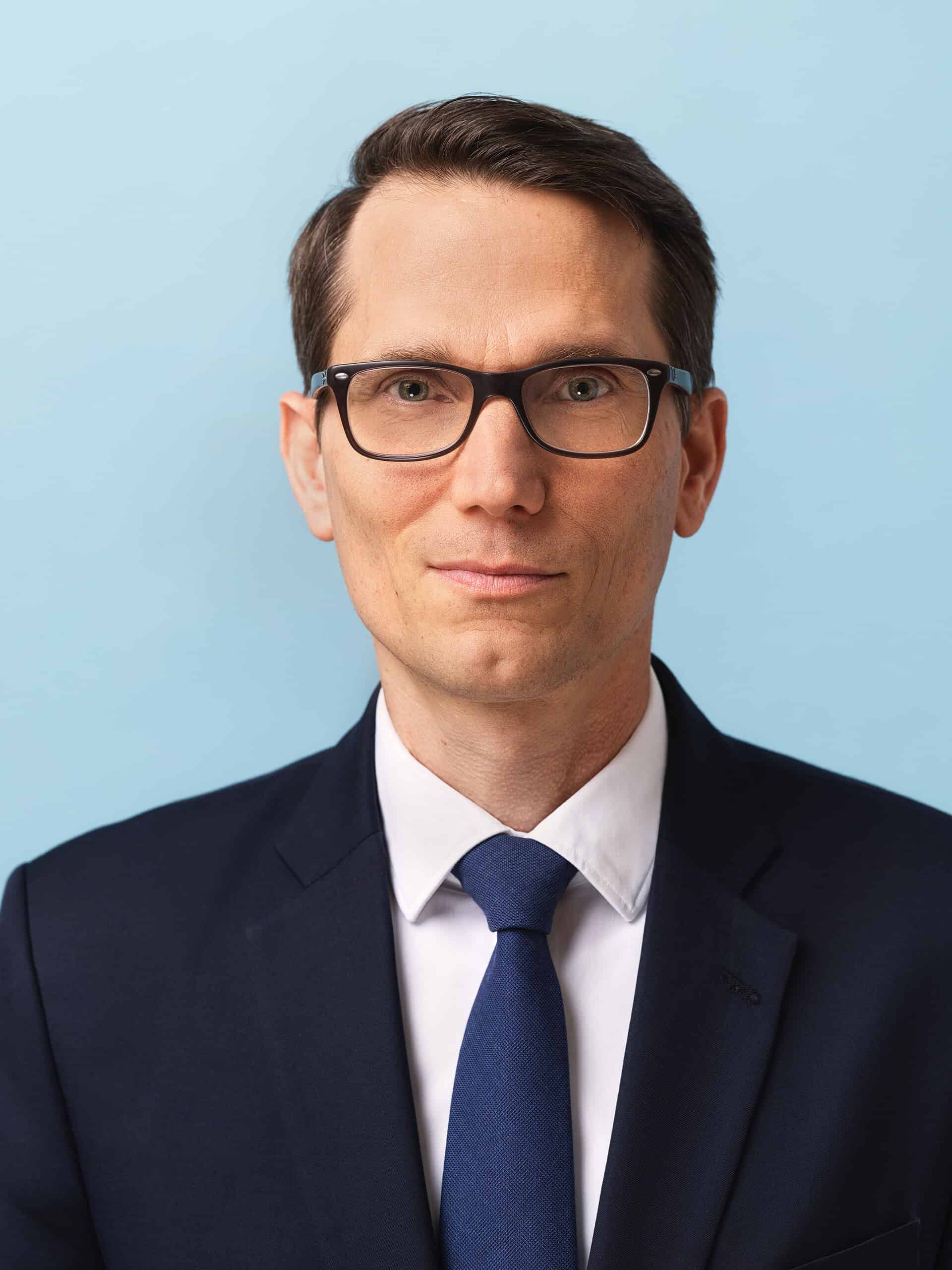
Governor Martin Schlegel held the policy rate at 0% throughout, a more active decision than the unchanged figure suggests. With disinflation persistent enough that he conceded negative prints were “well possible this year,” the case for returning to negative territory was live. Schlegel kept the option available without exercising it, arguing that “we cannot exclude negative interest rates” while signaling a clear institutional preference against them.
External developments assisted that restraint. The tariff agreement concluded with Washington, cutting the rate applied to Swiss exports from 39% to 15%, removed much of the pressure that a deteriorating export outlook would have placed on the bank, though the franc near decade highs against both the euro and the dollar continues to weigh on exporters.
TAIWAN
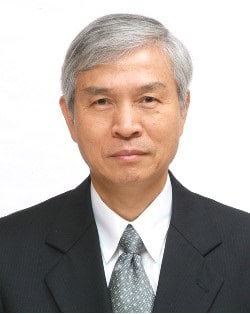
Yang Chin-long
A-
As governor of the Central Bank of the Republic of China (Taiwan) since February 2018, Yang Chin-long has presided over turbocharged economic growth while managing inflationary pressures. This is no mean feat in a country where GDP growth is forecast to come in at a staggering 11% this year, due to AI-related demand. The Taiwan dollar has stabilized this year after sharp appreciation pressure in 2025 due to tech-related inflows. The central bank aggressively intervened in the foreign exchange market, building its reserves beyond the $600 billion milestone and prompting renewed criticism from some commentators who contend that the Taiwan dollar is chronically undervalued. The benchmark discount rate remained steady at 2% this year, although Yang publicly noted that the decision was not unanimous, with some board members flagging inflation risks. He said the bank needed to remain “slightly more hawkish,” with any rate changes dependent on incoming data.
Yang has cautioned against potential AI bubble risks, speculative capital expenditure and overleveraging in the tech sector. Still, the Taiwan dollar is range-bound while inflation has been managed near or slightly above the 2% threshold. The central bank projects full-year CPI below 2% in 2026 amid easing imported inflationary pressures.
TANZANIA
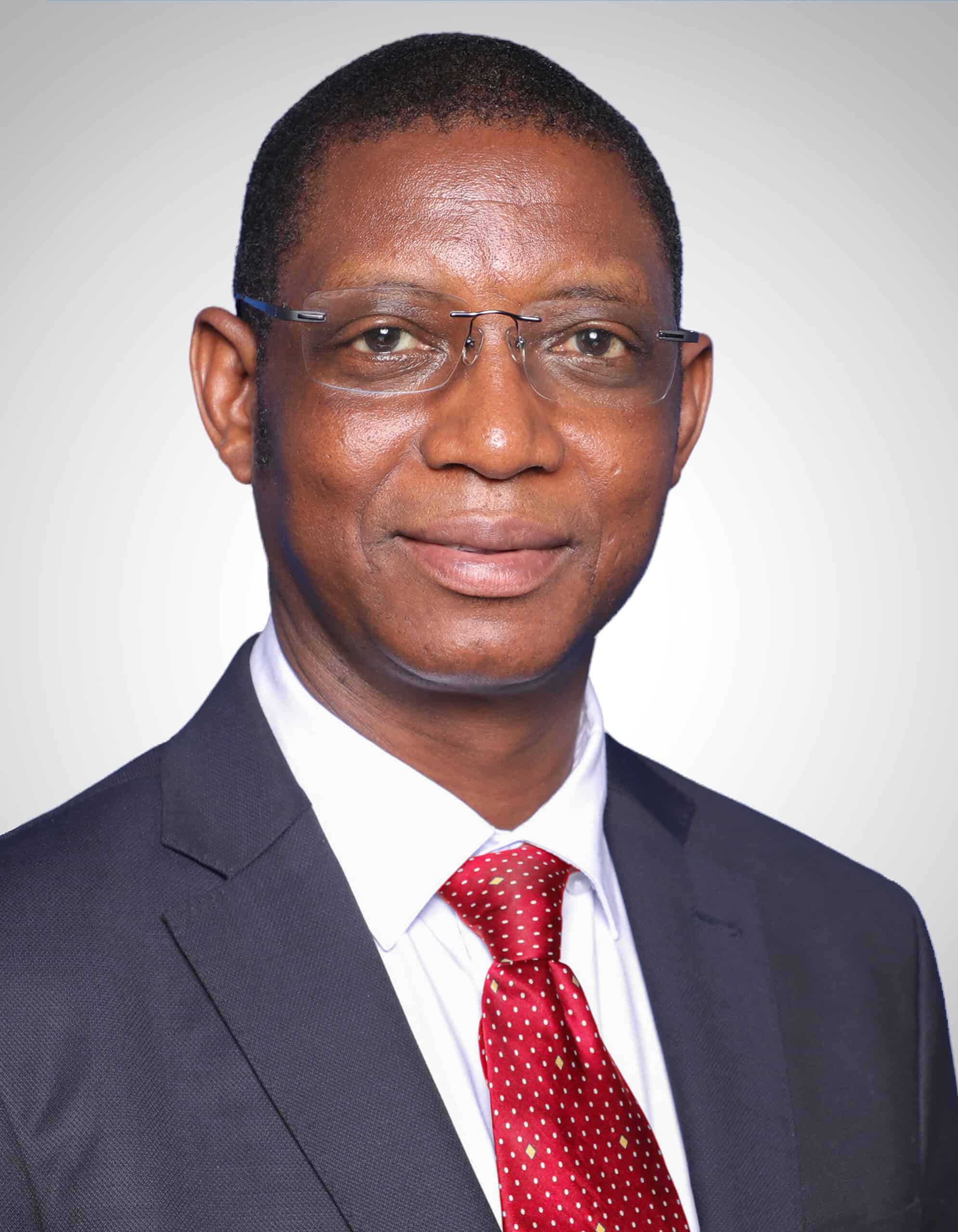
Emmanuel Tutuba
A–
In June, the Bank of Tanzania celebrated its 60th anniversary. President Samia Suluhu Hassan used the occasion to challenge the central bank to lower borrowing costs and widen credit access to vulnerable groups like women, youth, farmers, and micro businesses.
Credit to the private sector remains vibrant, averaging 24%, but ensuring even distribution is critical for Tanzania, a country whose economy is among the fastest growing but where inequality and poverty remain rampant. This year, GDP is forecast to expand by 5.9%. Inflation, however, has accelerated to its highest level in three years, reaching 4.2% in June. The BoT has responded with a tighter monetary policy; after leaving the policy interest rate unchanged at 5.75% for the third consecutive time in April, it raised the rate 50 basis points to 6.25% in July. The object is to ensure inflation remains within the target range of 3% to 5%.
On a brighter note—literally—the BoT is enjoying the success of its domestic gold-buying program, which has amassed 28 tonnes of gold worth $3.6 billion in just 20 months. The program has been instrumental in strengthening reserves, which increased to $6.8 billion, equivalent to five months of imports cover.
UNITED ARAB EMIRATES
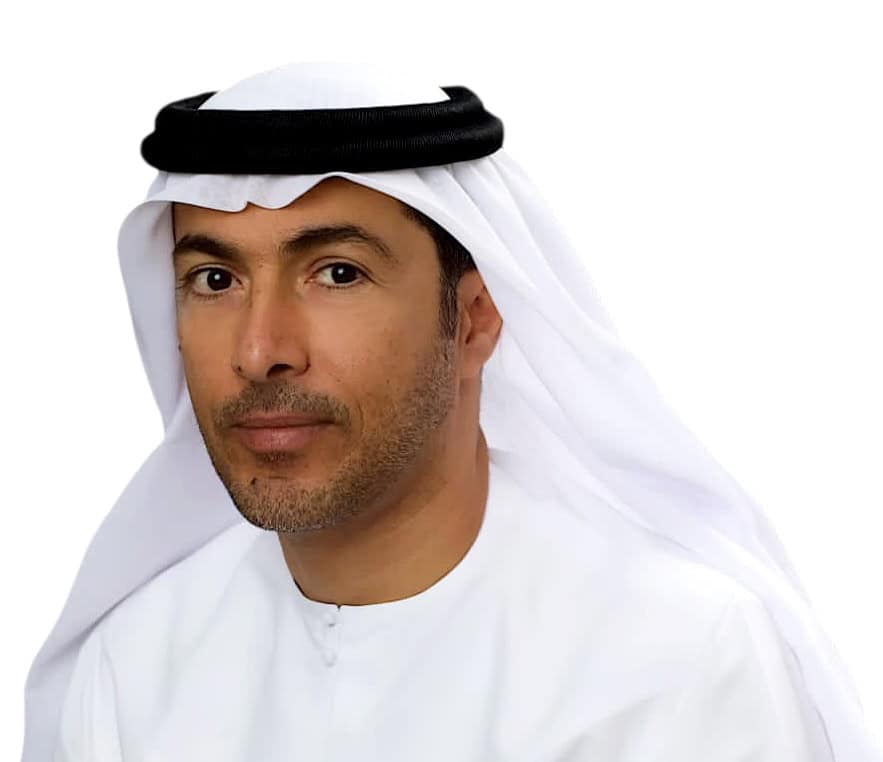
Khaled Mohamed Balama
A-
The UAE economy suffered a severe stress test this year as Iranian drones and missiles targeted trade routes and critical infrastructure all the way to the Dubai International Financial Centre. The Central Bank of the United Arab Emirates forecasts GDP growth of 1.7% this year, a drop from 5.6% in 2025. In March, Governor Balama launched a $270 billion Financial Institutions Resilience Package to strengthen liquidity and sustain lending. Measures included giving banks access to up to 30% of their cash and term liquidity facilities in U.S. dollars and dirhams as well as case-by-case assistance.
Despite the shock, the banking sector remains resilient. The CBUAE is also supporting regional stability through a $5.4 billion currency swap arrangement with Bahrain. On monetary policy, the Emirati dirham is pegged to the U.S. dollar and the CBUAE follows the Fed in making policy rate adjustments. Since our last report, the central bank has cut the base rate three times to 3.65%.
Beyond crisis management, the UAE continues to strengthen its position as the region’s leading financial center and a global capital hub. Abu Dhabi and Dubai still attract hundreds of international banks, investors, wealth managers, and fintech entrepreneurs. Supporting the ecosystem is a regulatory approach that encourages innovation in new technologies such as AI and virtual assets.
Africa
ANGOLA
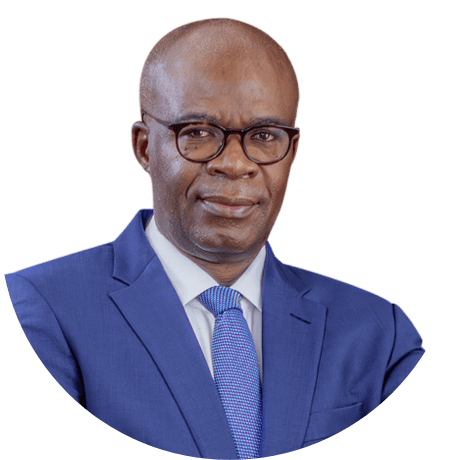
Manuel António Tiago Dias
C+
Central banks around the globe are wrestling with inflationary pressures stemming from the latest Middle East conflicts. The case is different for Manuel Tiago Dias, governor of the National Bank of Angola, who maintains that inflation poses no pressure in the foreseeable future.
As a major crude oil producer, Angola has benefited from the crisis; in the first quarter of this year, it raked in $7.1 billion from oil exports, and high crude prices are powering an economic rebound. Moreover, success in diversifying the economy is starting to pay dividends, with the non-oil sector now accounting for about 80% of GDP, according to government data.
The stable macroeconomic fundamentals have made the BNA’s job easy. In July, it cut its benchmark interest rate by 125 basis points to 15.75%, following a 50 basis-point reduction in May. With inflation declining to 9.3% in July compared to 19.5% in same period last year, the bank stands ready to continue monetary policy easing. A critical win, in July, was the inclusion of the kwanza as a settlement currency in the Southern African Development Community’s real-time gross settlement system. The same month, the BNA added China’s yuan to the list of currencies that Angolan banks can use to cover reserve requirements.
BANK OF CENTRAL AFRICAN STATES (BEAC)
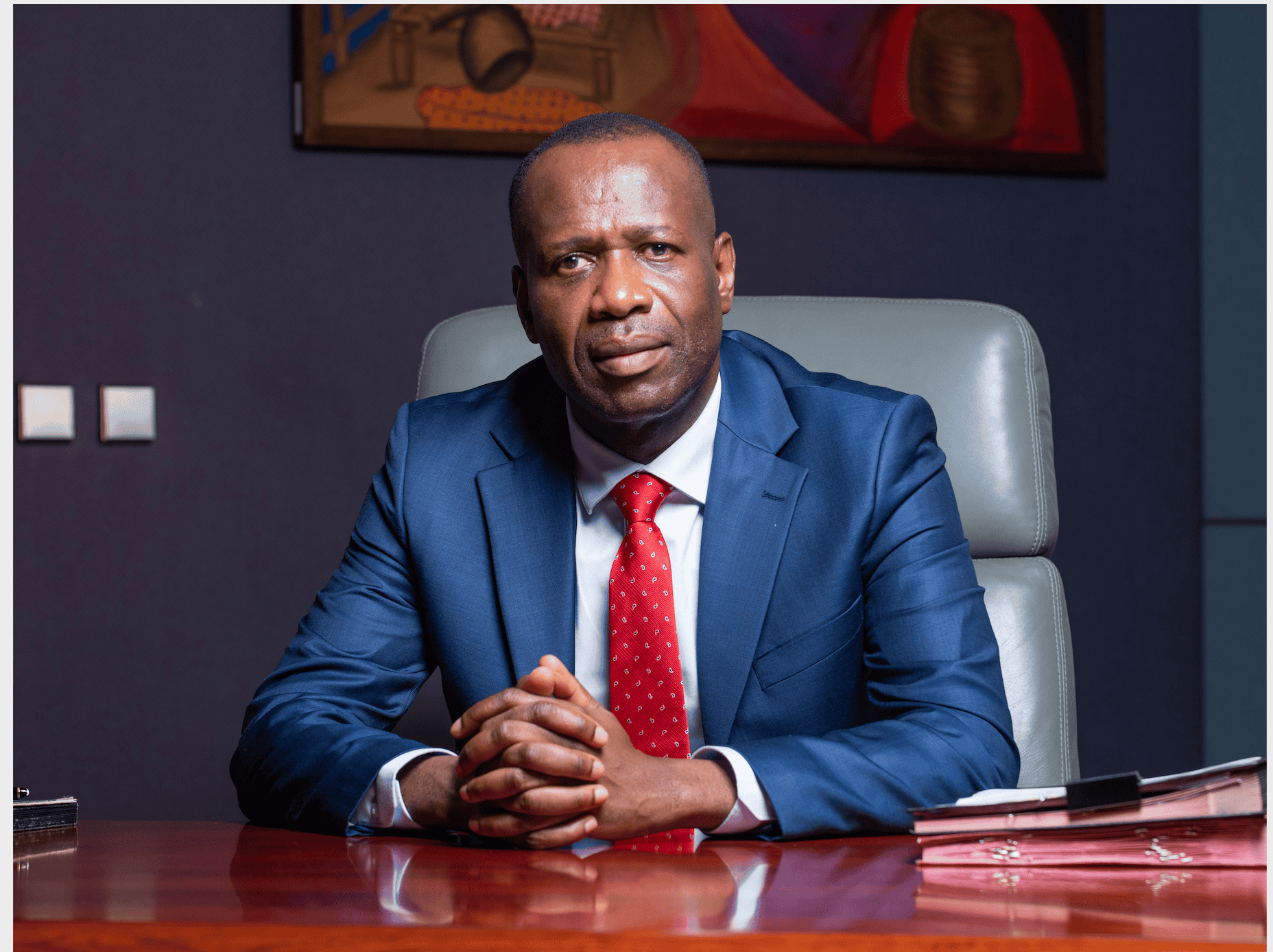
Yvon Sana Bangui
C
Bangui is on a mission to build foreign reserves. At the end of April, these stood at $12.4 billion, equivalent to four and a half months of imports cover, still below the recommended threshold of at least five months.
To achieve his goal, the BEAC governor wants foreign extractive companies to repatriate most of their earnings. In April, he issued a directive that starting January 1, they must repatriate 50%, and 70% from January 1, 2028. The current repatriation rate stands at 35%. As expected, the directive has ignited apprehension among foreign investors, but BEAC has expressed no intention of backtracking.
The central bank is having an easy ride on the monetary policy front, however, as inflation remains below its 3% target band. In June, it lowered its policy interest rate 25 basis points to 4.5%. With the Economic and Monetary Community of Central Africa bloc pursuing deeper trade integration, the BEAC in July joined the Pan-African Payment and Settlement System, which facilitates cross-border payments not only within member countries but across the continent. With financial inclusion in CEMAC at below 50%, Bangui has opposed taxing mobile payment services.
BOTSWANA
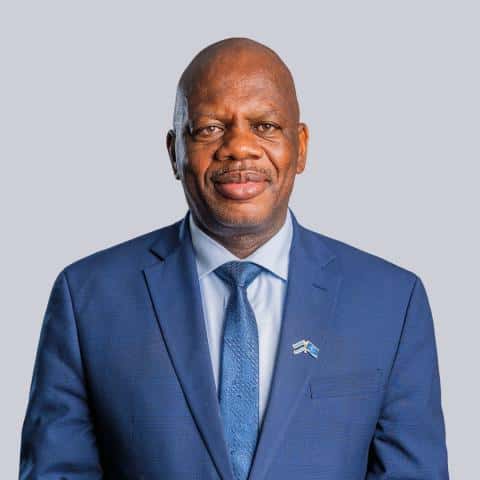
Lesego Moseki
Too Early To Say
Last November, Cornelius Dekop unceremoniously resigned as Bank of Botswana governor after only two years at the helm. Lesego Moseki, a long-time insider, was appointed to succeed him. He has his work cut out. Topping the to-do list is restoring the BoB’s credibility; speculation was rife that a “toxic” environment at the central bank was a factor in Dekop’s departure.
More critically, Moseki must steer a central bank facing a faltering economy and upturning inflation. Last year, the economy recorded a 0.7% contraction, including 5.4% shrinkage in the fourth quarter; this year, a paltry 1.2% growth rate is expected after foot-and-mouth disease ravaged the livestock sector and mining underperformed. In July, the government raised the debt ceiling from 40% to 60% of GDP. Inflation spiked to 10.7% in June from 4.1% in January and is expected to average 9% this year.
The BOB has responding by tightening monetary policy. In April, it hiked its policy rate to 5.5% from 3.5% before leaving it unchanged in June. While inflation is a headache, conditions in the financial sector add to the pain, notably weaker external inflows, a prolonged diamond-market downturn, tighter fiscal conditions, and low reserves.
CENTRAL BANK OF WEST AFRICAN STATES
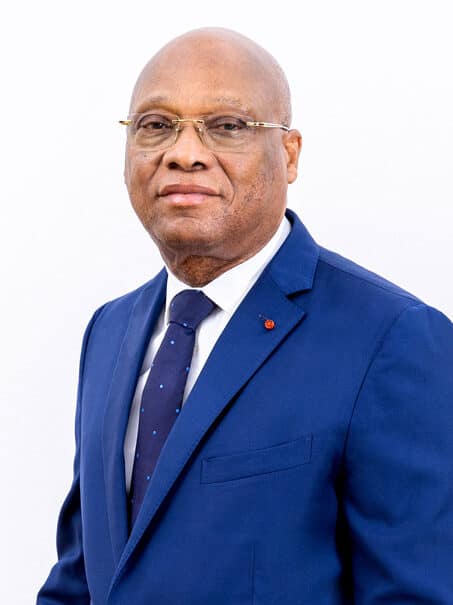
Jean-Claude Krassi Brou
B+
Economic growth in the West African Economic and Monetary Union bloc is booming. In 2025, GDP growth reached 6.6%; it is projected to remain stellar at 5.5% this year. Increases in cocoa, gold and oil earnings have been key drivers of the boom. Last year, the bloc raked in $20.8 billion from gold exports, $12.1 billion from cocoa, and $7.6 billion from oil. The unprecedented earnings saw WAEMU record a $10.9 billion trade surplus, its first in 14 years.
The bonanza has also resulted in ballooning foreign reserves; in April, they stood at $67 billion, equivalent to 7.8 months of imports cover. The region’s robust economic environment, coupled with low inflation that stood at -0.2% in the first quarter and is expected to average 1.6% this year, has made the BCEAO’s job extremely easy. In March, the central bank cut its key policy rate by 25 basis points, to 3%, then left it unchanged in June.
Conditions in the financial sector, however, are a concern. Despite raising banks’ minimum-share capital requirement from $17.3 million to $34.6 million, pockets of vulnerability have been aggravated by increased lending to governments, persistently high nonperforming loans, and low provisioning.
EGYPT
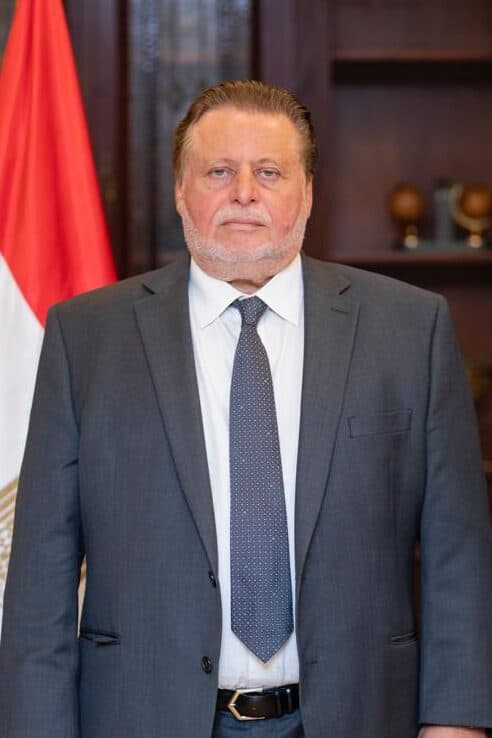
Hassan Abdalla
B+
Egypt has thus far managed to shield its economy from the latest Middle East conflict. Cairo entered the crisis in a position of strength, supported by a strong monetary framework and large buffers. The decision to float the pound in 2024 was bold and widely considered necessary, although not painless. Since the start of the war in Iran, the pound has depreciated against the dollar, but the Central Bank of Egypt’s commitment to its policy choice has helped restore long-term investor confidence. Foreign reserves have also strengthened, reaching a record $56 billion in July, although some $18 billion of that reflects Gulf Cooperation Council deposits.
Egyptian banks overall are profitable, liquid, and resilient. Since our last assessment, Abdalla, the CBE’s acting governor, has cut key policy rates by 300 basis points, bringing the overnight deposit rate to 19% and the overnight lending rate to 20% in February. But in a country of 120 million people, inflation remains a major concern; in June, it stood at 15%, more than double the CBE’s 7% target.
Since Abdalla assumed control in 2022, the central bank has transformed Egypt’s macroeconomic position, building buffers on the back of regional momentum and establishing Cairo as a leader in African digital finance. The next challenge is to translate these gains into broader, more sustainable economic activity at home.
ETHIOPIA
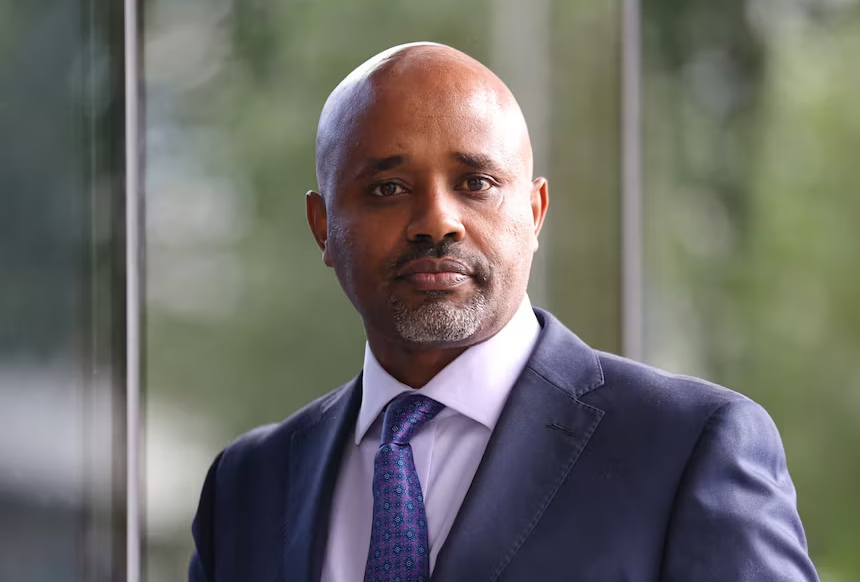
Eyob Tekalign
Too Early to Say
The unexpected appointment of Tekalign as governor of the National Bank of Ethiopia in September 2025 raised fears that macroeconomic reforms initiated by his predecessor could stall. They haven’t, and today the NBE ranks among the continent’s most dynamic central banks.
Tekalign has presided over major reforms, the highlight being the removal of the credit cap and easing of foreign exchange restrictions. Removing the credit cap, which was first introduced in 2024 and limited commercial banks’ annual credit expansion to 14% annually, is expected to have a significant impact as it gives banks a freer hand in lending.
The NBE is meanwhile clinging to a tight monetary policy stance in the face of an upsurge in inflation, which rose to 13.9% in June, its highest level in a year. In July, and for the first time since debuting the National Bank Rate in June 2024, the central bank raised it by one percentage point to 16%. By implementing foreign exchange reforms, the NBE is hoping to stabilize the birr, which last year was among the worst performing currencies in Africa, plunging by 18%.
In the banking sector, the central bank is strengthening risk-based supervision as 16 banks have failed stress tests.
GAMBIA
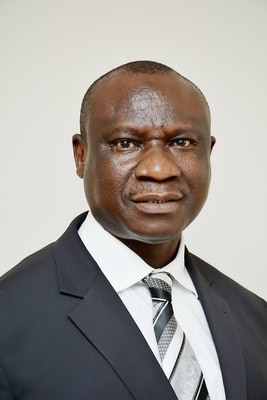
Buah Saidy
C
The Gambia is scheduled to hold presidential elections on Dec. 5. Without term limits and with constitutional reforms stalling, incumbent President Adama Barrow has a free hand in seeking a third term and is widely expected to retain power.
Political upheaval could impact a lively economy. Having recorded an impressive 6.1% GDP growth in 2025, the International Monetary Fund is forecasting a lower 4.7% growth for the nation this year; the Central Bank of The Gambia projects higher growth at 5.7%. However, it has admitted that the strong momentum could be derailed. Inflation, particularly, has taken an upward spiral, standing at 7.6% in June compared to 6.4% in January. The uptick has prompted the CBG to put the brakes to monetary policy easing. Having cut its policy interest rate by 200 basis points in February to 14% from 16%, the central bank left it unchanged in May.
Apart from inflation, CBG Governor Buah Saidy is facing a credibility test. In May, the central bank faced criticism for sponsoring an overseas governance training program for parliamentarians. Saidy defended the sponsorship as part of the bank’s corporate social responsibility. However, critics reckoned it was an attempt to buy influence with lawmakers.
GHANA
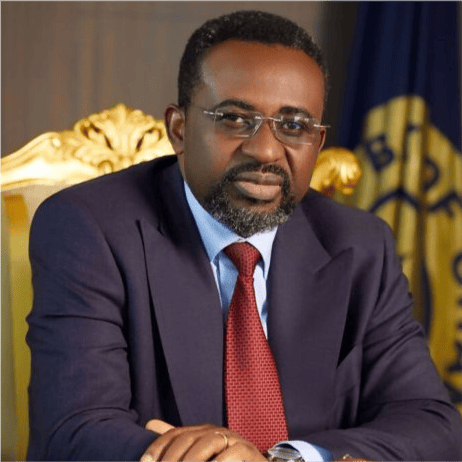
Johnson Asiama
C+
This month, Johnson Asiama marks eight months as governor of the Bank of Ghana—a period in which he has done seemingly everything in his power to prove he is on a mission.
His first order of business was hiking the policy rate by 100 basis points to 28% in March to contain inflation that was running at 23.1% the previous month. In May, he left the rate unchanged, then called an emergency Monetary Policy Committee meeting in mid-July that again held steady.
The same month, at its regularly scheduled meeting, the committee cut the key interest rate by 300 basis points, to 25%; it was the largest reduction in the BOG’s history. In taking the decision, Asiama reckoned on a series of recent positive developments. Inflation declined to 12.1% in July, its lowest rate since December 2021. The local currency, the cedi, had appreciated 40.7% to July. And public debt had declined to 43.8% of GDP in June from 61.8% last December, driven by lower domestic borrowing and external debt restructuring. In September, accordingly, the BOG took the benchmark rate down again, by 350 basis points to 21.5%, again citing sustained disinflation.
Economic confidence, amidst these indicators, has been peaking. In the first quarter, GDP expanded by 5.3%. One area that remains of concern for Asiama, however, is the persistently high presence of nonperforming loans in the banking sector, at a 23.6% ratio. The BOG has issued new regulatory notices to banks advising them to tackle the challenge.
KENYA
Kamau Thugge
A-
Kenya is wrestling with unsustainable public debt. In June, the East African nation’s load reached a $98.9 billion and debt repayment was gobbling up a staggering 71% of revenues. The budget office has warned that at this rate, the country “cannot survive.” Already, it is one of the cards the opposition is fronting ahead of next year’s elections.
The Central Bank of Kenya, for its part, has opted to remain calm and discharge its monetary policy mandate. After a prolonged stretch of easing that lowered its policy interest rate 400 basis points to 8.75% in February, it left the rate unchanged in April and June. Informing the shift was inflation that stood at 6.5% in July, approaching the top of the government’s preferred range of 2.5% to 7.5%.
In the financial sector, CBK Governor Kamau Thugge is defending proposed banking fee regulations that critics contend will increase the cost of services, a move that comes as banks’ non-performing loan ratio remains elevated at 15.3%.
MADAGASCAR
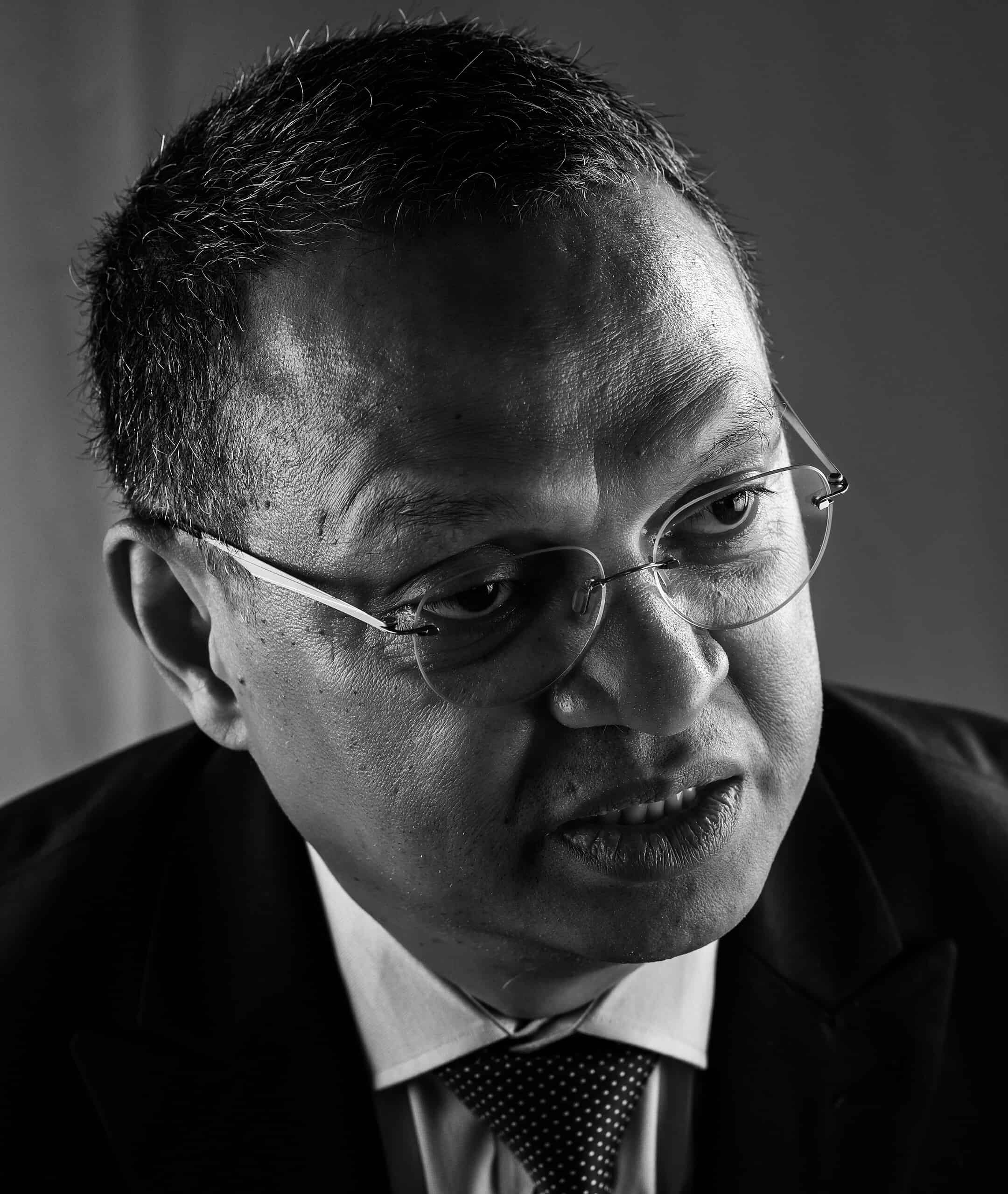
Aivo Andrianarivelo
B-
At the beginning of the year, two major tropical cyclones struck Madagascar. Fytia and Gezani left a trail of death and destruction, causing damage equivalent to 3.4% of GDP. Coupled with external shocks and a fragile political environment, the successive storms heightened economic uncertainties.
The Central Bank of Madagascar (BFM) nevertheless is clinging to a restrictive monetary policy. In August, it raised its key policy rate to 12.5% from 12%, the first increase in over a year. The aim was to contain inflation that is expected to hit double digits at 10.1% by year-end.
Despite the inflationary pressure, the BFM and Governor Andrianarivelo have reasons to cheer. The local currency, the ariary, continues to hold strong; it appreciated 8.9% in the first quarter of the year while reserves have increased to $3.6 billion, equivalent to 7.3 months of imports cover. The good feeling, however, does not extend to the banking sector. Credit to the private sector slowed to 10.3% in the first quarter compared to 12% at the end of 2025. Owing to the country’s frail economic situation, fueling inequality and unemployment, the World Bank in April and May approved a total of $450 million in funding for affordable energy and infrastructure projects.
MAURITANIA
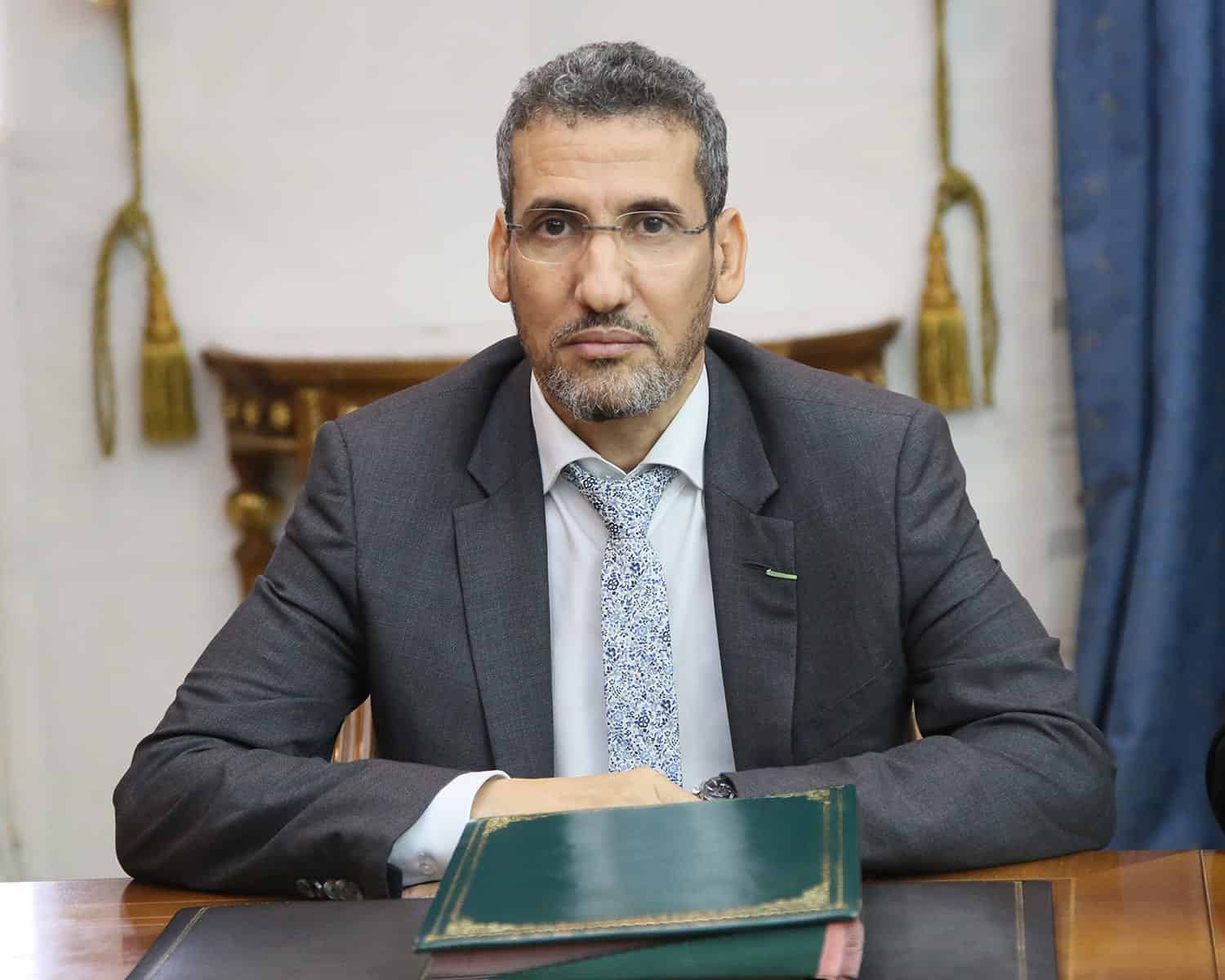
Mohamed Lemine Ould Dhehbi
C+
The Central Bank of Mauritania (BCM) is fast shedding its reputation as a straggler. Under pressure from the IMF, it has been carrying out measures to modernize the monetary policy framework, deepen the FX market, improve risk-based supervision, and strengthen its forecasting and analytical capacity. The BCM has even revamped its website.
The reforms are part of a wider agenda aimed at ensuring Mauritania’s economy remains competitive. GDP expanded by 4.2% in 2025 and is projected to accelerate to 4.7% this year, buoyed by the country’s entry into the global liquefied natural gas export market; the first load shipped from the Greater Tortue Ahmeyim field in April. Tempering the optimism is a spike in inflation, to 9.2% in June from 4.1% in December. To arrest the surge, the BCM is tightening monetary policy. In May, it hiked its policy rate 50 basis points to 6.5%, then effected another 25 basis-point increase in July.
In the financial sector, BCM has been proactive in modernizing the national payment system, implementing mechanisms to combat money laundering and the financing of terrorism, among other initiatives.
MAURITIUS
Priscilla Muthoora Thakoor
Too Early to Say
Thakoor took over as governor of the Bank of Mauritius last fall, when its credibility was at rock bottom due to internal wrangles and shaky autonomy. The first female governor and an IMF veteran, she has been credited with restoring order at the central bank, although critics still question whether she can shield it from political influence.
Nor has her tenure enjoyed a smooth sail thus far. Mauritius’ economy, which a few years ago was burgeoning, is in a stuttering mode. Growth is forecast to decline to 2.8% this year from 3.2% in 2025. Key factors include the Middle East conflicts, which are helping to keep inflation at an expected 5.5% average this year. The BoM has responded by abandoning its accommodative monetary policy stance; in May, it raised its key rate, which had remained unchanged since February of last year, 25 basis points to 4.75%.
A bright spot is the banking sector, which has been enjoying a boom in deposits and credit expansion. In the year to April, private-sector credit increased 11.7%. To continue positioning Mauritius as a financial hub, the BoM is facilitating fintech innovation and opening the way for AI adoption.
MOROCCO
Abdellatif Jouahri
A-
Morocco is still North Africa’s economic driver, with projected GDP growth this year between 4% and 5%. Decades of steady reform and sustained infrastructure investment have paid off, transforming the country into a leading destination for business, and most economic indicators this year are in the green.
Yet, there is a gap between “economic performance” and “citizens’ perception,” according to Jouahri, who has served as governor of Bank al-Maghrib since 2003—one of the longest central-bank tenures in the world. While the disconnect is not specific to Morocco, the BAM is trying to address it from a regulatory perspective. On the monetary side, Jouahri has kept the main policy rate unchanged at 2.25% since last year. According to the central bank’s forecast, inflation should remain contained at 1.5% this year and rise to 2.1% in 2027, just above its 2% target.
The main risk today, however, is a potential spillover from the Middle East conflict, which could push up the cost of imported goods. Morocco’s banking sector is among the strongest in Africa, with major institutions operating large networks across the continent. Looking ahead, the financial sector’s next challenge will be to accelerate digital transformation, ensuring that Moroccan lenders keep pace with the international competition.
MOZAMBIQUE
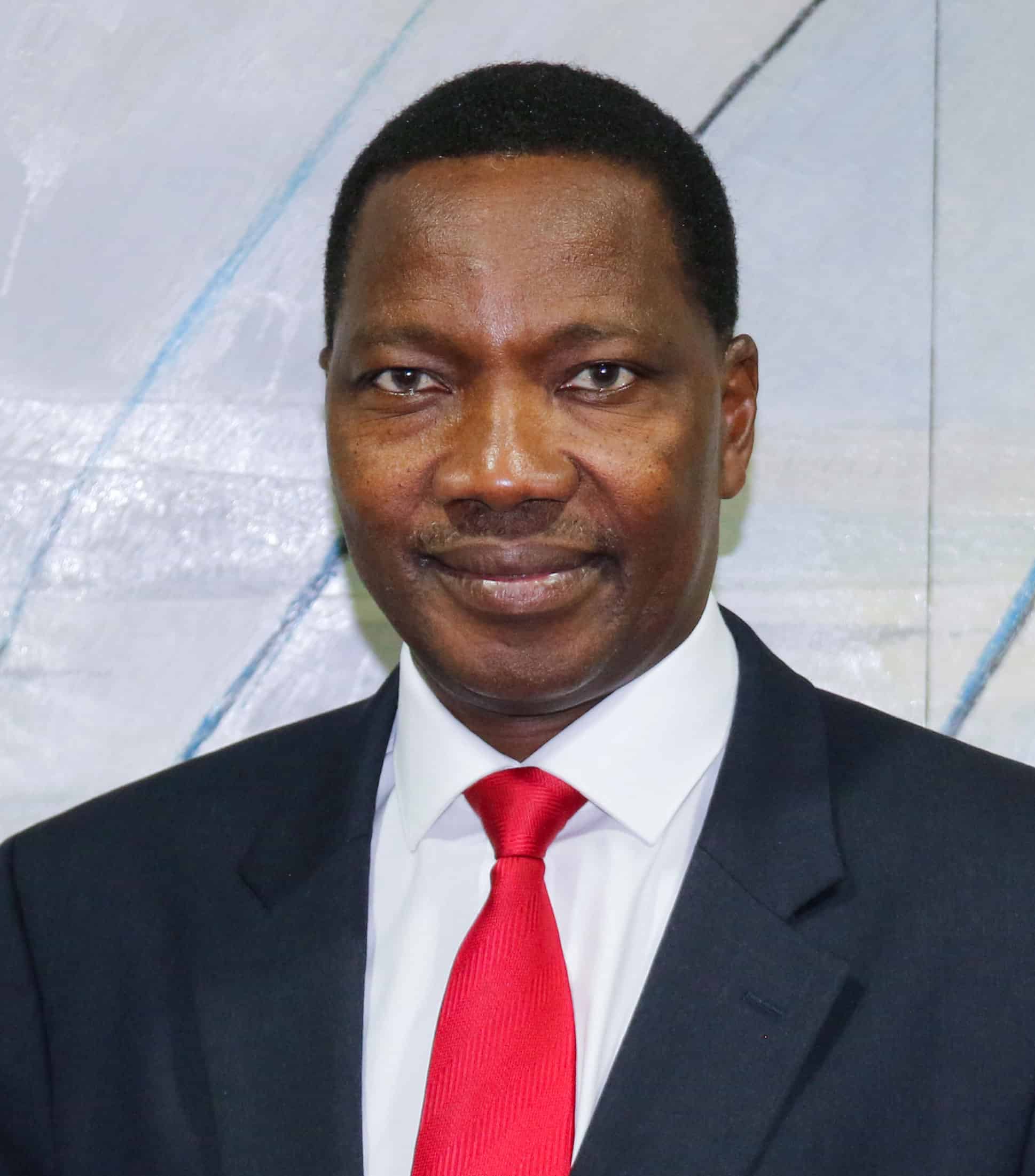
Rogério Lucas Zandamela
C+
In August, Governor Zandamela marked a decade at the helm of the Bank of Mozambique. His second five-year term is nearing an end and he has said he is ready to leave. The timing gives him no reason to celebrate, however; Mozambique’s economy is in the doldrums. Having contracted last year, it managed only a 0.1% expansion in the first quarter and prospects for 1% growth in 2026 are minimal.
Public debt has ballooned to $16.8 billion—72.2% of GDP—and inflation reached 7.5% in June, the highest level since May 2023. A persistent foreign exchange shortage is worsening as international reserves fell to a 14-month low of $3.4 billion. Part of the reason was an unexpected decision by the government to fully repay $701 million in IMF debt ahead of schedule.
For the BOM, the challenges are compounded by vulnerabilities in the banking sector. Last year, the industry recorded a massive 38.8% drop in profits to $238 million, from $388 million in 2024. Apart from liquidity challenges, increased lending to the government is threatening stability. The growing problems have left the central bank exposed and fumbling. In July, it held its benchmark interest rate unchanged at 9.25% for the third consecutive meeting.
NAMIBIA
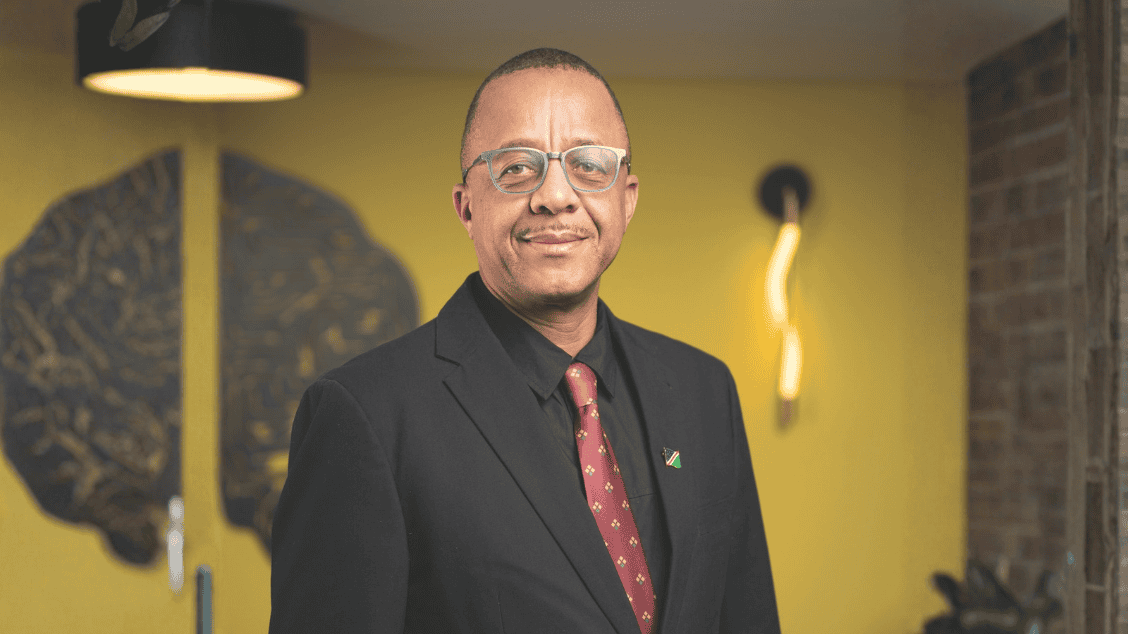
Ebson Uanguta
Too Early to Say
In March, Netumbo Nandi-Ndaitwah was sworn in as Namibia’s new president, making her the country’s first female head of state. In her inauguration speech, she promised economic diversification, easing the country’s overreliance on the slumping mining sector.
Falling global diamond prices have led to a drastic decline in earnings. According to the Bank of Namibia, diamond revenues plunged 32.9% to $672 million last year, down from $984 million in 2023. Given that diamonds contribute roughly 10% of GDP and over one-fifth of export revenues, BON Governor Johannes !Gawaxab warned the situation could get worse after the U.S. slapped Namibian exports with a 15% tariff.
This could adversely impact the central bank’s already squeezed reserves. At the end of July, reserves stood at $3.2 billion, equivalent to 3.8 months import cover. While the bank has no control over external shocks such as these, it has deployed tools to stimulate activity in other sectors, including tourism, trade, transport, and communication.
Ebson Uanguta, who took over as governor Jan. 1, has adopted has adopted a cautious monetary policy. The BON held the repo rate steady at 6.50% in February and April before raising it to 6.75% in June, a level it has since maintained. With Namibia’s private sector credit extension growing by 4.5% year over year in June—moderating from a peak of 4.8% in April—the higher repo rate is considered appropriate to safeguard the peg between the Namibian dollar and the South African rand. It is also keeping the lid on inflation, which has averaged 3.6% this year.
NIGERIA
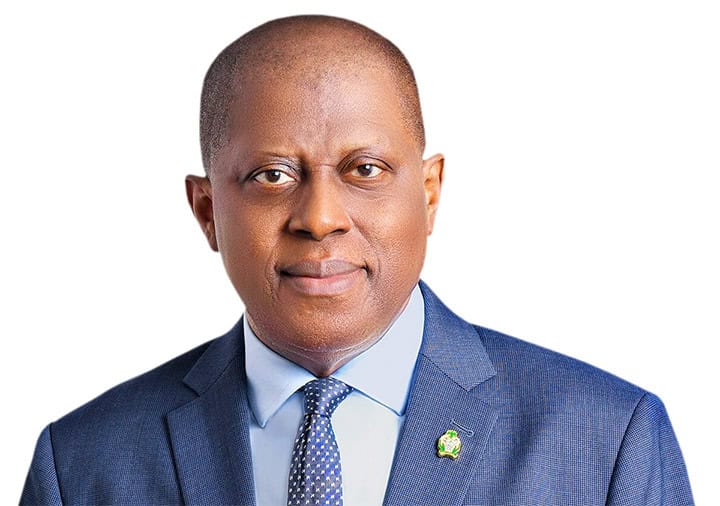
Olayemi Cardoso
B+
When he assumed the governorship of the Central Bank of Nigeria in 2023, Cardoso vowed that orthodox monetary policy would be his mantra, aiming to restore confidence in the economy. Three years later, he is facing pressure to revert to interventionist policies.
Undoubtedly, Nigeria has bounced back, thanks to reforms enacted in recent years. GDP growth in 2025 stood at 3.8% and is projected to accelerate to 4.1% this year, driven by the expanding nonoil sector. Concerns abound, however, that growth is not trickling down; the poverty level is now 63%. Exacerbating the pain is inflation, which hit 15.91% in June, forcing the CBN to maintain a tight monetary policy stance. In February, it cut its benchmark policy rate by 50 basis points to 26.5%, then held it stable at consecutive meetings in May and July.
Tackling the volatility that used to characterize the naira has been a key achievement for Cardoso. This year, the currency stands as Africa’s best-performing, having appreciated by 6.7%. Cardoso has also presided over a banking-sector recapitalization that mobilized $3.3 billion in fresh capital and overseen Nigeria’s removal from the FATF grey list.
RWANDA
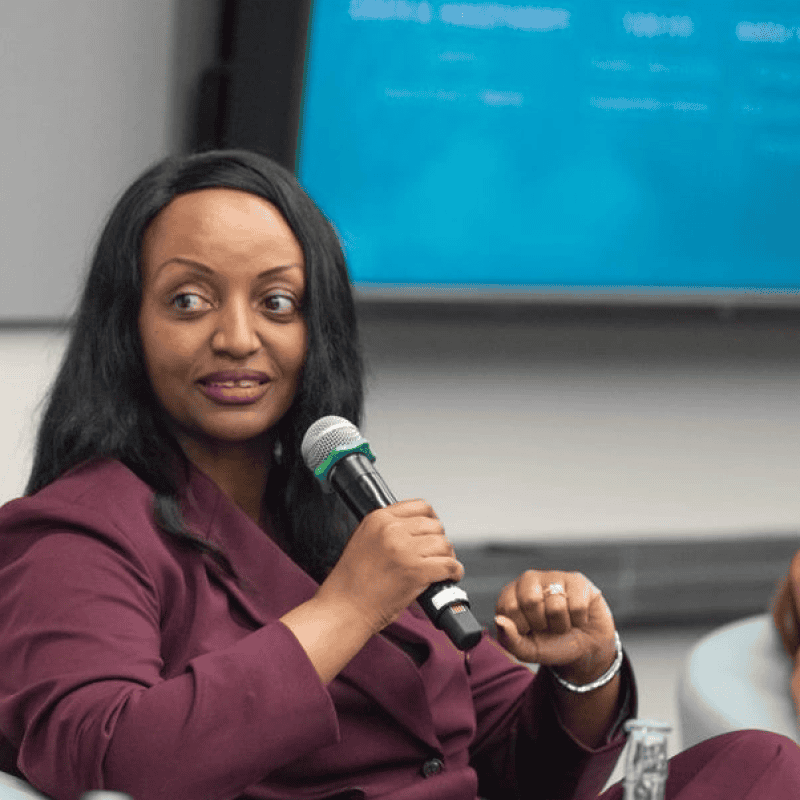
Soraya Hakuziyaremye
C
The National Bank of Rwanda has been on a quest to secure absolute autonomy. In June, it got its way after parliament passed a new law establishing a clear recapitalization mechanism and protecting the central bank’s leadership and decisionmaking organs from external interference.
For BNR Governor Hakuziyaremye, this is critical, considering the BNR has had to make some tough and unpopular decisions. Case in point is tackling skyrocketing inflation, which hit double digits at 13.6% in June. To arrest the surge, the central bank has tightened monetary policy, raising its key lending rate in May by 100 basis points to a 17-year high of 8.25%. The goal is to steer inflation back toward the 5% target rate and sustain robust economic performance.
Last year, GDP growth stood at 9.4% and is forecast at 6.8% this year. A new $250 million IMF financing program is expected to add vibrancy, specifically in shoring up squeezed reserves that hover around $2.2 billion. In the financial sector, the BNR is concerned that the explosion in mobile money could create systemic risks, given that mobile devices processed transactions worth 161% of GDP last year.
SOUTH AFRICA
Lesetja Kganyago
A
Online gambling has become a major issue in South Africa. Last year, a staggering $91.5 billion was wagered, a 31.3% year-on-year increase. Based on the amounts being wagered and rising gross gambling revenues, the surge could pose systemic vulnerabilities for the financial sector in the future, said Kganyago, governor of the South Africa Reserve Bank.
The country nevertheless boasts a vibrant financial sector. Last year, the top five banks generated a combined $9.2 billion in profits. That makes the industry a bright spot in an economy that remains in tatters due to external and internal troubles including political instability, corruption, high unemployment, and civil unrest. Growth is projected at 1.1% this year.
Despite the challenges, Africa’s longest serving central bank governor remains steadfast about ensuring macroeconomic stability. Surging inflation has forced the SARB to tighten monetary policy; in May, it raised its repo rate by 25 basis points to 7%, the first hike since 2023, then left the rate unchanged in July. The previous month, inflation rose to a two-year high of 5%. With inflation expected to stay above 4% in the coming months, the SARB has indicated more interest rate hikes could be on the cards.
TANZANIA
Emmanuel Tutuba
A–
In June, the Bank of Tanzania celebrated its 60th anniversary. President Samia Suluhu Hassan used the occasion to challenge the central bank to lower borrowing costs and widen credit access to vulnerable groups like women, youth, farmers, and micro businesses.
Credit to the private sector remains vibrant, averaging 24%, but ensuring even distribution is critical for Tanzania, a country whose economy is among the fastest growing but where inequality and poverty remain rampant. This year, GDP is forecast to expand by 5.9%. Inflation, however, has accelerated to its highest level in three years, reaching 4.2% in June. The BoT has responded with a tighter monetary policy; after leaving the policy interest rate unchanged at 5.75% for the third consecutive time in April, it raised the rate 50 basis points to 6.25% in July. The object is to ensure inflation remains within the target range of 3% to 5%.
On a brighter note—literally—the BoT is enjoying the success of its domestic gold-buying program, which has amassed 28 tonnes of gold worth $3.6 billion in just 20 months. The program has been instrumental in strengthening reserves, which increased to $6.8 billion, equivalent to five months of imports cover.
TUNISIA
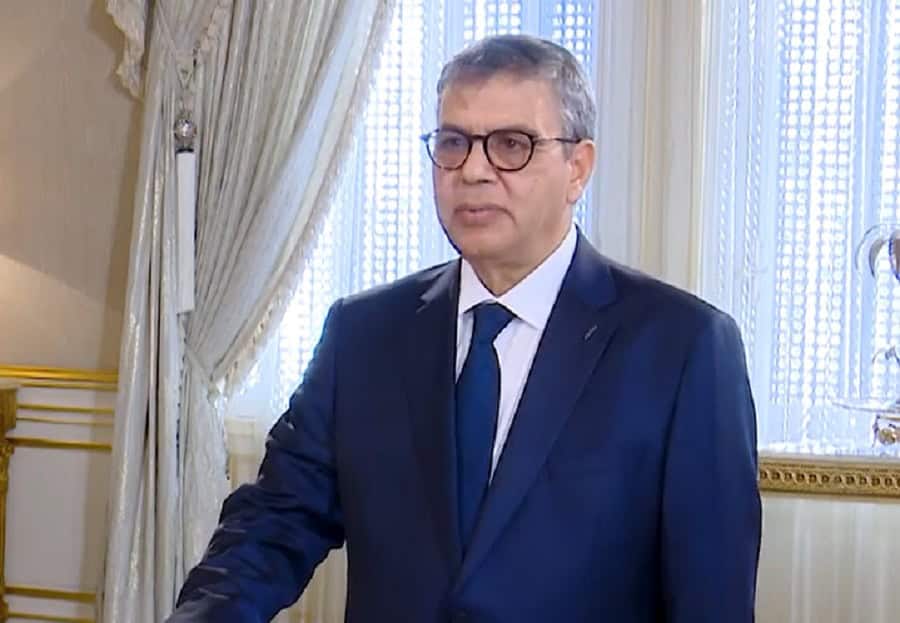
Fethi Zouhair Al-Nouri
D+
Tunisia continues to endure a deep economic and institutional paralysis. This year, GDP growth is expected to reach a modest 2% but the broader perception remains that of a country increasingly closed off to global finance. In 2023, President Kais Saied rejected reforms meant to unlock a $1.9 billion IMF loan, dismissing the measures as “diktats.” Since then, the Central Bank of Tunisia (BCT) has faced growing pressure to finance the government. This year again, Tunisia relied on BCT borrowing to service its external debt. This raises questions about the regulator’s independence and sends a negative signal to investors.
Since our last assessment, Governor Nouri has cut the main policy rate by 50 basis points to 7%. While this should support borrowing, investment and economic activity remain weak. Inflation has decreased over the last two years but is still above 5% and most households live in precarious conditions.
Banking sector development is constrained overall. Local lenders suffer from weak asset quality, low capitalization, and high levels of nonperforming loans (16%), “hindering their ability to absorb potential losses,” according to S&P Global. Last year, Nouri introduced reforms requiring local banks to adopt Basel III-compliant capital rules and strengthen solvency standards by yearend 2026. The authorities plan to implement IFRS 9 as well by the end of 2027. While these measures will pose difficulties for weaker lenders, they aim to improve supervision over time.
UGANDA
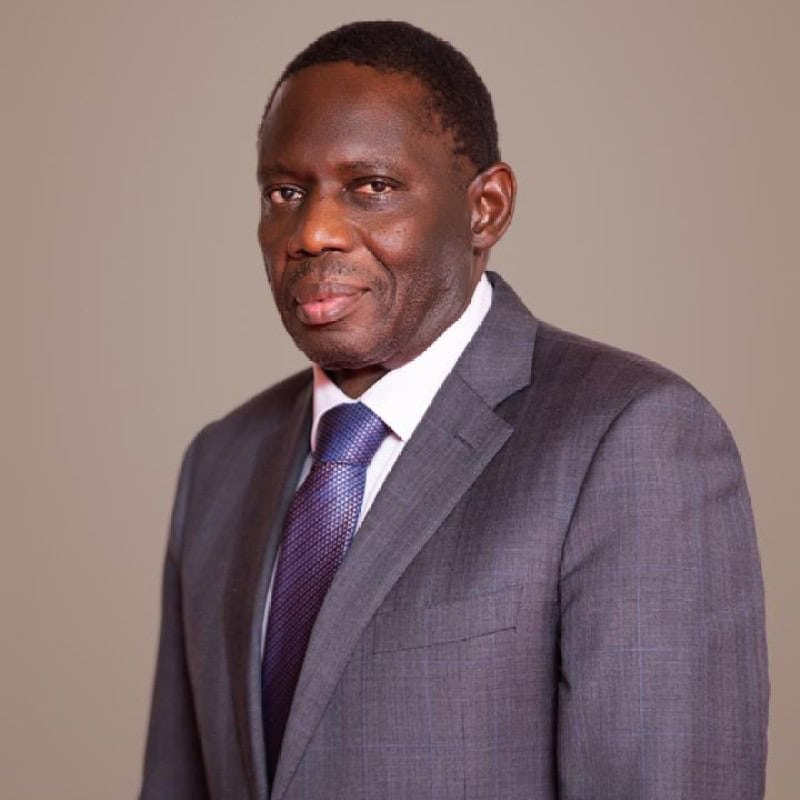
Michael Atingi-Ego
B
Uganda is finally on the cusp of raking in crude oil windfalls after years of investment and agonizing wait. The first oil exports are slated for this year, with the government set to earn $602.4 million in revenues in the 2026-2027 financial year.
Bank of Uganda Governor Atingi-Ego is highly vested in the crude project, demonstrating his support with a tour of the Kingfisher oil field. The industry is significant not only for government revenues but for job creation, FX inflows, and economic development. Uganda’s economy is expected to expand 10.2% this year; the oil sector is expected to add further dynamism to exports that are currently driven by gold, cocoa, and coffee and have pushed reserves to record highs.
Over the 12 months ended in March, central bank reserves ballooned by 68% to $6.1 billion. The surge, coupled with inflation that is rising moderately and a largely stable local currency, has prompted the BOU to adopt a cautious monetary approach. In May, it kept its benchmark rate at 9.75%, where it has remained unchanged since October 2024. The BOU is exercising caution as to opening the market to cryptocurrency and blockchain technologies, although it is watching closely how its peers are managing the introduction of these technologies.
ZAMBIA
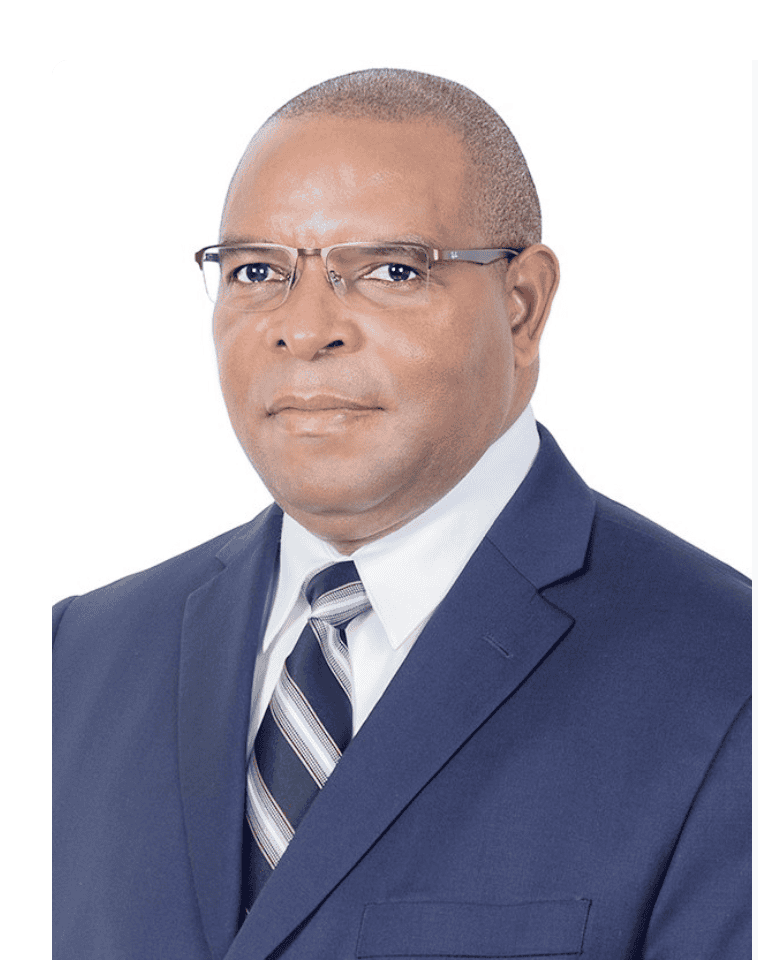
Denny H. Kalyalya
B+
Toward the end of last year, Zambia became the first African country to formally accept Chinese yuan for mining taxes and royalties. At face value, the move demonstrates Beijing’s growing influence and determination to rival the U.S. dollar’s position in the global economy. For the Bank of Zambia, it means lower dollar demand along with reduced currency conversion costs and streamlined debt repayment to China. Of the country’s approximately $23.4 billion external debt, about a third is owed to Beijing. Foreign reserves at the central bank have soared to $6.2 billion, thanks to the BoZ’s prudent management policy.
The IMF projects 4.3% GDP growth this year. Inflation has declined sharply and is expected to average 6.8% this year compared to 13.9% in 2025. The local currency, the kwacha, appreciated by 14.8% in the first quarter. The stable macros have given the BoZ headroom for monetary policy easing. In May, it lowered its policy rate 25 basis points to 13.25%, the third consecutive cut. But dedollarization efforts are proving a hard nut to crack, as evident in the banking sector, where 38.3% of total assets are still foreign currency denominated.
ZIMBABWE
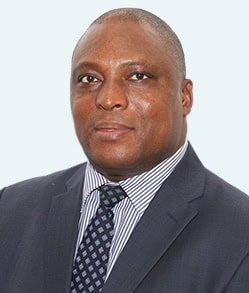
John Mushayavanhu
B
Zimbabwe’s political class has a penchant for flouting democratic norms. President Emmerson Mnangagwa, 83, is no exemption, having extended his term to 2030 instead of leaving office in 2028. Such political machinations risk denting Zimbabwe’s stellar economic renaissance story.
Mushayavanhu, Reserve Bank of Zimbabwe governor since 2024, has been instrumental in the turnaround, particularly by tackling hyperinflation, ending currency chaos, and stabilizing reserves. Last year, growth hit 8.3%; it is projected to expand 5% this year. Thanks to a prolonged tight monetary policy stance, inflation has dropped from peak levels of 95.8% in July 2025 to single digits; it stood at 3.2% in July, prompting the RBZ to ease up. In June, it cut its policy rate by 500 basis points to 30%, the first such move since the introduction of the ZiG currency in April 2024.
The ZiG gains are owed in part to a drastic reduction in U.S. dollar dependence. To eradicate dollarization, the RBZ is releasing a new series of ZiG banknotes. A major concern for the central bank, however, is the dominance of a few lenders in the banking industry; of Zimbabwe’s 13 commercial banks, six account for 70.1% of total assets.
The Americas
ARGENTINA
Santiago Bausili
A-
During the past year, Argentina’s economic situation kept improving. While it is no secret that Bausili serves at the pleasure of Argentine President Javier Milei and conducts monetary policy in line with the government’s desires, Bausili still presents a return to a more orthodox economic policy compared to that of the previous Peronist government. This year, under Bausili’s leadership, the central bank has purchased more than $10 billion in hard currency and brought the government close to hitting the IMF’s net reserves target for the end of 2026.
“We would give the president of the Banco Central de la República Argentina, Santiago Bausili, an ‘A’ for his performance. The central bank chief has had to navigate an incredibly tricky macroeconomic environment, with weak domestic demand and declining but still elevated inflation; and he has done so skillfully for the most part,” said Ash Khayami, a senior country risk analyst at BMI, a Fitch Solutions company.
While market observers point to the central bank’s lack of independence from the finance minister and the government, they also broadly praise the bank’s success in accumulating much-needed foreign exchange reserves over the past 12 months. “I think that the central bank has done its part. Despite potential pressures on the exchange rate, it has accumulated reserves—and I think the central bank deserves credit for that,” said Benito Berber, chief economist for the Americas at Natixis CIB.
BAHAMAS
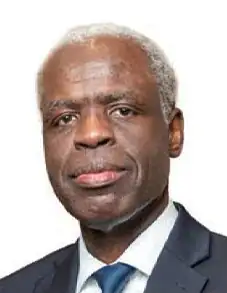
John Rolle
B+
The Bahamas saw a 2.8% GDP increase in 2025, mostly supported by tourism and construction. The growth rate in 2026 is also expected to be good, with the IMF forecasting a 2.1% increase. Inflation is under control: It was 0.6% in 2025 and is estimated to be 1.6% in 2026.
The fiscal position continued to improve in the last fiscal year, according to the IMF. “Driven by tax revenues and expenditure-containment, the primary balance remained in surplus andthe fiscal deficit narrowed to 0.5% of GDP in the financial year 2024/25.” Since the country is on a currency peg with the dollar, the improved condition of public finances helps the monetary policy’s credibility.
The central bank has been working on improving and modernizing the payment system. “The authorities remain committed to modernization of the domestic payments system and to boosting financial inclusion,” the IMF wrote. “They underscored the SandDollar’s positive impact especially on the scattered islands of the archipelago, with limited access to banking services.”
BOLIVIA
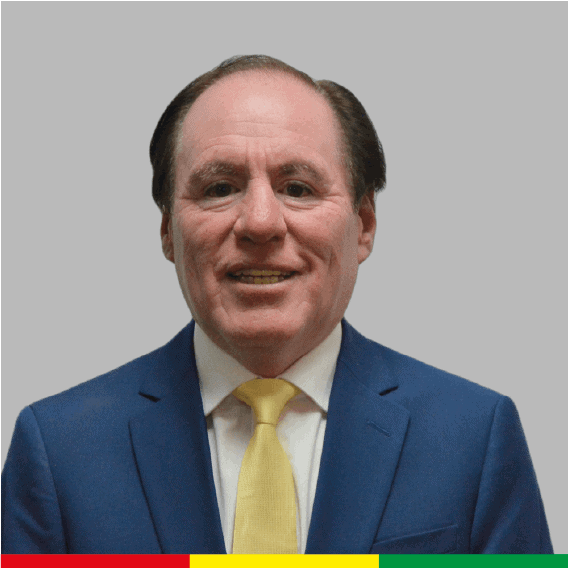
David Espinoza
Too Early to Say
Bolivia is in the middle of a severe political and economic crisis. The election of October 2025 marked the end of two decades of dominance by left-wing parties, a period characterized by a fixed exchange rate and sizable fiscal deficits. This situation became unsustainable after years of declining natural gas production and a sharp fall in international reserves. The new president Rodrigo Paz swore in David Espinoza as the new governor of the Central Bank of Bolivia.
The country eventually shifted in June 2026 to a flexible exchangerate regime, resulting in an immediate depreciation of roughly 30%. The reform was intended to eliminate distortions created by the dual exchange-rate system, improve external competitiveness, and facilitate negotiations with the IMF. However, it also increased inflationary pressures in the short run and generated significant political opposition. The central bank has supported major reforms that many international observers—including the IMF—had long recommended. At the same time, macroeconomic conditions remain extremely difficult. Inflation has increased following the exchange-rate adjustment, and foreign reserves remain low. Restoring confidence in the financial system will require sustained fiscal adjustment and renewed external financing.
BRAZIL
Gabriel Galípolo
B+
During the past year, Brazil maintained its traditional hawkish stance. “If we measure performance solely by one metric—anchoring inflation expectations—they haven’t done particularly well. That said, it’s not easy for the Brazilian central bank to anchor inflation expectations through its policy rate alone, because fiscal policy and the current government’s broader stance are pushing expectations in the opposite direction,” said Joan Enric Domene, chief economist for Latin America at Oxford Economics in Mexico City.
Appointed by Brazilian President Luiz Inácio Lula with expectations to keep interest rates relatively low, Galípolo has defended the central bank’s independence and has earned praise from economists for a hawkish stance, inherited from his predecessor. Economists point out that inflation indicators all suggest that inflationary pressures are easing and that monetary policy should ease.
“The general perception of Galípolo is that he has retained the technical character of the central bank and has pushed back against the government’s impulse to lower policy rates much more aggressively. For that, I think he’s doing a good job. It’s hard to argue for lower rates when inflationary pressures are already coming down,” said Natixis’ Berber.
CANADA

Tiff Macklem
B+
The Bank of Canada has kept its benchmark policy rate at 2.25% after a single 25 basis-point cut in October 2025, opting for a cautious approach amid a highly uncertain economic backdrop. Economists say the central bank initially underestimated the weakness in the domestic economy but ultimately avoided major policy mistakes.
“They haven’t been brilliant at understanding what’s going on, but they also haven’t made any major mistakes,” said Stephen Brown, chief North America economist at Capital Economics. While he believes the BOC was initially too slow to cut rates, he argues that its decision to stay on hold ultimately proved appropriate. Falling core inflation and rising unemployment would likely have prompted further easing had it not been for the oil-price surge linked to the Iran conflict, justifying a more cautious stance.
Joshua Grundleger, director in Fitch Ratings’ Sovereigns Americas group, said the BOC has had to balance a weak economy and soft labor market against higher headline inflation driven by the oil shock. By keeping rates steady while remaining ready to tighten or ease if needed, the central bank has strengthened market confidence. However, persistent geopolitical uncertainty and recurring supply-side shocks suggest policymakers still face challenging conditions ahead.
CHILE
Rosanna Costa
A
During the past year, Chile maintained a steady stewardship of the economy. “Governor Rosanna Costa has led the Central Bank of Chile since February 2022 and has a strong track record of bringing inflation down toward the bank’s 3% target while helping anchor inflation expectations. Inflation has fallen sharply, from a peak of 14.1% in August 2022 to 2.4% in February 2026, alongside a gradual reduction in the policy rate from 11.25% to 4.5%,” said Forrest Cyr, a Latin America country risk analyst at BMI, a Fitch Solutions company.
Despite external supply-side pressures, the central bank maintained the course over the past year. “The BCCh has weathered the oil shock well, helping keep inflation expectations anchored over the policy horizon and containing second-round effects. It has shown a pragmatic and credible approach to policy,” said Francisco Campos Ortiz, chief LatAm economist at Deutsche Bank.
Economists say the central bank’s stability reflects Chile’s long-standing institutional credibility. “The big story in Chile is not the central bank but the new government’s sweeping economic reform bill. In that sense, the central bank has not been a factor—neither negative nor positive,” said Natixis’ Berber.
COLOMBIA
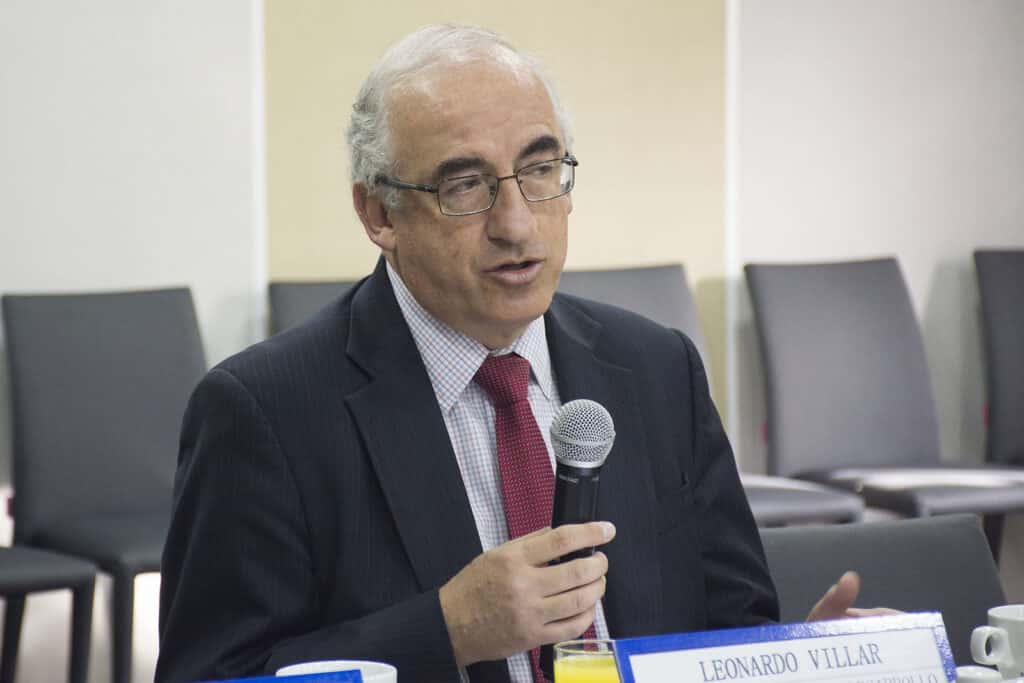
Leonardo Villar
B+
Several economists lauded Banco de la Republica Governor Villar for his leadership and performance “not only for the last few months, when central bank independence has faced unprecedented challenges from the government, but also for his longer-term implementation of monetary policy over the past several years,” said BMI’s Khayami.
The country has institutional shortcomings in the stewardship of monetary policy that “eroded the credibility of the monetary framework,” said Deutsche Bank’s Campos Ortiz. “Yet, the actions taken by an orthodox majority have partially compensated for the structural deficiencies.”
Some say that the central bank was excessively aggressive in holding high rates. “We all support the notion that they have stood against the political pressures to cut rates; but one thing is cutting rates, and another thing is aggressively hiking rates more than even markets expected,” says Oxford Economics’ Domene. “They got surprised by the increase in the minimum wage, and they did the right thing by increasing then in Q1; but the problem is what they have done in Q2, or they could keep doing in Q3.”
COSTA RICA
Róger Madrigal López
A
Costa Rica had a slightly negative inflation, equal to about -0.1%, in 2025; and the forecast for 2026 is around -0.4%. At the same time, the economy has maintained a healthy growth rate, equal to 4.6% in 2025 and projected to be 3.6% in 2026.
The IMF’s Report for the 2026 Article IV Consultation concludes that Costa Rica continues to display “very strong economic fundamentals,” successfully weathering external shocks despite increased global uncertainty. According to the IMF, “Monetary policy should stand ready to bring inflation and inflation expectations back to target in a sustained way. The real policy rate is above staff estimates of neutral, and inflation would remain below the central bank’s target until at least 2029 … This appears to be clear evidence for a reduction in the policy rate. However, the expected pass-through of higher global commodity prices (e.g., oil, grains, and fertilizers) to headline inflation provides some room for a pause in monetary easing.” Fiscal performance remains strong following years of consolidation. The IMF Executive Board also reaffirmed Costa Rica’s qualification for the Flexible Credit Line, a precautionary facility reserved for countries with exceptionally strong policy frameworks. Overall, the medium-term outlook remains favorable, although downside risks from the external environment warrant continued policy prudence.
DOMINICAN REPUBLIC
Héctor Valdez Albizu
A-
In 2026, the monetary policy of the Dominican Republic has remained focused on preserving price stability while supporting a recovery in economic activity after the slowdown experienced during 2025. Inflation was just under 3.9% in 2025 and is projected to be about 5.1% in 2026. These numbers are roughly in line with the target of 4%, plus or minus 1 percentage point. The GDP rate of growth was 2.1% in 2025, and the forecast for 2026 is around 3.7%.
Following the easing measures introduced during late 2024 and maintained through much of 2025, the central bank adopted a largely neutral monetary stance in 2026. The exchange rate continued to adjust gradually under a managed floating regime, with the bank intervening only to smooth excessive volatility rather than defend a specific exchange rate level.
In November 2025, the latest IMF Article IV consultation concluded that the Dominican Republic remained one of the strongest-performing economies in Latin America and the Caribbean, supported by sound macroeconomic policies, political stability—and an investor-friendly business climate.”
EASTERN CARIBBEAN CENTRAL BANK
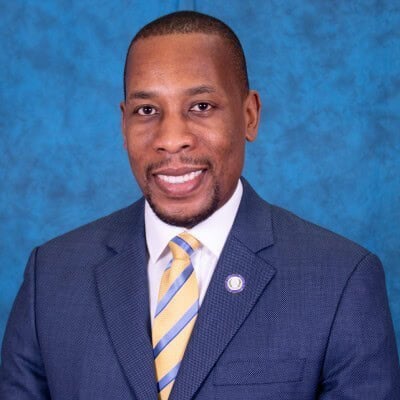
Timothy Antoine
B+
The Eastern Caribbean Central Bank is the monetary authority for a group of eight island economies forming a monetary union. The members are Anguilla, Antigua and Barbuda, Dominica, Grenada, Montserrat, Saint Kitts and Nevis, Saint Lucia, and Saint Vincent and the Grenadines. The currency is the Eastern Caribbean dollar (EC$), pegged to the dollar since 1976, with $1 worth EC$2.70.
In the ECCB’s annual report for the financial year ended March 31, 2026, the bank says that total assets increased by 8.9% to almost EC$6.7 billion (about U.S.$2.5 billion), primarily due to higher foreign reserve assets. Total liabilities rose to nearly EC$6.2 billion, and total equity increased to EC$520.5 million, reflecting the bank’s solid financial position. Overall, there appear to be no problems with the bank’s ability to sustain the peg.
“The currency union continues to serve as a strong anchor for macroeconomic stability in a shock-prone region, despite emerging pressures,” according to the IMF, “although large current account deficits persist—mainly financed by foreign direct investment—stable reserves and a strong currency backing ratio at the Eastern Caribbean Central Bank continue to underpin confidence in the currency arrangement.”
ECUADOR
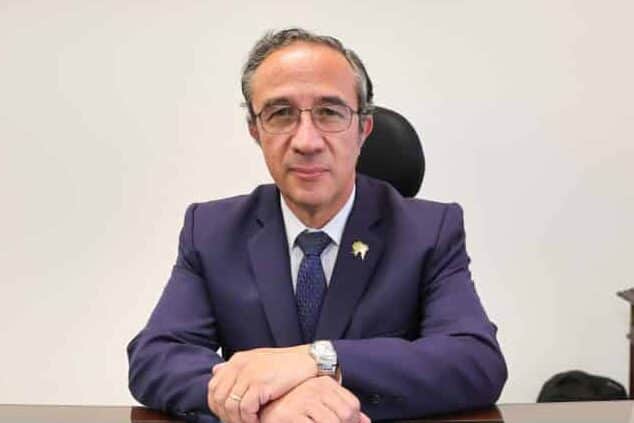
Jorge Ponce Donoso
Too Early to Say
Ecuador has a dollarized economy, with limited margins for monetary policy. The main benefit of dollarization is to help keep inflation low. The IMF forecasts the rate of growth for consumer prices in 2026 to be just under 2.9%, while real GDP growth is expected to be about 2.5%. In 2025, GDP grew more than 3.7% and inflation was about 0.7%. The central bank changed leadership at the end of 2025 with the appointment of Jorge Ponce Donoso, who replaced Guillermo Avellán.
The country has a deal with the IMF for an Extended Fund Facility (EFF) arrangement, which was augmented in July 2025. The IMF’s ongoing economic monitoring for Ecuador in 2026 is anchored by continuous reviews under the EFF.
In an End-of-Mission press release published at the end of March, following the fifth review under Ecuador’s EFF arrangement, the IMF states: “Ecuador successfully returned to international capital markets in January 2026 (a key objective of the EFF-supported program) for the first time since 2019, with a bond issuance of $4 billion (including a debt buy-back operation of $3 billion). Accordingly, government deposits have improved, helping mitigate financing and liquidity risks. In addition, the authorities continue advancing their ambitious structural reform agenda to safeguard financial stability, enhance governance, and boost private investment and job-rich growth.”
EL SALVADOR

Douglas Pablo Rodríguez Fuentes
C+
El Salvador remains a fully dollarized economy, giving its central bank little room for monetary policy action. Inflation was close to zero in 2025 but is forecast to increase to 2.5% in 2026. Real GDP growth remains strong: 3.7% in 2025 with a projection for 2026 of 3.3%. In February 2025, the IMF approved a $1.4 billion bailout, with the first tranche disbursed in June. The deal, under an EFF, ended bitcoin’s legal tender status and limited government involvement in cryptocurrencies. It is supposed to last 40 months up to the end of 2028.
During 2026, implementation focuses on maintaining fiscal consolidation, strengthening governance, rebuilding international reserve buffers and enhancing financial-sector resilience. Because El Salvador cannot use conventional monetary policy, the EFF emphasizes policies that reinforce confidence in the dollarized economy rather than adjusting interest rates. The IMF also continues to support reforms limiting fiscal and financial risks associated with bitcoin, including reduction of public-sector involvement and ensuring that bitcoin’s use remains voluntary in the private sector.
GUATEMALA
Alvaro González Ricci
A
Guatemala’s economy is showing good performance, with real GDP growth of 4.1% in 2025 and a forecast of around 3.9% in 2026. Inflation remains low and under control: about 1.6% in 2025 and projected to reach around 2.6% in 2026. Guatemala maintained prudent macroeconomic policies, combining fiscal discipline with increased public investment in infrastructure and social programs. The key monetary policy instrument of the Bank of Guatemala (Banguat) is the policy interest rate. As of August, the policy rate stands at 3.5% following a 25 basis-point reduction in February. The central bank has maintained this rate since then, citing subdued inflation and stable macroeconomic conditions.
The Article IV mission report published by the IMF in June states that “Banguat’s cautious approach to policy easing has, in hindsight, proven appropriate amid heightened uncertainty surrounding commodity prices and external conditions. Well-anchored inflation expectations point to continued policy credibility, while ample reserve buffers provide Banguat with room for maneuver in conducting monetary policy less dependent of U.S. Fed policy movements.” The IMF also points out that “the banking system remains sound, with strong capital and liquidity buffers and solid profitability.”
HONDURAS
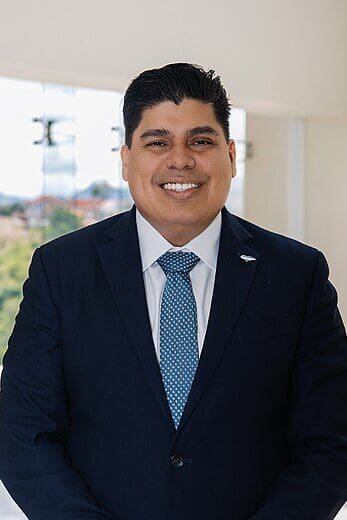
Roberto Lagos
Too Early to Say
In September 2023, Honduras entered into an EFF agreement with the IMF. The country maintains a crawling band for its currency, the lempira, with the U.S. dollar. Honduras changed its central bank governor in January due to the transition to a new presidential administration following elections at the end of 2025.
The IMF Executive Board completed its fourth and fifth reviews of Honduras’ EFF and Extended Credit Facility arrangements in June, making available approximately $242 million in additional financing. The central bank continued reforms, allowing the lempira to adjust to market conditions and improving the functioning of the foreign exchange market. These measures, together with prudent liquidity management, helped anchor inflation expectations, reduce external imbalances, and enhance confidence in the monetary framework.
Real GDP is projected by the IMF to grow approximately 3.3% in 2026, with inflation averaging about 4.4%, reflecting continued macroeconomic stability. International reserves remain at comfortable levels, the banking system is well capitalized, and sovereign borrowing costs have declined, indicating continued investor confidence. Honduras remains vulnerable to slower global growth, fluctuations in commodity prices, tighter international financial conditions, natural disasters, and changes in remittance flows from Hondurans living abroad.
JAMAICA
Richard Owen Byles
A
Jamaica was devastated by Hurricane Melissa in October 2025. The storm forced fiscal and monetary authorities to adopt emergency measures. The IMF supported this effort, providing $415 million through the Rapid Financing Instrument under the large natural disaster window. The temporary fiscal expansion needed to respond to the catastrophe and the supply constraints created by the destruction of infrastructures and production plants inevitably put some pressure on prices. Nevertheless, monetary policy remained focused on price stability under the Bank of Jamaica’s inflation-targeting framework. Exchange rate flexibility was maintained as the primary absorber of external shocks, while adequate international reserves and central bank credibility helped anchor inflation expectations.
The IMF concluded that Jamaica’s strong fiscal institutions, independent central bank, and prudent macroeconomic policies provide the basis for effective response to the disaster without harming medium-term debt sustainability. According to the note released in January, “Staff is confident that the authorities will pursue appropriate policies based on their strong track record and policy commitments as well as a robust institutional framework for macroeconomic management.”
Similar conclusions are contained in a note of the Inter-American Development Bank: “Overall, Hurricane Melissa was a catastrophic natural disaster from which Jamaica will take several years to recover. But Jamaica had developed an exceptional financing framework that made critical resources available to the government in the immediate aftermath of the disaster to support relief efforts.”
In August, Byles’ seven-year tenure as governor ended and Brian Langrin succeeded him.
MEXICO
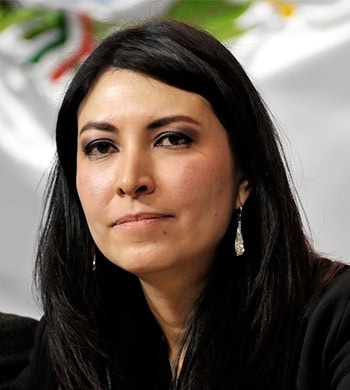
Victoria Rodríguez Ceja
B+
The approach of the Mexican Central Bank (Banxico) in the past year appears to be somewhat risky. “Banxico’s dovish governing board under Governor Victoria Rodríguez Ceja faced significant criticism for pushing ahead with a rate-cutting cycle in H1 2026, despite above-target inflation and a challenging global backdrop,” said Conor Beakey, head of Latin America country risk at BMI, a Fitch Solutions company. “The sharp easing of inflationary pressures, particularly after food-price growth slowed in mid-2026, may offer some vindication; but we believe any victory lap could be premature.”
Other economists argue Rodríguez was right to support the economy. “Rodríguez, who was the key voice on the board pushing for lower rates, deserves credit,” said Natixis’ Berber.
However, risks remain. “We still think the cuts may have come too early. There was insufficient evidence that disinflation would continue, and Mexico remains highly exposed to risks surrounding the [United States–Mexico–Canada Agreement]. That said, given the weak economy and difficult environment, the central bank has handled the situation fairly well,” said Oxford Economics’ Domene.
NICARAGUA
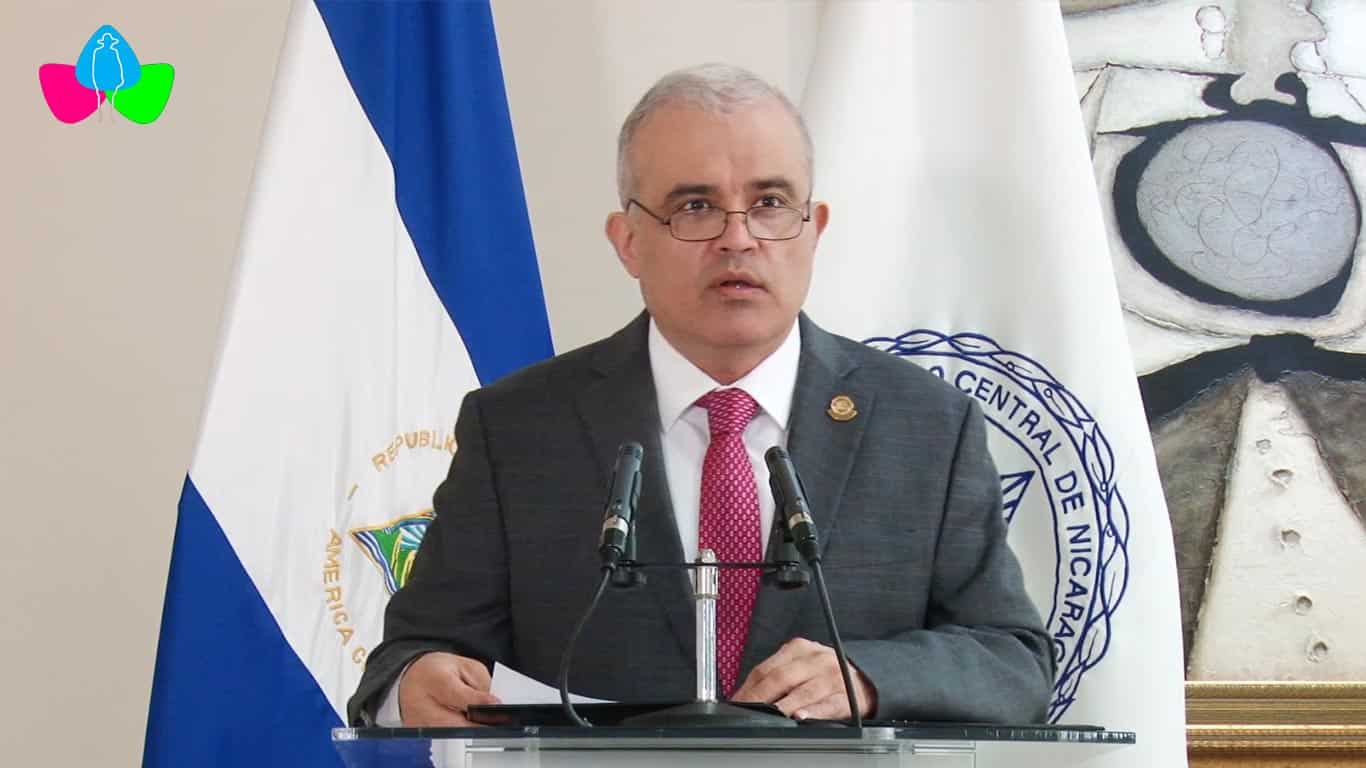
Leonardo Ovidio Reyes Ramirez
B+
Since January 2024, the Central Bank of Nicaragua (BCN) has kept the national currency, the córdoba, at a fixed exchange rate of 36.8 to the U.S. dollar. The IMF’s 2025 Article IV consultation for Nicaragua, published in January, observes that the Nicaraguan economy has remained resilient despite a challenging external environment. Real GDP growth was 4.9% in 2025 and the forecast for 2026 is around 3.8%, helped by exports, remittances and private consumption. Inflation is under control, the IMF forecast is 3.5% in 2026.
The IMF staff writes that they “welcome the authorities’ continued commitment to safeguarding fiscal sustainability and building buffers while supporting growth and recommend additional measures.” Given the fixed exchange-rate policy, a prudent fiscal policy is needed to anchor expectations. On the monetary side, the central bank has appropriately eased its policy stance as inflationary pressures receded. The IMF report comments that “monetary policy should continue preserving price and external stability and the BCN should continue strengthening monetary policy transmission. The ongoing easing of the monetary policy stance and the announced rate of crawl of 0% for 2026 are appropriate given external conditions and the macroeconomic and financial policy mix.”
PARAGUAY
Carlos Carvallo Spalding
A
With one of the highest rates of growth in the region, Paraguay is a darling of international investors; and its central bank is operating smoothly. GDP expanded by 6% in 2025 and is projected to increase by 4.2% in 2026, driven by broad-based sectoral growth, including double-digit expansion in agriculture and strong contributions from services and industry.
“The BCP has held rates steady at 5.5% since February 2026 and has rightly taken a cautious stance amid lingering risks from the U.S.-Iran conflict. The bank is in no rush to move, with inflation below the midpoint of the central bank’s target range, expectations anchored, and Paraguay still maintaining one of the fastest growth rates in the region,” says Shanna Bober, a Latin America country risk analyst at BMI, a Fitch Solutions company.
Bober added, “The BCP is also likely to stay on hold to support the guaraní, which is expected to depreciate modestly in H2 2026 after a strong start to the year. That strength partly reflects growing investor confidence in Paraguay’s policy credibility and macroeconomic stability, making it one of the region’s steadier stories. With the policy rate now at what the bank considers a neutral level, we expect the BCP to remain on hold through the rest of 2026.”
PERU
Julio Velarde Flores
A+
The 74-year-old Julio Velarde was reappointed in July for a fifth consecutive five-year term at the request of then President-elect Keiko Fujimori. Velarde has showed a steady and secure hand in managing monetary policy over 20 years, and also built a strong institution that economists believe will continue to thrive after his departure.
“Despite Peru’s highly turbulent political environment in the past decade, the [Central Reserve Bank of Peru] under Julio Velarde has preserved its reputation for prudence and policy credibility. Velarde is expected to remain as governor for now, but attention is increasingly turning to succession planning,” says Beatriz Garcia-Nunes, economist at Deutsche Bank in New York.
“I think there are enough people below Velarde that, when he steps down, there won’t be much disruption. Velarde is highly credible with the markets and, at the same time, has remained very well respected politically within Peru,” said Natixis’ Berber.
“To that extent, he has stayed above the political infighting, and that will be the challenge for his successor. But I think he has developed a very credible team beneath him. I doubt there will be any issues with the succession when he leaves,” Berber added.
SURINAME
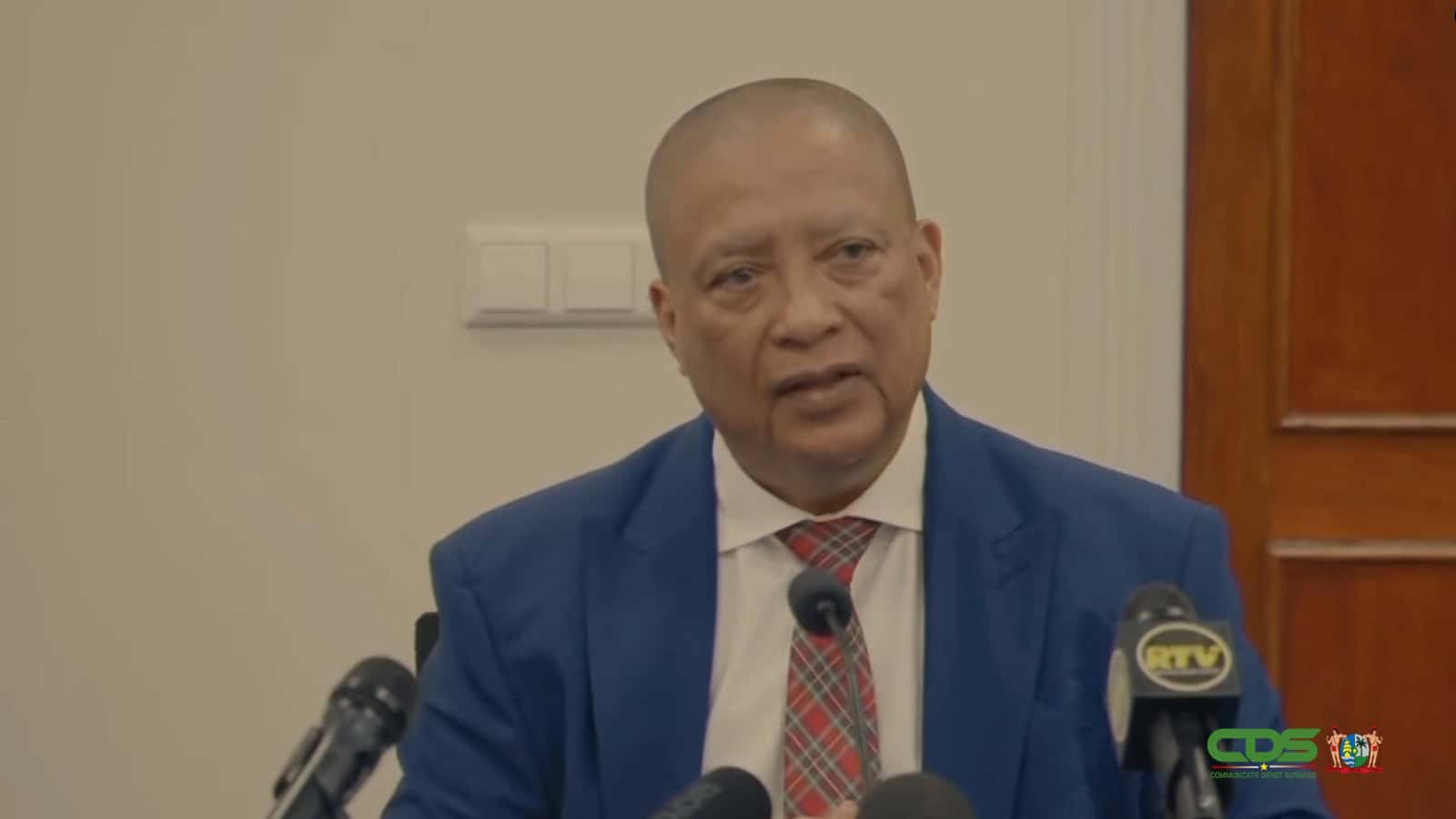
Maurice Roemer
B
After a period of economic and institutional turmoil, including the arrest of a two former central bank governors, Suriname entered into an EFF agreement with the IMF at the end of 2021. This has led to some reforms and helped the country to emerge from bankruptcy. The EFF program was completed in March 2025.
In its Post-Financing Assessment of the country, published in June, the IMF claims that Suriname has made substantial progress in restoring macroeconomic stability, but significant vulnerabilities remain. Despite political uncertainty surrounding the May 2025 elections, economic growth remained resilient, with real GDP projected to grow by about 3.9% in 2026. Inflation has fallen dramatically from the 59.1% experienced during the 2021 crisis, but the forecast for 2026 remains a relatively high 11.8%.
Despite the difficult conditions, the IMF judges that the Central Bank of Suriname has substantially strengthened its policy framework, maintaining a market-determined exchange rate and rebuilding international reserves.
TRINIDAD AND TOBAGO
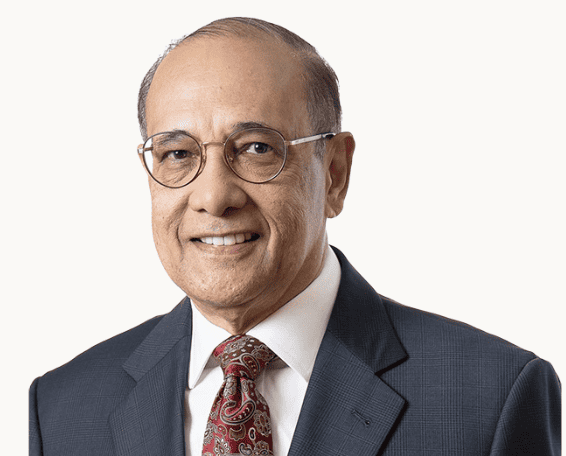
Larry Howai
B
Larry Howai, a former finance minister and senator of the ruling party, was appointed governor of the Central Bank of Trinidad and Tobago (CBTT) in June 2025, after the previous governor was fired before the ending of his term. The IMF’s 2026 Article IV consultation finds that Trinidad and Tobago’s economy continues its gradual recovery. The CBTT maintained price stability. Inflation was 1% in 2025 and the forecast for 2026 is 1.8%.
The banking system is well capitalized, and the share of nonperforming loans is low. Weaknesses appear in the foreign exchange market. International reserves declined to just under $5.4 billion at end-December 2025 from $5.6 billion at end-December 2024. A widening interest-rate differential with the United States has contributed to capital outflows. Overall, the IMF concludes that the CBTT has preserved financial stability but should play a central role in addressing external imbalances, safeguarding international reserves, and ensuring that monetary policy remains consistent with medium-term price stability and sustainable economic growth.
UNITED STATES
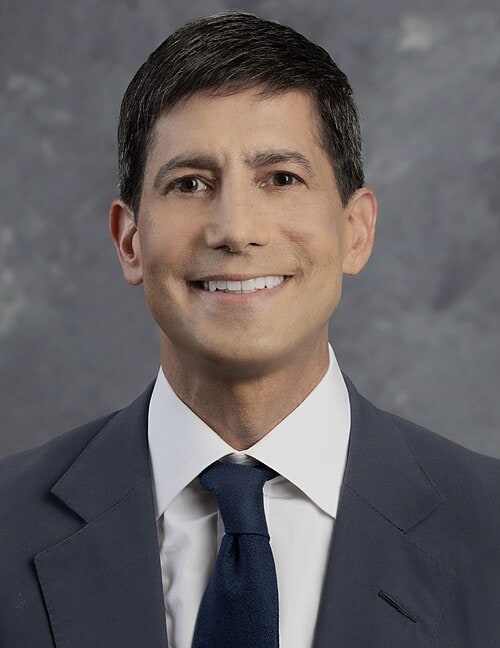
Kevin Warsh
Too Early to Say
Kevin Warsh became chair of the Federal Reserve in May. To date, he seems to have dispelled fears that he would politicize the Federal Reserve. “I think he’s doing a good job so far,” said Stephen Brown, chief North America economist at Capital Economics. “There was concern he might become politically involved, but I don’t think he’s shown those signs. His comments have skewed hawkish, and he’s made it very clear that he is committed to price stability and getting inflation back to 2%.”
Olu Sonola, head of U.S. Economics at Fitch Ratings, said concerns that the new Fed chair might become a political “puppet” have largely faded. “The Supreme Court decisions against the administration have helped.”
Christopher Hodge, chief U.S. Economist at Natixis CIB, notes that while Warsh had criticized the volume of Fed communications, “Since he’s been chair, we’ve had just as much communication—it has just been from him.” Hodge added that Warsh appears comfortable with dissent within the policymaking committee, although it remains unclear whether he can build sufficient support to steer policy in his preferred direction.
URUGUAY
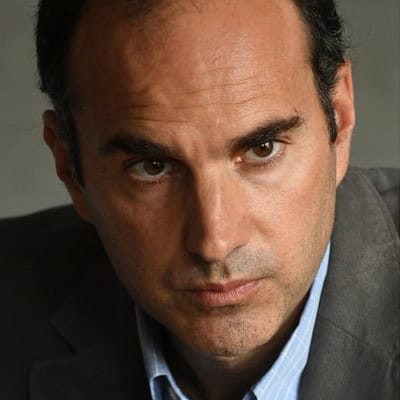
Guillermo Tolosa
B
In March, the Central Bank of Uruguay (BCU) cut its policy rate by 75 basis points to 5.75%, its seventh consecutive reduction, bringing interest rates to their lowest level since January 2022. Since then, BCU Governor Guillermo Tolosa has put the easing cycle on hold. Inflationary pressures stemming from the Iran conflict are now leading economists to question whether the BCU could soon begin a tightening cycle.
Uruguay is a small, open and partially dollarized economy, where a large share of bank deposits and corporate debt is denominated in U.S. dollars. This leaves the country exposed to external shocks while the central bank conducts monetary policy in Uruguayan pesos.
“We expect the policy rate rise to 6.25% by end-2026, particularly if a stronger global dollar, a more restrictive Fed stance, or renewed exchange-rate pressures lead to a less favorable inflation environment. That said, today’s communication suggests that the bar for tightening has increased somewhat, reflecting the board’s assessment that inflation expectations remain well anchored and that the recent pickup in inflation is largely transitory,” Itaú Unibanco analysts Diego Ciongo and Soledad Castagna wrote on the FocusEconomics website on the day of the BCU’s July 1 meeting.
VENEZUELA
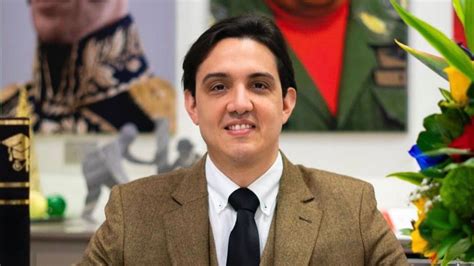
Luis Alberto Pérez González
Too Early to Say
Luis Alberto Pérez González took over as acting president in April. He replaced Laura Carolina Guerra Angulo, who had resigned. The country remains characterized by hyperinflation and economic instability.
Following the change in government, Venezuela also formally reestablished ties with the IMF after a seven-year absence. Calixto Ortega was appointed Venezuela’s representative to the IMF, allowing the country to regain its voice and voting rights within the international organization. One of the most significant aspects of this development is the possibility of accessing approximately $5 billion in Special Drawing Rights, funds that the Venezuelan government was previously unable to use.
The central bank has emphasized that Venezuela is heading toward a period of “normalization” in the second half of 2026, supported by the easing of U.S. sanctions. Pérez González said exchange rate and inflation trends are expected to remain broadly in line with those seen in 2024, a period marked by relative stability.
Asia-Pacific
AUSTRALIA
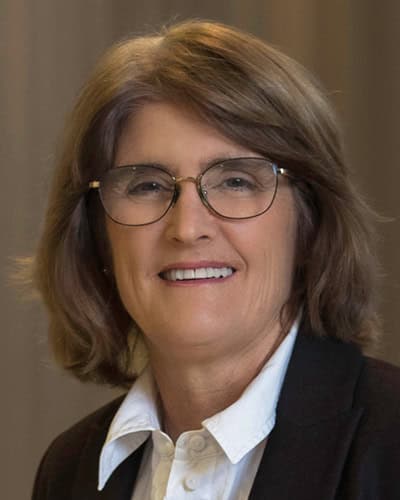
Michele Bullock
B+
The Reserve Bank of Australia Board under Governor Bullock reduced the cash rate from 4.35% to 3.6% in the first half of 2025, then tightened back up in early 2026 as inflation rose above the RBA’s 2% to 3% target, overshooting to 4% in the year to May. Productivity has been essentially flat since 2016, according to the Australian Bureau of Statistics, causing Australia’s persistent inflationary undercurrent.
Throughout this period, Bullock’s market communication has been transparent and RBA policy action data-driven, while external supply shocks, including oil-price volatility, have been met with measured discipline rather than sudden overreaction. The cash rate was restored to 4.35% in three steady moves.
“These [external] shocks have occurred against a backdrop of persistently weak productivity growth, which has weighed on real incomes and wages for many years. Reversing that is central to improving Australians’ living standards over the longer term,” Bullock said in a speech in July, in her characteristically cool rhetorical style.
The economy is cooling broadly as intended with no abrupt collapse in activity. GDP grew at 0.3% in the first quarter on a quarter-over-quarter basis and is forecast to grow at 1.9% for 2026 by the International Monetary Fund. At the same time, inflation fell 20 basis points to 3.8% in June, vindicating the rate hikes earlier in the year.
BANGLADESH
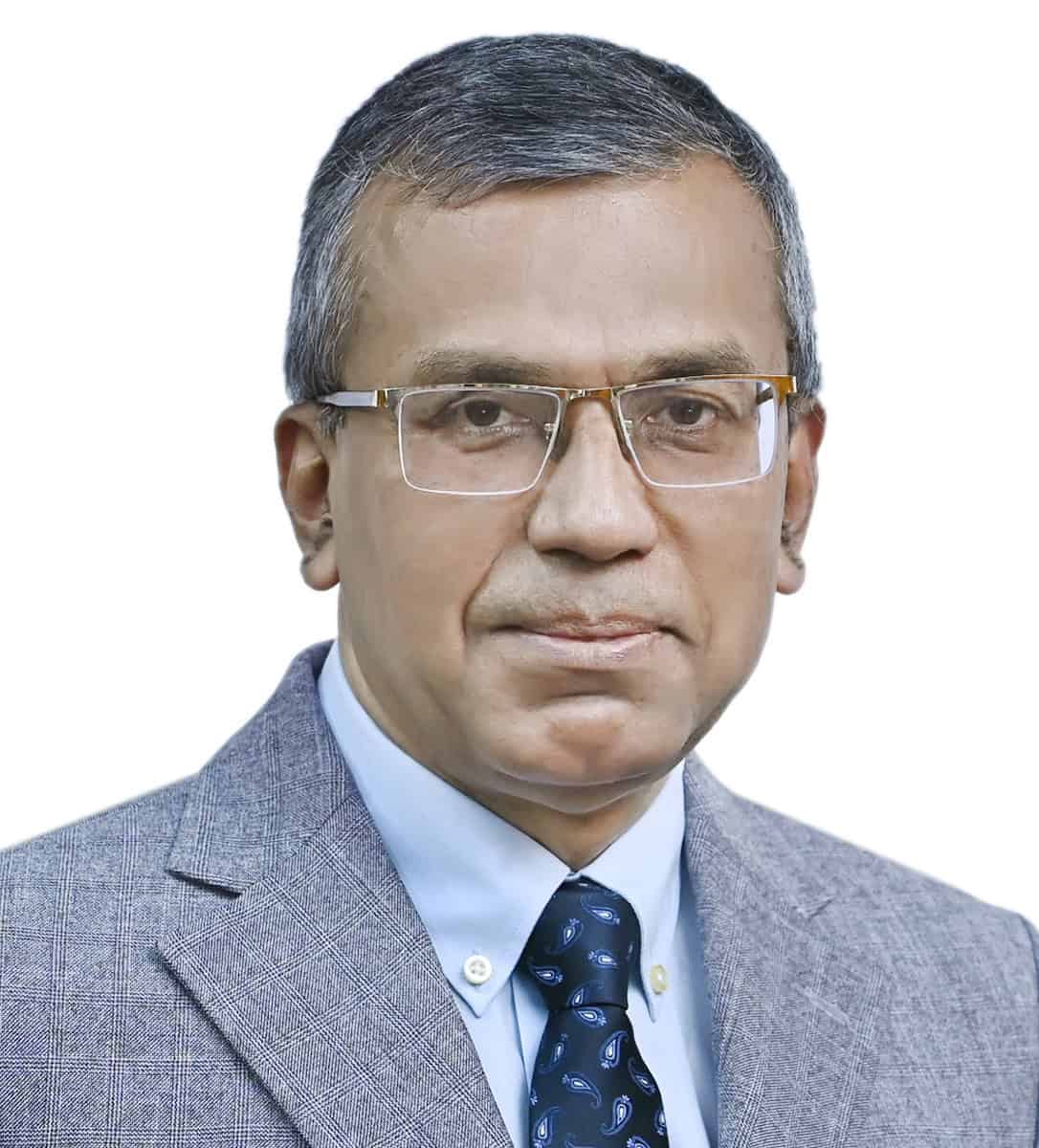
Mostaqur Rahman
Too Early to Say
Rahman succeeded Ahsan Mansur as Bangladesh Bank governor in late February and has broadly maintained his predecessor’s tight monetary stance, holding the policy rate at 10% initially then trimming it by 50 basis points. Inflation eased from a peak of 11% to 12% to the 8% to 9% range by early 2026, although it remained above the central bank’s target.
Foreign exchange reserves are healthy at around $35 billion supported by stronger overseas worker remittances, a more flexible exchange-rate regime introduced in mid-2025, and central bank net currency purchases.
Much-needed banking reforms have progressed as the country wrestles with the turmoil that surrounded the self-imposed exile of Prime Minister Sheikh Hasina in August 2024. Banks’ true nonperforming loan levels were disclosed—a devastatingly high 30% to 35%. In addition, five weak Islamic banks were merged, debt restructuring resolution frameworks were introduced and some distressed institutions financially stabilized.
Within the context of the country’s ongoing political disruption, growth remained subdued—the Asian Development Bank predicts 3.7% for 2026—and private credit weak, a new status quo that is likely to persist until full-scale debt restructuring is completed. The new governor has boosted this process by unveiling an 18-month NPL roadmap.
CAMBODIA
Chea Serey
A-
Growth moderated to an estimated 5% to 5.3% in 2025 and is projected to be 3.9% in 2026 amid weaker tourism, construction and real estate stress, border issues and global headwinds.
The National Bank of Cambodia under Governor Serey maintained an accommodative stance, kept the riel relatively stable, and held solid international reserves (around $25.3 billion in the first half of 2026). The consumer price index averaged just 2.5% last year and is forecast by the Asian Development Bank at 4.5% for 2026.
Banking capital buffers remained robust even as gross nonperforming loans rose toward 10%, with the central bank intervening via supervisory measures and liquidations of sanctioned institutions—including Prince Bank, which is linked to the Prince Group and described as a “transnational criminal organization.”
Usage of the Bakong digital payment system—blockchain-based infrastructure supporting riel and U.S. dollar transfers—continued to expand. It processed over 1.3 billion transactions in 2025 and roughly 1 billion (valued at $136 billion) in the first half of 2026, with strong growth in Khmer riel volumes.
Merchant acceptance increased to millions of points, with new cross-border QR links adding Singapore, India and Laos, among others. This has boosted financial inclusion and gradual de-dollarization efforts without forcing currency shifts.
CHINA

Pan Gongsheng
B+
Since his appointment as governor in 2023, Gongsheng has steered the People’s Bank of China with a steady, reformist, technocratic hand, prioritizing framework modernization and eschewing aggressive monetary stimulus in favor of liquidity management, targeted credit and moves to further internationalize the renminbi.
Amid external pressures and slowing domestic demand—which helped pull down second quarter GDP growth to a 3.5-year low of 4.3%, upping the pressure to meet the government’s full-year 5% growth target—he maintained a relatively loose stance while containing systemic risks. The disinflationary pressure that built up in 2025 has persisted, but deflation has been averted. The CPI for July rose to just 0.5%, while the producer price index fell from 4.1% in June to 3.5%.
The seven-day reverse repo rate was cemented as the main policy rate, within a narrowed interest-rate corridor, overnight facilities were refined, and secondary-market government bond operations were resumed with the aim of boosting domestic liquidity and smoothing short-term rate volatility.
At the Lujiazui Forum in June, Pan announced six measures advancing renminbi internationalization, including an RMB repo facility for foreign official institutions, offshore RMB/FX trading pilots in Shanghai, and further support for Hong Kong and panda bonds. Structural tools continued to channel credit toward priority sectors, including technology-related lending, green finance, and trade finance for micro, small and medium-size enterprises.
HONG KONG
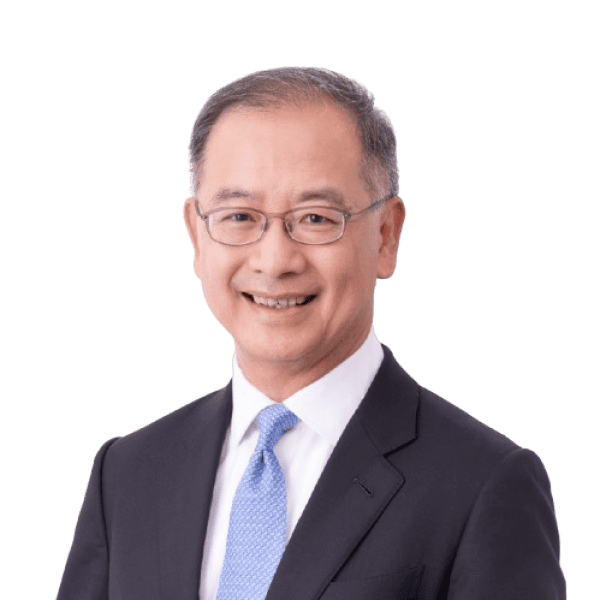
Eddie Yue
B+
Eddie Yue, CEO of the Hong Kong Monetary Authority (HKMA), has kept a close eye on the U.S. dollar: Hong Kong dollar interest rate differential this year, which has opened up an attractive carry trade via which speculators can borrow in cheap Hong Kong dollars and reinvest the proceeds in U.S. dollar assets.
This has caused prolonged weakness in the Hong Kong unit over the course of this year and put the trading band that restricts the US$:HK$ exchange rate in a 7.75-7.85 band under severe pressure.
The HKMA has been actively intervening in the foreign exchange market over the summer, having intervened 11 times since late June. It drained over HK$3.37 billion (about U.S.$433 million) in liquidity in one week in a bid to boost Hong Kong dollar funding costs and deter carry trades—a successful intervention that boosted the local unit to a three-month high.
Elsewhere, Yue has spearheaded a drive to boost the use of digital currencies in the city-state. As of July, 22 Hong Kong banks had been licensed to distribute digital assets onshore, resulting in a rise of more than 200% in transaction volume versus the previous year. He has overseen the Stablecoin Ordinance, which came into effect in August, establishing a licensing regime for fiat-referenced stablecoin issuers—to regulate their issuance, offering, and marketing in Hong Kong—and positioning the HKMA as supervisor and enforcer.
INDIA
Sanjay Malhotra
A
The epithet “Goldilocks economy” would be music to the ears of any central bank governor running the economy in question. That music has been playing for Malhotra since he took the helm of the Reserve Bank of India in December 2024.
He inherited a challenging economic landscape but hit the ground running with a cumulative policy rate cut of 125 basis points in 2025, taking the repo rate to 5.25%, enabled by super-low inflation. These moves helped propel GDP growth to an estimated 7.6% in fiscal 2025-26 and makes India the world’s fastest-growing major global economy, according to data from the Organization for Economic Cooperation and Development.
Regulatory simplification—consolidating thousands of circulars into master directions—and greater accessibility improved the banking environment and central bank policy transmission. This highlights Malhotra’s reformist mindset, which aims to reduce the notoriously heavy red tape in India’s business environment.
The central bank has held a neutral stance in 2026. The CPI is projected at around 5% for fiscal year 2027—1% above the target—while growth is forecast to hit 6.7%. Malhotra has stressed price stability as his primary mandate but presiding over turbocharged economic growth is considered a welcome side effect.
INDONESIA

Destry Damayanti
Too Early to Say
Perry Warjiyo, governor of Bank Indonesia from 2018 until his abrupt resignation in late July, oversaw a challenging final year marked by concerns about BI’s independence in the face of expansionary fiscal policy and external supply pressures.
BI’s benchmark rate was cut five times in 2025 by a cumulative 125 basis points, bringing it to 4.75% by September. It remained there through early 2026, containing inflation within the bank’s 1.5% to 3.5% target. But when external supply pressures and Middle East geopolitical shocks began severely damaging the currency, this monetary policy accommodation had to be reversed. A hike of 50 basis points in May, followed by two hikes of 25 basis points in June, lifted the rate to 5.75%, as the rupiah plummeted to an all-time low of 18,000 per U.S. dollar.
The rapid rate cycle underscores the nimbleness that characterized Warjiyo’s eight-year tenure as BI governor. His sudden departure for personal reasons left markets unsettled, underscoring both his longterm stabilizing role and the intensifying challenges of balancing monetary autonomy with an expansionary government economic policy.
Destry Damayanti, BI’s senior deputy governor since 2019, became interim governor upon Warjiyo’s resignation. President Prabowo Subianto later nominated her to be the new governor, closing speculation that he would nominate his nephew, Thomas Djiwandono, who is a deputy governor. Damayanti was sworn in Sept. 2, becoming the first woman to take on the role on a permanent basis.
JAPAN

Kazuo Ueda
B+
Since assuming the helm of the Bank of Japan in April 2023, Kazuo Ueda has guided a measured but decisive normalization—to use his phrasing—of Japanese monetary policy away from roughly three decades of “zirp” (zero interest rate policy). He raised the policy rate to 0.75% in December 2025 and then to about 1% in June 2026, representing its highest level in 31 years.
Ueda’s comments on Japan’s economic conditions since the last hike have been hawkish, cautioning against inflationary pressure emanating from energy prices, AI-related demand, wage pressures and persistent yen weakness. In July, the BOJ and the U.S. Treasury intervened in FX markets as the yen hit a 40-year low versus the U.S. dollar.
This intervention suggests a proactive mindset that appears to support further—perhaps accelerated—rate tightening. It is a mindset which flies in the face of Prime Minister Takaichi’s reflationary zeal and underscores the BOJ’s independence under Ueda’s leadership.
Ueda announced a pause in the tapering of BOJ’s monthly purchases of Japanese government bonds beginning in April 2027. This fine-tuning is biased to a tightening of monetary conditions but still accommodative to secure sustainable 2% inflation. The CPI rose to 1.7% in June from 1.5% the prior month.
KAZAKHSTAN

Timur Suleimenov
B
Suleimenov, governor of the National Bank of Kazakhstan since September 2023, has not shied away from using aggressive monetary tools to contain recent rampant inflation.
The CPI peaked at 12.9% in September 2025, prompting a 150 basis point hike that pushed the base rate to a record high of 18%. The bank held that rate through the first half of 2026 as inflation eased back to around 10.2% to 10.4%. This cooling of price pressure allowed Suleimenov to start chipping away at rates. He enacted policy rate cuts in June and July totaling 125 basis points, even though he voiced the need to aim toward the 5% medium-term inflation target. Despite the lingering inflationary shadow, GDP grew by 6.5% in 2025 as central bank reserves and National Fund assets strengthened.
KYRGYZSTAN
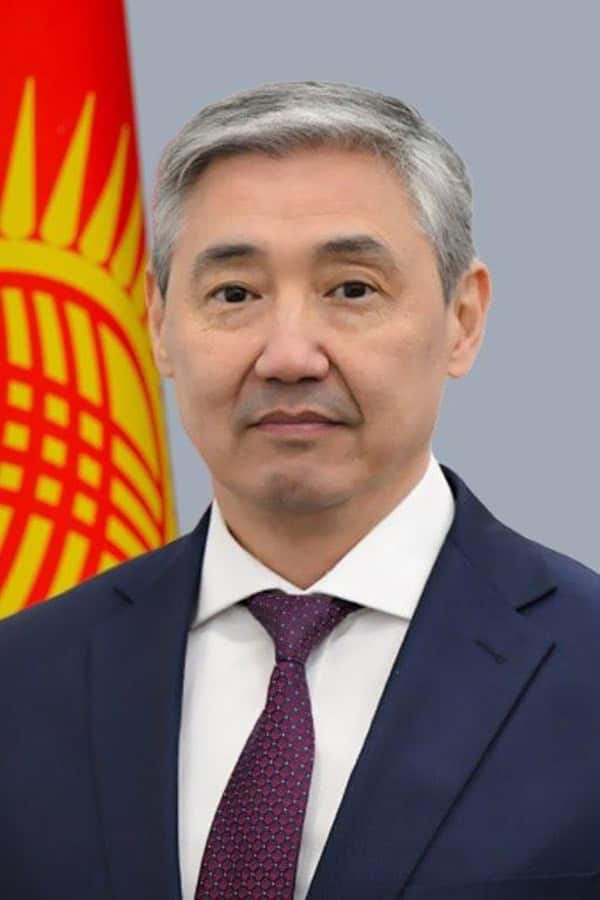
Almaz Baketaev
Too Early to Say
Melis Turgunbaev, who resigned as Kyrgyzstan National Bank’s governor in March, delivered strong results in 2025. International reserves doubled to a record $8.6 billion, helped by surging gold prices. Banking assets in the country and credit grew by over 40%, and digital initiatives, such as the exploration of a central bank digital currency, gathered pace. Turgunbaev raised the policy rate in stages to a range of 11% to 12% as inflation climbed above the 5% to 7% target, reaching 11% by mid-2026. On the plus side, GDP growth was spectacular at 11% to 12%.
Turgunbaev’s successor, Almaz Baketaev, has maintained the 12% policy rate with a keen eye on inflation control.
LAOS

Bounkham Vorachit
B+
Since becoming governor of the Bank of the Lao PDR in June 2025, Bounkham Vorachit has continued the central bank’s effort to stabilize Laos’ often turbulent economy after years of ultra-high inflation and currency pressure.
Inflation fell sharply from double-digit levels—the CPI averaged 23% in 2024—to roughly 7.7% by the end of 2025. Previous monetary tightening and exchange-rate stabilization helped, as did reserve accumulation (reserves reached a record $4.3 billion in early 2026). The much-improved inflationary trajectory allowed the bank to enact policy rate cuts, going from 10.5% to 8.5% in late 2025, then 8% in February and 7% in August.
Its new five-year strategy focuses on stronger oversight, digital banking, and regional connectivity while maintaining a managed exchange-rate framework. Still, high dollarization, debt vulnerabilities, and external shocks continue to constrain policy effectiveness and bake in elevated inflation in relation to regional peers.
MALAYSIA
Abdul Rasheed Ghaffour
B+
Since becoming governor of the Bank of the Lao PDR in June 2025, Bounkham Vorachit has continued the central bank’s effort to stabilize Laos’ often turbulent economy after years of ultra-high inflation and currency pressure.
Inflation fell sharply from double-digit levels—the CPI averaged 23% in 2024—to roughly 7.7% by the end of 2025. Previous monetary tightening and exchange-rate stabilization helped, as did reserve accumulation (reserves reached a record $4.3 billion in early 2026). The much-improved inflationary trajectory allowed the bank to enact policy rate cuts, going from 10.5% to 8.5% in late 2025, then 8% in February and 7% in August.
Its new five-year strategy focuses on stronger oversight, digital banking, and regional connectivity while maintaining a managed exchange-rate framework. Still, high dollarization, debt vulnerabilities, and external shocks continue to constrain policy effectiveness and bake in elevated inflation in relation to regional peers.
MONGOLIA
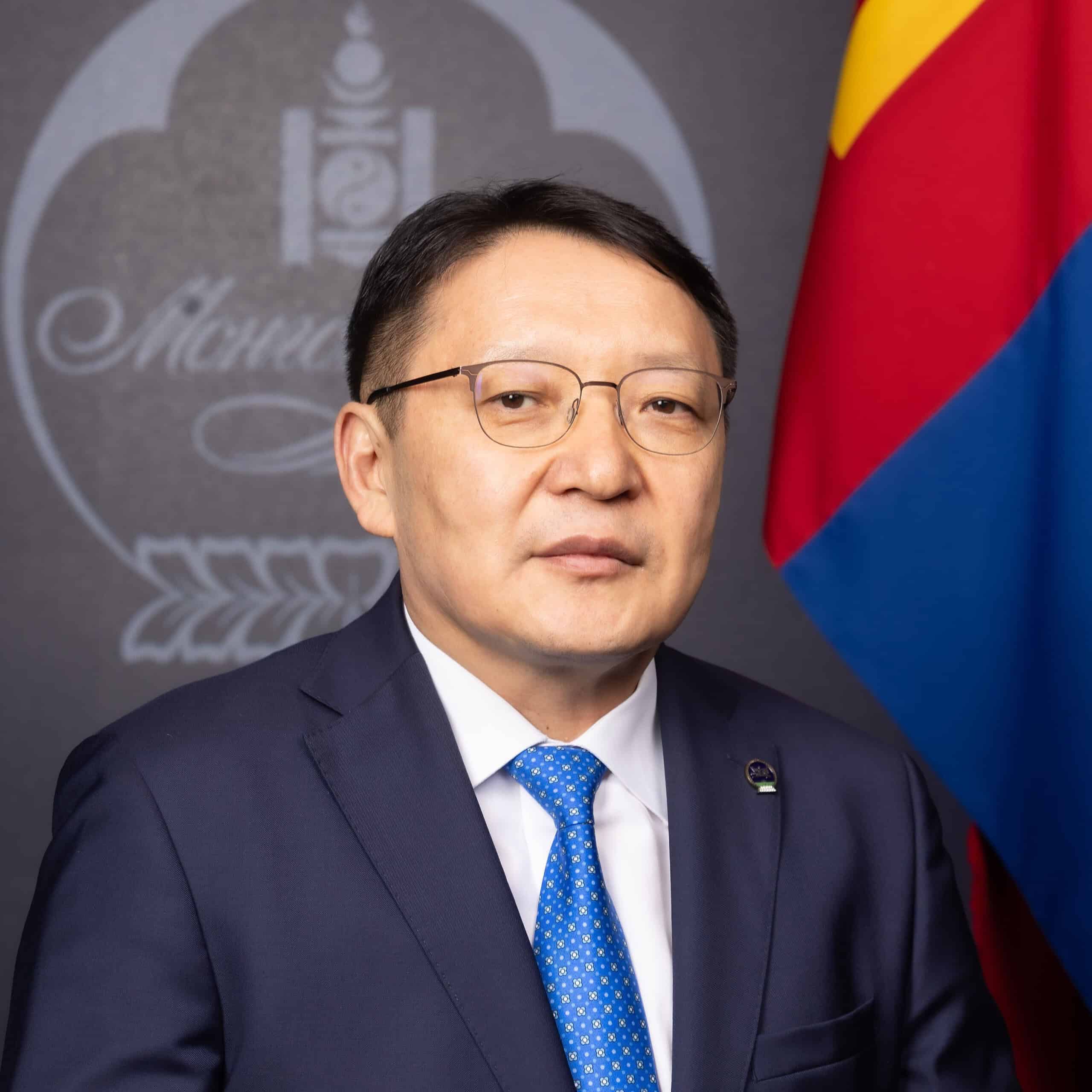
Sanjaa Narantsogt
Too Early to Say
Sanjaa Narantsogt, who was appointed in December 2025 as governor of the Bank of Mongolia, faces significant challenges in a commodity-dependent economy, although his predecessor Byadran Lkhagvasuren left an orderly house behind when he departed after a distinguished six-year term.
Key issues include persistent inflation, which often lands above target, driven by food and fuel costs, fiscal expansion and credit growth. This requires better monetary-fiscal policy coordination to avoid past money-supply excesses that tended to fuel bubbles.
External vulnerabilities are high because Mongolia relies heavily on Russian fuel and Chinese demand for the country’s main exports of coal and copper. Reserves rose to $7 billion to $8 billion under Lkhagvasuren but remain below full adequacy.
Central bank independence is constrained by ambiguous legal mandates, a weak balance sheet, and residual quasi-fiscal roles, such as providing subsidized mortgages. The bank-dominated financial sector needs reform to increase competition—including granting licenses to foreign banks—and the economy must become more diversified, to reduce reliance on mining.
MYANMAR

Khin Naing Oo
Too Early to Say
Khin Naing Oo replaced Than Than Swe as governor at the Central Bank of Myanmar in April, inheriting strict multiple exchange-rate controls, mandatory export-earning conversion—eased from 25% to 15% in early 2026—and priority foreign exchange allocation for essentials. The official rate is fixed at 2,100 kyat per U.S. dollar.
The parallel-market kyat was stable in 2025 and modestly appreciated late in the year, with narrowed transaction spreads supported by overseas worker remittances and reduced central bank interventions. This environment produced a temporary easing of inflation before a fuel shock in March pushed the CPI up to 24.6% year over year a month later, renewing downward pressure on the kyat, according to a World Bank economic report.
Policy rates have remained largely unchanged on Oo’s early watch at around 9% with a continued reliance on administrative tools and liquidity measures rather than aggressive monetary tightening to fight inflation. Myanmar’s economy remains beset by structurally high price pressures, a bifurcated foreign regime and structural distortions. On most measures, the outlook is bleak.
NEPAL
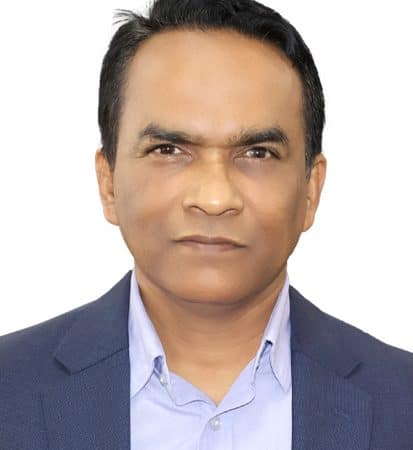
Biswo Poudel
B
Biswo Nath Poudel has led Nepal Rastra Bank since May 2025. Almost immediately on his watch, Nepal’s external stability markedly strengthened, but domestic credit expansion lagged due to low borrowing demand.
Strong overseas worker remittances pushed foreign-exchange reserves to record highs of over $24 billion in June for a healthy 19 months of import cover. And inflation has stayed low for most of his early tenure, briefly hitting 1% to 1.5% before rising to about 5%, which is the target. This has allowed Poudel to adopt a cautiously accommodative stance: He has cut the policy rate to 4.25% and the bank rate to 5.75%, helping support decent GDP growth of 3.85% for fiscal year 2025-26.
Still, private sector credit grew only 5% to 7% year over year, well below the 12% target, despite historically low interest rates and a liquidity surplus of more than 1 trillion rupees (about $6.6 billion) in the banking system.
Key priorities for Poudel include enhancing supervisory oversight of the financial sector and removing Nepal from the Financial Action Task Force grey list, which would improve Nepal’s global financial standing and spur more foreign investment.
NEW ZEALAND

Anna Breman
Too Early to Say
Swedish economist Anna Breman took office in December 2025 as the first female governor of the Reserve Bank of New Zealand. She immediately faced geopolitical and economic headwinds, as the Middle East conflict caused fuel prices to surge, introducing fresh inflationary pressures.
Annual inflation rose above the 1% to 3% target band, hitting 4.1% in the second quarter. The official cash rate was held at 2.25% through midyear, with a consensus hike to 2.50% on July 8. It was the first rate tightening in over three years.
Before Breman’s appointment, successive rate easing starting in late 2024 had resulted in a cumulative 400-basis-point reduction, with the final cut happening just a month before she took office. Her subsequent action suggests she might be an inflation hawk among her dovish colleagues.
PAKISTAN
Jameel Ahmad
B-
Jameel Ahmad has led the State Bank of Pakistan since August 2022, and his tenure has centered on rebuilding external buffers and advancing structural reforms. He aims to steer the financial system through the constraints imposed by the IMF’s Extended Fund Facility and Resilience and Sustainability Facility framework, which has been in place since September 2024.
Foreign exchange reserves rose markedly, climbing past the June 2026 target of $18 billion despite heavy debt repayments. The rupee remained relatively stable, and the current account stayed near balance, supported by overseas worker remittances and official inflows.
This helped restore a measure of market confidence after earlier crises and secure multiple rating upgrades—the latest by Moody’s in August from Caa1 to B3, and by S&P in July from B-minus to B, both with a stable outlook.
On the institutional front, progress continued toward a Riba-free banking system, with hybrid Sukuk launched and a short-term Sukuk framework approved. Digital payments advanced through the rollout of QR-based transactions under Raast, Pakistan’s real-time digital payment system, and upgrades to the PRISM+ system.
Private-sector credit began recovering from a low base after the cash reserve requirement was eased, while financial inclusion targets remained on the agenda.
THE PHILIPPINES
Eli Remolona
A-
In the second half of 2025, inflation in the Philippines remained subdued, in the 1% to 2% range, allowing the Bangko Sentral ng Pilipinas’ Monetary Board, under Governor Eli Remolona, to continue the gradual easing cycle that began in August 2024. It cut a cumulative 225 basis points to February of this year, supporting economic activity despite a volatile peso environment.
Then the scenario shifted as the Middle East conflict drove up global oil and fertilizer prices, a curveball for an agricultural economy that imports much of its oil and petroleum products from that region. Headline inflation rose sharply, to 4.1% in March, 7.2% in April, and 6.8% in May, pushing it well above the 2% to 4% target band.
In response, the board raised the target reverse repurchase rate by 25 basis points in April and again in June, bringing it to 4.75%. Remolona described the moves as measured, aimed at containing second-round effects and anchoring expectations without overreacting.
Meanwhile, weaker public spending and higher energy costs contributed to soft growth. GDP growth averaged 2.6% in the first half of 2026 versus 4.4% in 2025, complicating the inflation-versus-growth trade-off.
SINGAPORE
Chia Der Jiun
A
Chia Der Jiun, who has served as managing director of the Monetary Authority of Singapore since January 2024, was reappointed in May to a term ending May 2028. He has steered the central bank through a period of heightened global uncertainty while maintaining Singapore’s macroeconomic stability and financial center strengths.
Monetary policy has remained carefully calibrated. The MAS maintained an appreciating Singapore dollar nominal effective exchange rate stance through late 2025 and into early 2026, then tightened further in April 2026 in response to rising imported inflationary pressures.
Core inflation remained low—below 1% in 2025—before rising modestly to around 1.4% to 1.5% in the first half of 2026, with market consensus projecting 1.9% for the full year. GDP growth was 5% in 2025, bouncing to an eye-catching 6% in the first half of 2026.
The MAS advanced innovation priorities, including AI adoption, quantum resilience planning, stronger cyber defenses against AI-enabled threats and broad-based growth in the financial sector, reinforcing Singapore’s position as a trusted international financial center. An appreciating investment portfolio helped the MAS record a chunky net profit of S$20.0 billion (about U.S.$15.6 billion) for fiscal year 2025-2026.
SOUTH KOREA
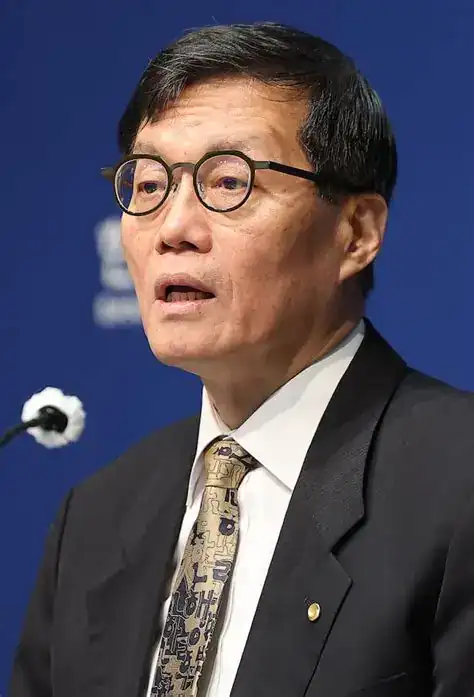
Rhee Chang Yong
B-
Bank of Korea’s Governor Rhee Chang Yong has been running the central bank against a backdrop of political turmoil—President Yoon Suk Yeol was impeached by the National Assembly in December after attempting to impose martial law and was removed from power in April—and the drop in international investor confidence toward South Korea that has flowed as a result.
BOK forecast 2026 growth at 0.9% and inflation at 2% during an August announcement in which it said the policy rate would remain unchanged at 2.5%, cautioning that household debt remains high, the housing market is inflated, and domestic demand remains sluggish—although the bank expects a “modest recovery” as the year progresses.
“Exports are likely to show favorable movements for some time but are likely to gradually slow as the impacts of U.S. tariffs expand,” the central bank said.
Newly installed President Lee Jae Myung had met U.S. President Trump just days before the BOK rate decision and negotiated a reduction of South Korea’s reciprocal tariffs with the U.S. from 25% to 15%, engineered through President Lee’s stated intention to drive $350 billion of investment into the U.S. That tariff reduction may prove crucial going forward, as exports account for 44% of South Korean GDP, with the U.S. the country’s second biggest export destination after China.
SRI LANKA
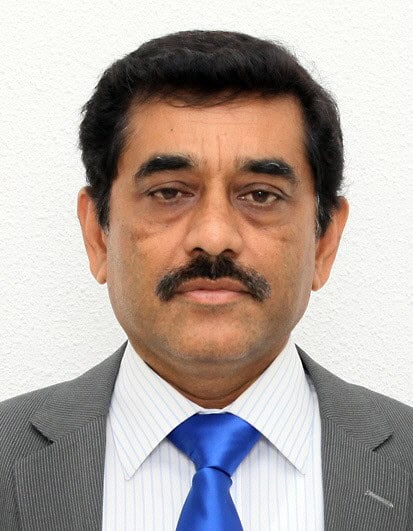
Nandalal Weerasinghe
B+
Nandalal Weerasinghe remained in place as governor of the Central Bank of Sri Lanka, delivering his trademark steady post-crisis stewardship amid new external supply shocks.
He sustained macroeconomic stabilization after Sri Lanka’s 2022 financial crisis, and perhaps most tellingly, headline inflation—which had been negative or near-zero through much of 2025—turned positive. It rose to 8% as of August, driven by Middle East conflict-related energy price pressures. Inflation prompted the bank to hike the overnight policy rate by 100 basis points to 8.75% in May, the first monetary tightening in more than three years. It has retained a cautious policy stance since then, although last year’s deflationary dynamic appears to have abated. Gross official reserves held firm at around $6.5 billion to $6.8 billion, their highest level since the crisis, burnishing Weerasinghe’s credentials as a safe pair of hands, supported by net FX purchases and IMF program inflows.
Real GDP growth reached about 5% in 2025 and remained positive into early 2026 at around 5.1% in the first quarter. Forecasts for the full year have moderated to 3% to 4% due to energy shocks and the impact of Cyclone Ditwah, which hit in November 2025.
TAIWAN
Yang Chin-long
A-
As governor of the Central Bank of the Republic of China (Taiwan) since February 2018, Yang Chin-long has presided over turbocharged economic growth while managing inflationary pressures. This is no mean feat in a country where GDP growth is forecast to come in at a staggering 11% this year, due to AI-related demand. The Taiwan dollar has stabilized this year after sharp appreciation pressure in 2025 due to tech-related inflows. The central bank aggressively intervened in the foreign exchange market, building its reserves beyond the $600 billion milestone and prompting renewed criticism from some commentators who contend that the Taiwan dollar is chronically undervalued. The benchmark discount rate remained steady at 2% this year, although Yang publicly noted that the decision was not unanimous, with some board members flagging inflation risks. He said the bank needed to remain “slightly more hawkish,” with any rate changes dependent on incoming data.
Yang has cautioned against potential AI bubble risks, speculative capital expenditure and overleveraging in the tech sector. Still, the Taiwan dollar is range-bound while inflation has been managed near or slightly above the 2% threshold. The central bank projects full-year CPI below 2% in 2026 amid easing imported inflationary pressures.
THAILAND
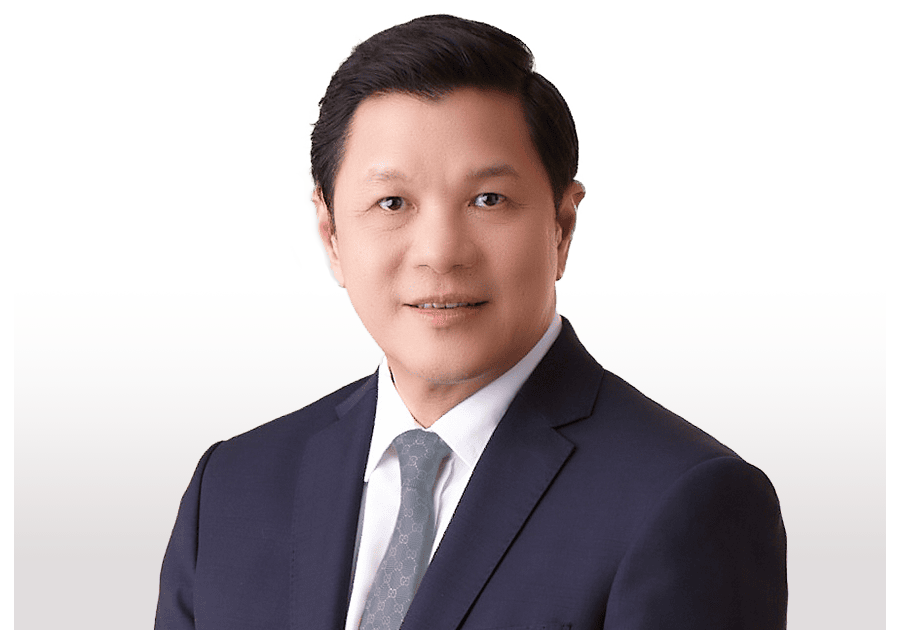
Vitai Ratanakorn
Too Early to Say
Vitai Ratanakorn, who assumed office as Bank of Thailand governor in October 2025, faces a raft of pressures. He must preserve the central bank’s independence amid political pressure from the neophyte minority administration of Prime Minister Anutin Charnvirakul, enlivening an uneven economic recovery, managing high household debt and SME nonperforming loans and navigating baht volatility amid a weakening current account.
Ratanakorn is seen as close to the Ministry of Finance and perhaps likely to be leaned on to coordinate closely with government to enact stimulus, provide liquidity support for strained household and SME balance sheets, and expand credit. He has his work cut out for him given a mindset that the bank is “obstructionist”—which lingers from the days when the Pheu Thai Party was in power until being ousted in September 2025.
The new governor cut rates by 25 basis points in December and February, to 1%, as he wrestles with sluggish growth—a justifiable strategy given Thailand’s low 1.5% core inflation. The bank forecasts growth of 2.3% for 2026 and a more alarming 1.8% for 2027.
UZBEKISTAN

Timur Ishmetov
B
Timur Ishmetov, Central Bank of Uzbekistan chairman since December 2024, has presided over a tight monetary policy. After an initial March 2025 hike, a 14% policy rate has held through mid-2026, pulling annual inflation down to the 6% to 7% range and moving it steadily closer to the CBU’s 5% medium-term target. GDP growth came in at 7.7% in 2025 and hit a shiny 8.5% in the first half of 2026, something of a remarkable achievement in the context of Ishmetov’s inflation-busting zeal. International reserves remained ample and, under his leadership, the central bank has earned a strong regional reputation for competence and rectitude.
VIETNAM
Pham Duc An
Too Early to Say
The State Bank of Vietnam appointed Pham Duc An as governor in April. He succeeded Nguyen Thi Hong, who leaves a legacy of strong GDP growth and contained inflation. Vietnam’s GDP grew to 8% last year amid a strong 19% credit expansion—keeping inflation contained at 3.3%. Pham took office around the time an ambitious 10% growth target had been set by the government and, in the first six months of 2026, GDP broadly followed the playbook, growing at a heady 8.18%. In an example of the classic growth-inflation policy tradeoff, Vietnam’s average inflation rose to 4.38% in the first half.
Still, policy rates were held steady at 4.5%, credit growth moderated, and the dong remained stable. Pham’s early actions have focused on directing credit productively, easing liquidity strains, and preparing SME support packages amid high credit reliance and funding pressures.
Europe
ALBANIA
Gent Sejko
A-
Times are good in Albania: GDP grew 3.8% last year, with 3.4% expected this year according to EBRD. The policy rate has remained unchanged since mid-2025 at 2.5% and inflation has stayed low, at 2.6% until mid-2026 when it rose to 3.2% driven by energy price increases, but still within the Bank of Albania’s target rate of 3% (+/-1% each way).
Albania’s EU prospects are also advancing. Alongside Montenegro, it remains one of the most likely next candidates for membership. Brussels’ Interim Benchmark Assessment Report formally places the country in the final stage of accession negotiations, and Tirana hopes to join by 2030. It’s hard to overstate Albania’s achievements in attaining stability and boosting prosperity, something for which Governor Gent Sejko and Prime Minister Edi Rama deserve credit.
“Albania has momentum, achieved on solid private sector balance sheets, a stable economic and financial environment, robust labor markets, positive business and consumer confidence, as well as growing tourism,” Sejko told Global Finance last year.
Following an official visit to Tirana earlier this spring, the IMF positively assessed the Bank of Albania, considering the monetary policy pursued as appropriate and oriented towards maintaining price stability. The IMF representatives agreed with the BoA’s strong lek policy suggesting a free-floating exchange rate is key for keeping Albania’s economy stable and adaptable.
ARMENIA
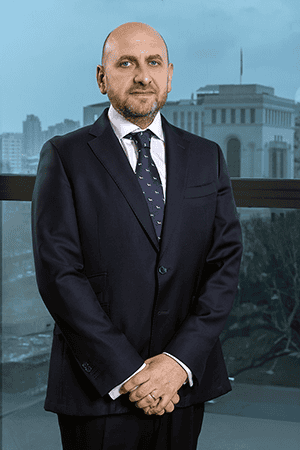
Martin Galstyan
B
On May 5, Martin Galstyan was reelected to a second consecutive six-year term as governor of the Central Bank of Armenia. Galstyan’s strong academic pedigree and a successful first term made his reappointment uncontroversial. Continuity at the central bank carried special weight in the climate of uncertainty surrounding June’s parliamentary elections, turbulent internal politics and historic tensions with Azerbaijan, Turkey and Russia.
Monetary policy will be challenging in a country that, as part of the Caucasus region, is exposed to high geopolitical risks, but it also offers opportunities.
Armenia’s economy has outperformed expectations, with real GDP growth of around 7% in 2025 (Fitch: 7.1%) due to Armenia’s pro-EU political reorientation under Prime Minister Nikol Pashinyan, and benefits arising from the U.S.-brokered provisional peace agreement with Azerbaijan in August 2025. However, this has accentuated an already expansive fiscal policy stance and created upward inflationary pressure. In June, annual inflation was 5.1%, above the medium-term target of 4%, but within the 2.5%-5.5% tolerance range.
Expectations for a tightening of monetary policy have grown. The central bank left rates unchanged in mid-June at 6.5% with the last rate cut of 25 basis points in mid-December. Galstyan has been careful to balance the need for a cautious monetary policy with the provision for risks arising from a sudden economic outlook correction.
AZERBAIJAN
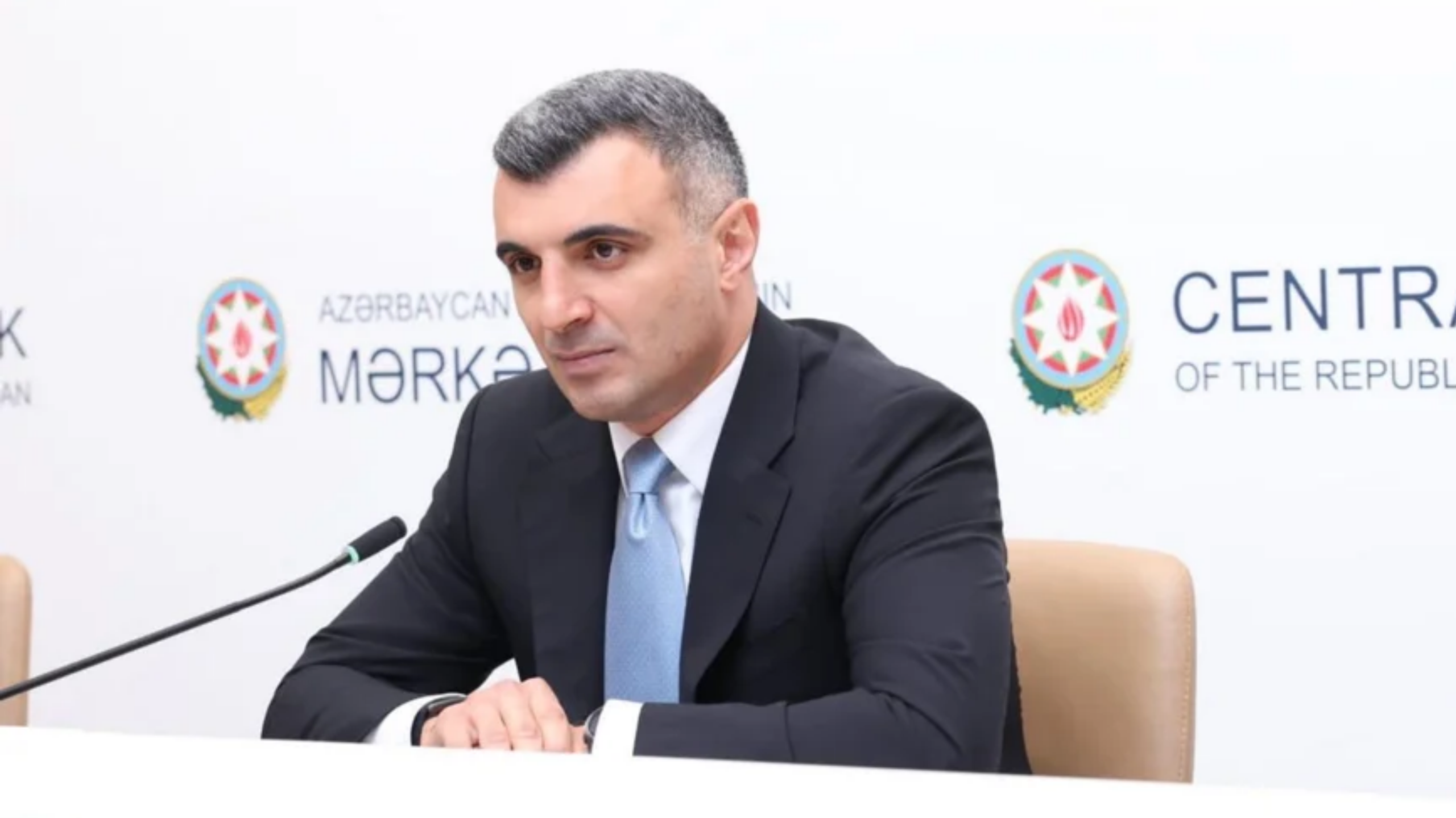
Taleh Kazimov
B+
In 2022, Taleh Kazimov became chairman of the Central Bank of the Republic of Azerbaijan (CBRA) and has since stepped up the pace of expanding the financial sector. Despite the substantial expansion of the interbank market, the sector remains comparatively unprofessional and underdeveloped. The recent foray into Islamic financing has been part of this process. While the CBRA is nominally independent, the high degree of cooperation with state institutions and the government restricts factual independence.
The need to diversify away from dwindling oil and gas supplies is underscored by weak recent growth. Real GDP contracted by 0.3% year on year in the first quarter, after growing slowly in 2025 (1.4% according to the World Bank) after a stronger 2024 (4.3%). Due to a rising contribution from the non-oil and gas sector, the CBRA is projecting 2.4% average real GDP growth in 2026 and an acceleration to 2.9% in 2027. Robust domestic demand and strong lending activities are also expected to contribute, reinforced by a growth dividend resulting from the end of the Karabakh war and access to East Zangazur. The manipulation of the nominal exchange rate is likely to be needed to control inflation, which averaged 5.6% in 2025 and which Fitch expects to accelerate to 6.1% in 2026.
BELARUS
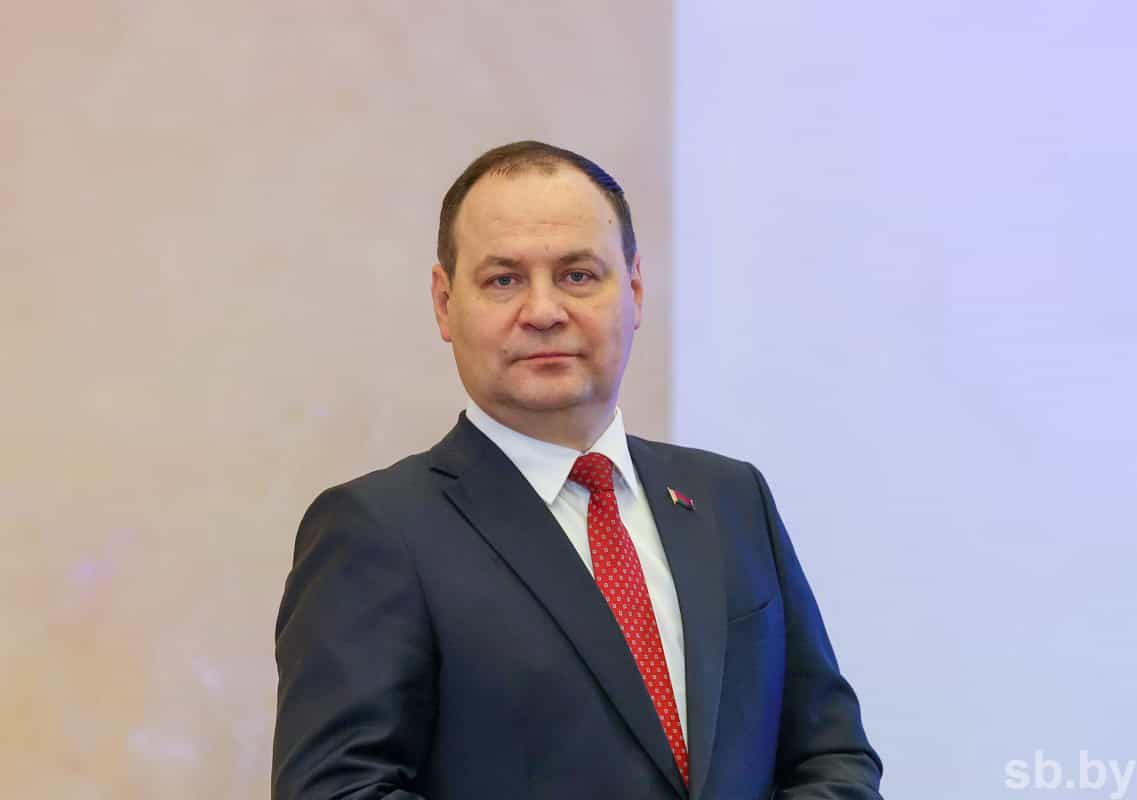
Roman Golovchenko
N/A
In the months since he took over at the National Bank, Roman Golovchenko—a close confidant of Belarus’ dictator Aleksander Lukashenko and prime minister from 2020 to 2025—has seen the economy decline as it has become more drawn into Russia’s deteriorating economic orbit. GDP growth has declined from the 4% registered in 2024 to 1.3%—well below expectations—with the IMF forecasting GDP growth of 1.2% for 2026. Belarus still feels the effects of sanctions and falling demand from Russia as its economy stagnates. Against this backdrop, inflation is still expected to be at 6.4% at year end, fueled by the energy prices rising on the back of the Iran War, although Belarus benefits from subsidized Russian gas. The refinancing rate was reduced to 9.25% as of midyear.
With Belarus largely isolated from the global economy, the National Bank is pressing ahead with its digital currency. It has also been creating an active local environment for crypto currencies, including Bitcoin and Solana, which are now fully legal and regulated through the High Tech Park, home to 26 crypto businesses. However, as part of a new package of tightened sanctions against Russia and Belarus, in May, the EU banned all its citizens from trading in the Belarussian digital currency and in currencies offered by Belarussian/Russian domiciled crypto banks.
BOSNIA & HERZEGOVINA
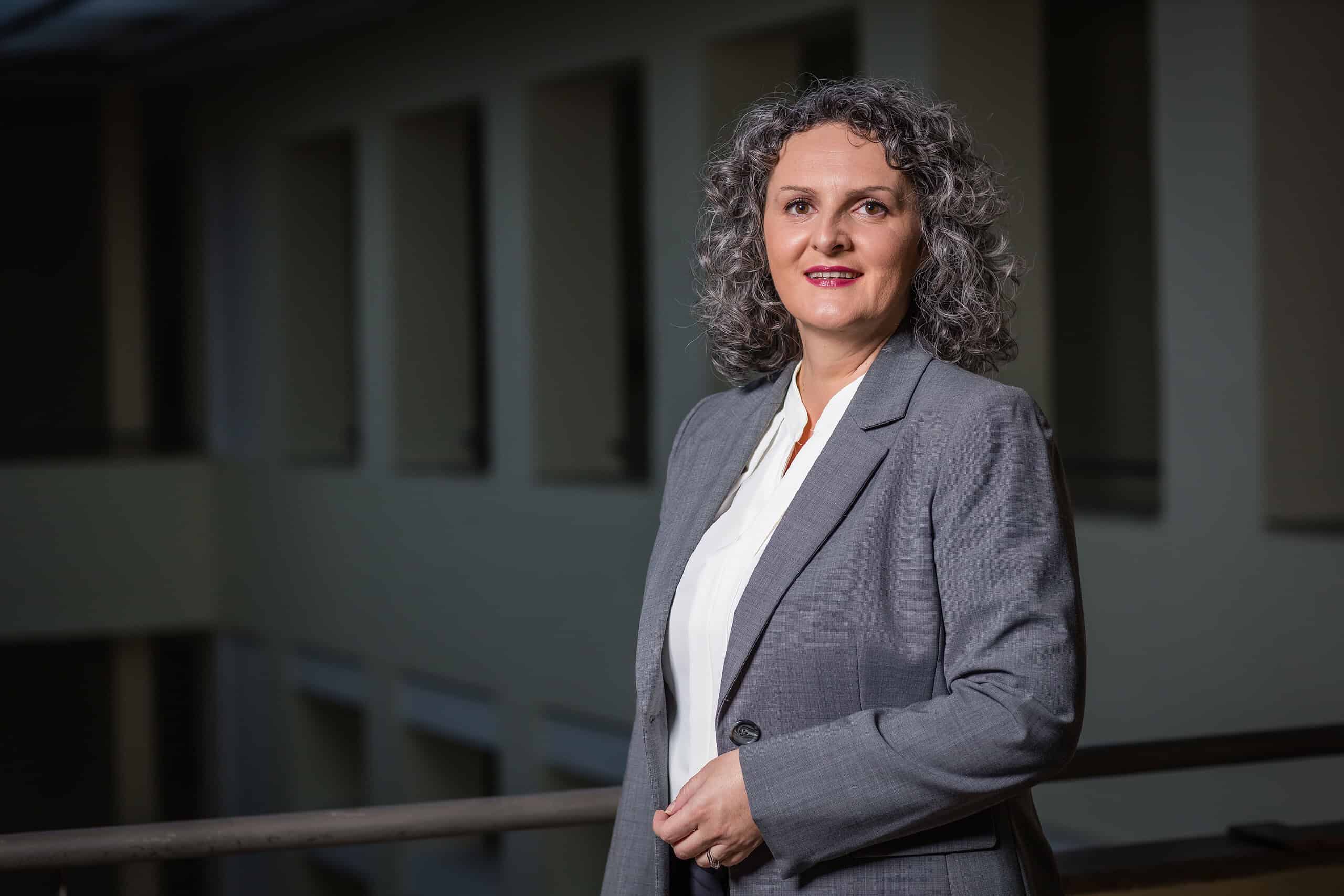
Jasmina Selimović
B
Jasmina Selimović, governor of the Central Bank of Bosnia and Herzegovina (CBBH) since 2024, hasn’t had an easy time. In addition to global economic headwinds, Selimović is dealing with even more severe country-specific challenges, a consequence of Bosnia and Herzegovina’s tumultuous history.
Political fragmentation and institutional imperfections have held back progress towards EU membership despite the country holding official candidate status since December 2022 and accession talks having started in March 2024. Following protracted negotiations, the Bosnian government on Sept. 30, 2025, adopted the Reform Agenda, a precondition for EU funding. Funds remain elusive as the reform process has stalled, with the government missing deadlines and bringing the country further behind fellow Balkan peers, such as Albania, Montenegro, North Macedonia and Serbia with respect to its EU readiness.
A leading banking magazine recently recognized the CBBH’s resilience in these challenging circumstances, with a financial stability award. Indeed, the CBBH appears like a stalwart in a tumultuous and often adversarial political sphere in which EU membership ambitions constitute the main incentive to move ahead. The war in the Middle East was the chief reason the bank revised its real GDP growth projection for 2026 downward to 1.9% in its spring 2026 projections, down from 3.8% in 2025, and a significantly raised inflation profile of 4.7%.
BULGARIA
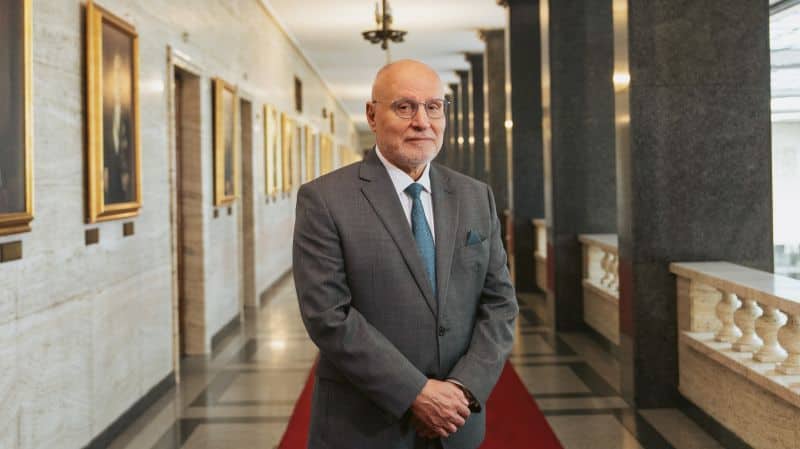
Dimitar Radev
B+
Dimitar Radev, the governor of the Bulgarian National Bank (BNB), can look back on Bulgaria’s euro adoption on Jan. 1 with some satisfaction—as he told Global Finance last year, this followed years of planning and cautious monetary policy, with membership expected to open “new opportunities for sustainable growth and prosperity.”
In late June, the BNB reported that some 95% of all Leva in circulation—worth BGN 29.4 billion—had been converted into euro with the total amount of euro in circulation now exceeding €8.8 billion.
Radev denied the euro would cause high inflation. By midyear, inflation rose 0.4%, and the predicted Greece-style spending spree from lower interest rates failed to materialize. He said the euro had boosted economic confidence, also encouraged by the advent in May of a new single party government after a snap early election in April ended five years of unstable coalitions.
However, the BNB still faces challenges, especially as it is viewed as the main anchor of stability in Bulgaria. The Radev government is prioritizing GDP growth with the use of EU Recovery and Resilience Funds helping drive this but is also increasing spending rapidly with a fiscal deficit of 5.7% forecast for 2026. However, the war in the Gulf has slow growth to an expected 2.8% in 2026 from 3.2% last year.
CZECH REPUBLIC
Aleš Michl
A-
Governor Aleš Michl’s motto is caution above all else—indeed last year he told Global Finance that “monetary policy should be consistent and credible, not experimental.”
Michl’s approach during his fourth year as governor reflects this philosophy despite, or maybe because of, the government’s strong pro-growth agenda since taking office in November. The 2026 budget is more expansionary than its predecessors with a deficit of CSK 310 billion projected, amidst increased spending in infrastructure and in social areas. However, according to the EU, real GDP growth this year is expected to slow to 1.8% after 2025’s 2.5% with inflation rising from last year’s 2.3%, driven initially by rising fuel, food prices and rising real wages, although ING expects headline inflation in 2026 to be 2% rising to 2.6% in 2027.
Concerns about the latter explain the CNB decision on June 18 to raise interest rates by 25 basis points to 3.75%, the first increase in four years, putting real rates at 1%. Michl suggested the rise was needed because of “risks in the development of loans, debt financing of public spending, and the path of core inflation.”
Most observers believed this would be the last rate rise given what turned out to have been a short-lived rise in inflation coupled with the need to keep growth on track.
DENMARK
Christian Kettel Thomsen
A+
Denmark arguably delivered the strongest macroeconomic performance across Western Europe. The economy grew 6.2% year over year in the first quarter.
Unemployment stood at 2.7% in May, and consumer inflation remained at 1.9% in June, despite the ongoing energy price shock.
Regarding the rates policy, Governor Christian Kettel Thomsen kept the spread against the ECB unchanged, matching Lagarde’s 25-basis-point June hike within a day of the decision and raising the certificates of deposit and current account rates to 1.85% and the lending rate to 2%. The krone required no intervention at any point during the period.
Strong domestic momentum made the increase straightforward to absorb. With the real policy rate still marginally negative, tighter nominal rates did little to restrain activity. Thomsen’s consistent communication meant the decision was fully anticipated and passed through without disrupting lending or the currency.
EUROPEAN UNION
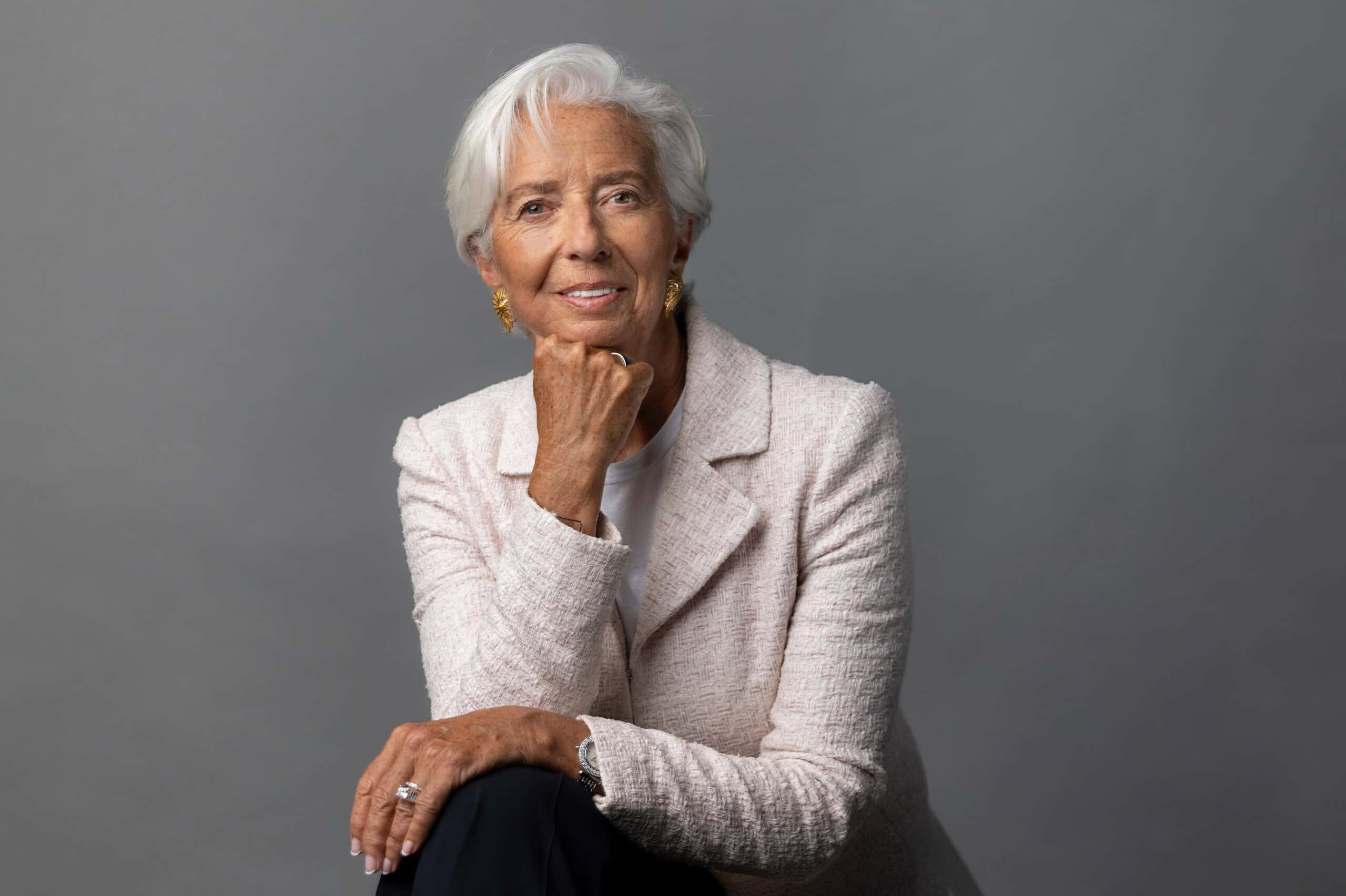
Christine Lagarde
B+
The ECB spent the first half of 2026 watching both halves of its mandate deteriorate at once. Headline inflation reached 2.8% year over year in June, having sat precisely at the 2% target 12 months earlier, while the bloc’s economy contracted 0.2% quarter over quarter in the first quarter and expanded by just 0.3% year over year.
Unemployment stood at 6.2% in May.
The Governing Council reversed eight consecutive reductions, raising the deposit facility rate by 25 basis points to 2.25% effective June 17, marking its first increase since 2023. The move was explicitly preemptive, aimed at second-round effects from the energy shock that had not yet appeared in the data rather than at realized price pressures.
Governor Christine Lagarde defended the decision on those terms, rejecting characterizations of an insurance hike and citing staff projections showing inflation lodged above target into 2028 without it. “The longer energy prices stay high, the more likely they are to drive up broader inflation through indirect and second-round effects,” she said.
Looking ahead, the risk is that the tightening lands on an already stalling economy, with the ECB’s own analysis conceding that a prolonged conflict could push Germany and Italy into technical recession before year-end.
GEORGIA
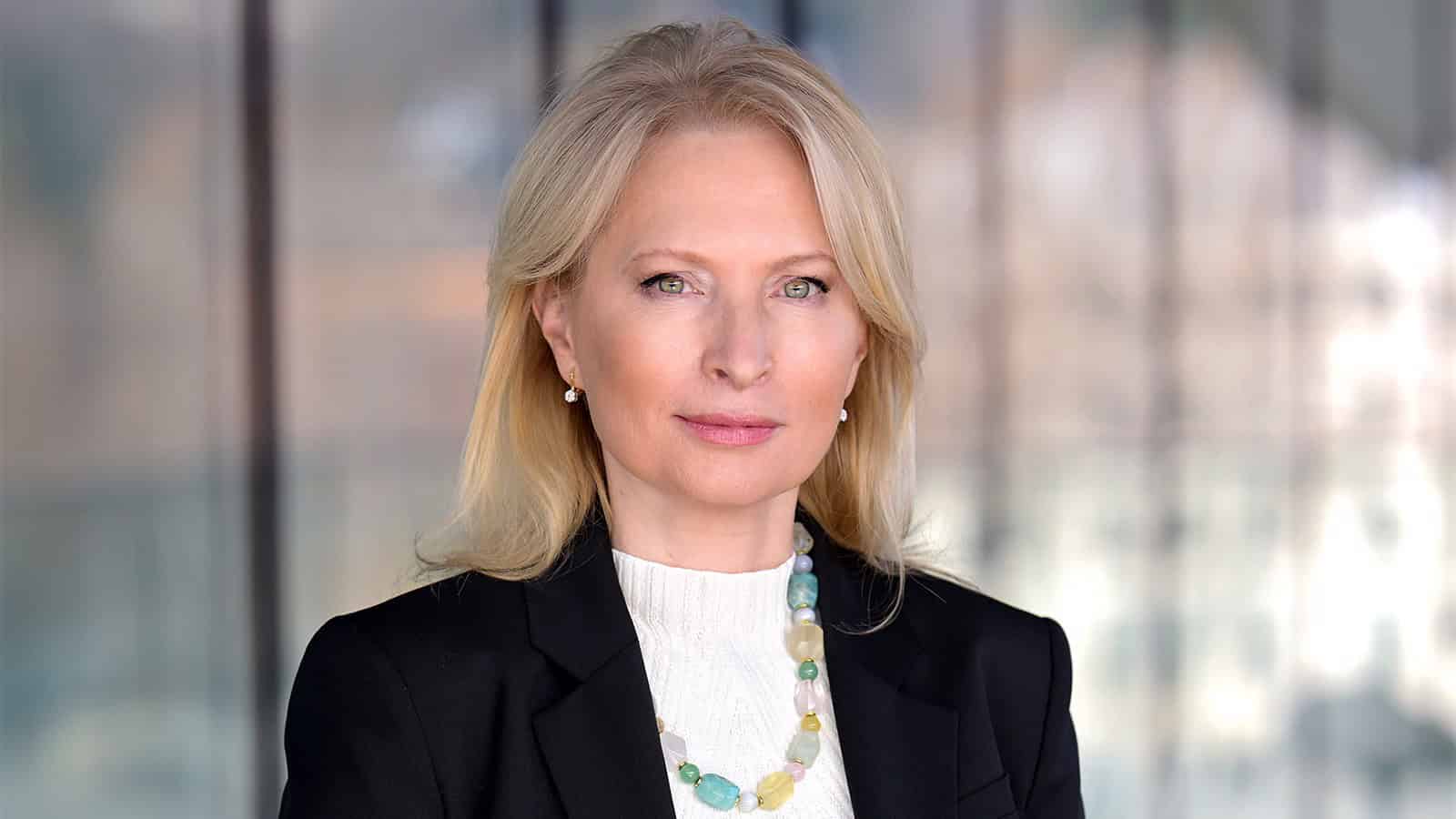
Natia Turnava
C
Natia Turnava, chairwoman of the National Bank of Georgia, presides over an institution that whilst formally independent, still has some way to go to demonstrate this clearly. However, in June, the IMF attested to the NBG’s progress in strengthening its institutional and organizational framework. In addition to the removal of discretionary financial transfers to the government, the IMF endorsed measures taken to strengthen the NBG’s governance, namely the rejigging of responsibilities of executive members and the more democratic process for replacing the NBG governor. The NBG’s forthcoming task is to move towards a more collegiate decision-making process for policymaking.
Recent policy decisions reflect the NBG’s generally efficient and proactive stance. In May, interest rates were tightened for the first time in two years because inflation rose to 5.9% in April, with core inflation trending upwards. While victim to the vagaries of international oil prices, resilience to international pressure systems has improved. Monetary policy effectiveness—and thus financial stability—improved with the ongoing reduction of dollarization. In May, Turnava confirmed that loan dollarization decreased by 0.7 percentage points to 42.5% in March and cumulatively fell by 10% over a decade. The high share of foreign-denominated deposits and loans not only renders monetary policy less effective but also makes currency fluctuations problematic for the many nationals with mortgage obligations in dollars.
HUNGARY

Mihály Varga
B+
It’s fair to say that until this April’s parliamentary elections, which swept out the Fidesz government after 22 years and installed a new administration headed by Prime Minister Peter Magyar, the jury was still out on the performance of National Bank Governor Mihály Varga.
In the year since Varga’s appointment in March 2025, with Hungarians mindful that the 61-year-old economist had held senior positions in Viktor Orban’s governments including Minister of Economy (2013-2018) and Minister of Finance (2018-2024), he cut a low-key figure. However, since Magyar’s victory, winning a two-thirds majority in parliament, Varga has been strongly supportive, even of Magyar’s ambitious plans to join the euro by 2030—something polls suggest is supported by 75% of voters—saying that the steps taken would anyway be economically beneficial.
As of mid-2026, the good news in Hungary keeps coming. A pickup in confidence, the expectation that the EU will release frozen cohesion funds and frozen RRF funds worth respectively, 9% and 5%, of GDP and rising domestic demand are all feeding into growth with the NBH raising its 2026 forecast from 1.7% to 2% (rising to 3% in 2027). Inflation is slowing despite higher energy prices, with NBH more than halving its 2026 forecast to 1.8% from 3.8%.
ICELAND

Ásgeir Jónsson
C-
Iceland recorded the weakest inflation performance in Western Europe for the second consecutive year. Consumer prices rose 5.2% year over year in June, more than double the Central Bank’s 2.5% target and above the 4.2% recorded a year earlier.
Against this backdrop, Governor Ásgeir Jónsson delivered two consecutive 25-basis-point increases in March and May, raising the policy rate to 7.75%, the highest in the region by a substantial margin. Inflation expectations, however, continued to rise with both movements.
A near doubling of unemployment to 5.6% in May from 3.1% a year ago indicates the tightening is being felt in the real economy, raising further red flags for the Nordic Central Bank. On the positive side, however, GDP has held up rather better, growing 2.7% year on year and 3.7% quarter on quarter.
MOLDOVA

Anca Dragu
B
Anca Dragu, governor of the National Bank of Moldova (NBM) since December 2023, has established herself as an efficient operator in a country where monetary policy is in evolution. Dragu’s academic qualifications in economics and finance, her experience as minister of public finance and president of the Senate (both in Romania) in combination with several years spent at the IMF and the European Commission in various roles, equips her well for a role that demands good instincts and political connections within Moldova and internationally.
Dragu has lost no time bringing the NBM into closer alignment with IMF recommendations and EU standards. In June, the IMF endorsed reforms to define the roles of the NBM more clearly with responsibility for banks and nonbank lending and of the National Commission for Financial Markets that oversees capital markets. The pivotal role of the adjacent National Committee for Financial Stability as a collaborative platform for policy coordination makes the system appear rather complex. The IMF also raises eyebrows at the twin-mandate of the NBM to conduct monetary policy and support government policy. Dragu has operated within these current parameters and added the integration of Moldova into the Single Euro Payments Area since October, and the steady expansion of the MIA Instant Payments system to her list of achievements.
NORWAY
Ida Wolden Bache
B+
Norges Bank improved on the headline inflation reading without resolving the metric it watches most closely, the CPI-ATE. While consumer inflation eased to 2.7% year on year in June from 3% 12 months earlier, its core metric, which strips out energy products and adjusts for tax changes, remained significantly above the 2% target at 3.4%.
Growth recovered to 2.6% year on year in the first quarter, though quarterly momentum was weak at 0.2%, and unemployment edged up to 4.5% in June.
To counter the trend, the Nordic central bank hiked its policy rate by 25 basis points to 4.25% in May, citing inflation that had “run above target for several years,” markedly higher wage growth, and dearer energy from the Middle East conflict. The hike placed Norway among the region’s tighteners alongside the ECB and Iceland, while the Bank of England was cutting and the Riksbank stayed on hold.
Governor Ida Wolden Bache has been direct about what comes next, indicating that “if developments turn out as currently envisaged, the policy rate will be raised at one of the forthcoming monetary policy meetings.”
POLAND
Adam Glapiński
A-
Adam Glapiński celebrated his fourth anniversary as Narodowy Bank Polski governor this June and although he has critics within the Donald Tusk government, Glapiński deserves some credit for the benign economic environment of the past year.
Inflation has remained stable, in June at 2.5%, slap in the middle of the NBP’s target range of 2.5% +/- 1%, whilst interest rates—3.75% in July—have been gradually eased from the mid-July 2025 level of 4.75%. Glapiński has been dovish on the underperformance of the zloty versus the other leading CEE currencies, Hungary’s forint and Czechia’s crown which have attracted more buyer interest.
Glapinski can afford to be dovish because investors are mindful of Poland’s success: after GDP growth of 3.5% last year, the NBP is forecasting 3.7% this year supported by EU RRF and Cohesion Funds and growing domestic demand fueled by the rising real wages caused in part by Poland’s tight labor market. Indeed, despite the uncertainties caused by the Iran War, growth has been rising over 2026 with 3.8% registered for the second quarter, against 3.5% in the first quarter.
Glapiński has used the recent fall in the gold price as an opportunity to buy more gold, adding 82 tons this year and reaffirming the central bank’s target of building its gold holdings to 700 tons.
ROMANIA
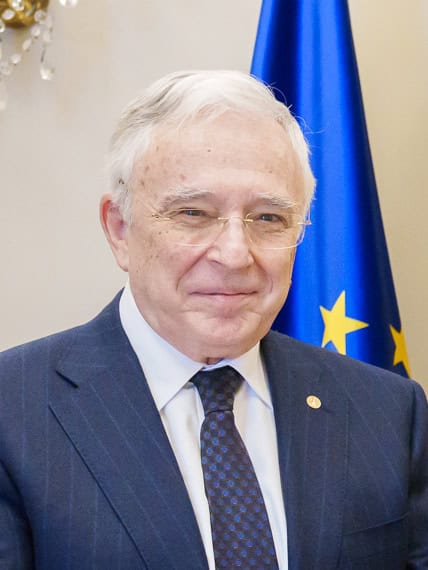
Mugur Isărescu
B-
During a year in which the 78-year-old National Bank of Romania (NBR) governor consolidated his record as the world’s longest serving national bank governor—from 1990 to today except for a spell as prime minister between 1999-2000—the economy deteriorated into stagflation.
Annual inflation at end of June stood at 10.6%, pushed up by energy prices, and was well above the NBR target range of 1.5% to 3.5%. GDP growth continues to be anemic—after just 0.7% growth in 2025, a further slowdown to around 0.3% to 5% is expected for full year 2026, according to the NBR
Mugar Isărescu’s strategy has been to sit tight: Romania’s interest rate as of July 2025 stood at 6.5%, held steady since January 2024. Although inflation is expected to fall over 2026, with Erste Bank forecasting 5.9% by year end, Romania’s real problems are political—and thus beyond Isărescu’s control.
In 2024 and 2025, the country ran the highest year-end fiscal deficits in the EU—officially 9.3% and 7.6%—and efforts to bring this under control have naturally impacted the rest of the economy.
Amidst the turmoil of recent years, Isărescu has been cautious and steady, increasing reserves gradually—by around $40 billion over the past five years to May this year, according to the NBR.
RUSSIA
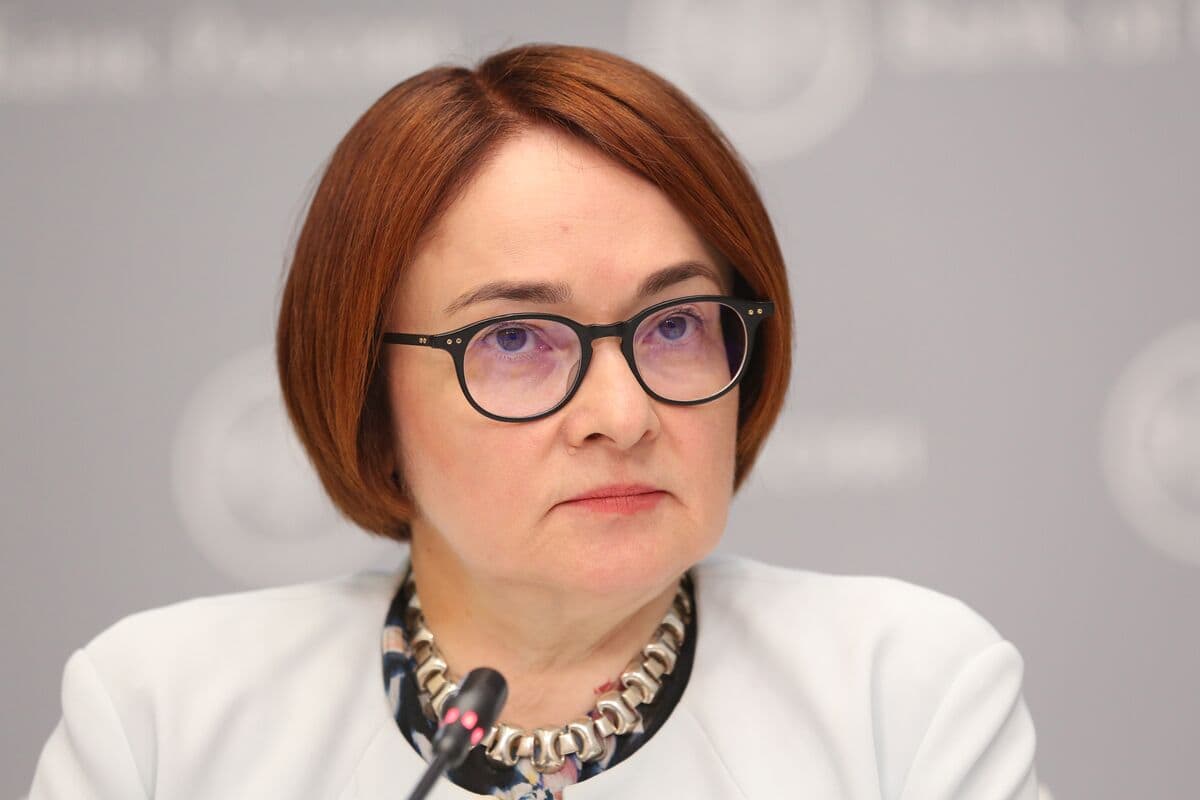
Elvira Nabiullina
N/A
With Russia’s war on Ukraine marking its fourth anniversary this past February, it’s been another difficult year for the 63-year-old governor of the Bank of Russia, in the post since 2013. Speculation about her future and that of economic policymaking reached a fever point in June after she was absent for almost a month, missing several key meetings and addresses, claiming afterwards that she’d had a severe cold.
Elvira Nabiullina has had to manage growing economic distortions including stagnation and persistent inflation, amidst Russia’s shift to a militarized economy. Although officially defense spending stands at around 7.5% of GDP, it is thought to be very much more.
Criticized by many for her strong ruble strategy, sustained by high real interest rates—14% in July after a 25-basis point cut, against an inflation rate of 6%, well above the 4% target—Nabiullina seems to believe Russia has no choice if it is to retain what’s left of its battered economic credibility.
However, as 2026 got underway, the economic outlook seemed to darken. The first quarter saw GDP contract by 0.2% and although the second quarter saw it pick up to 1.3%—fueled in part by a further rise in defense spending, bringing growth for the 2026 first half to 0.6%, most observers expect the stagnation to continue.
SERBIA
Jorgovanka Tabaković
A-
On July 10, Fitch Ratings affirmed Serbia’s sovereign outlook at BB+ with a positive outlook, highlighting a “consistent macroeconomic policy mix, including a strong commitment to exchange rate stability and prudent fiscal management, strengthened international reserves and high GDP per capita compared with ‘BB’ peers … and a record of resilience to external shocks.”
The NBS under Jorgovanka Tabaković—who is now well into her third term as governor—bears its share of the credit for this positive performance, quite different from the sometimes rather chaotic political image Serbia shows to the world. As the IMF concluded after its 2025 review, “the continuation of cautious monetary policy and a resilient financial sector will remain an important anchor in a period of heightened uncertainty.”
As ever Tabaković’s pragmatism has guided NBS policymaking, with the main policy rate of 3.75% in early July exactly as it was one year before. It seems to be doing its job, with inflation at 2.7% in June, down from 3.5% in May, and well within the NBS target of 1.5% +/-3% whilst growth chugs along, with 2026 expected to see GDP rise by 2.8% on top of 2025 fiscal year 2%, with a pick-up to 4% expected in 2027 as Serbia’s economy reaps some of the benefit of the EXPO.
SWEDEN
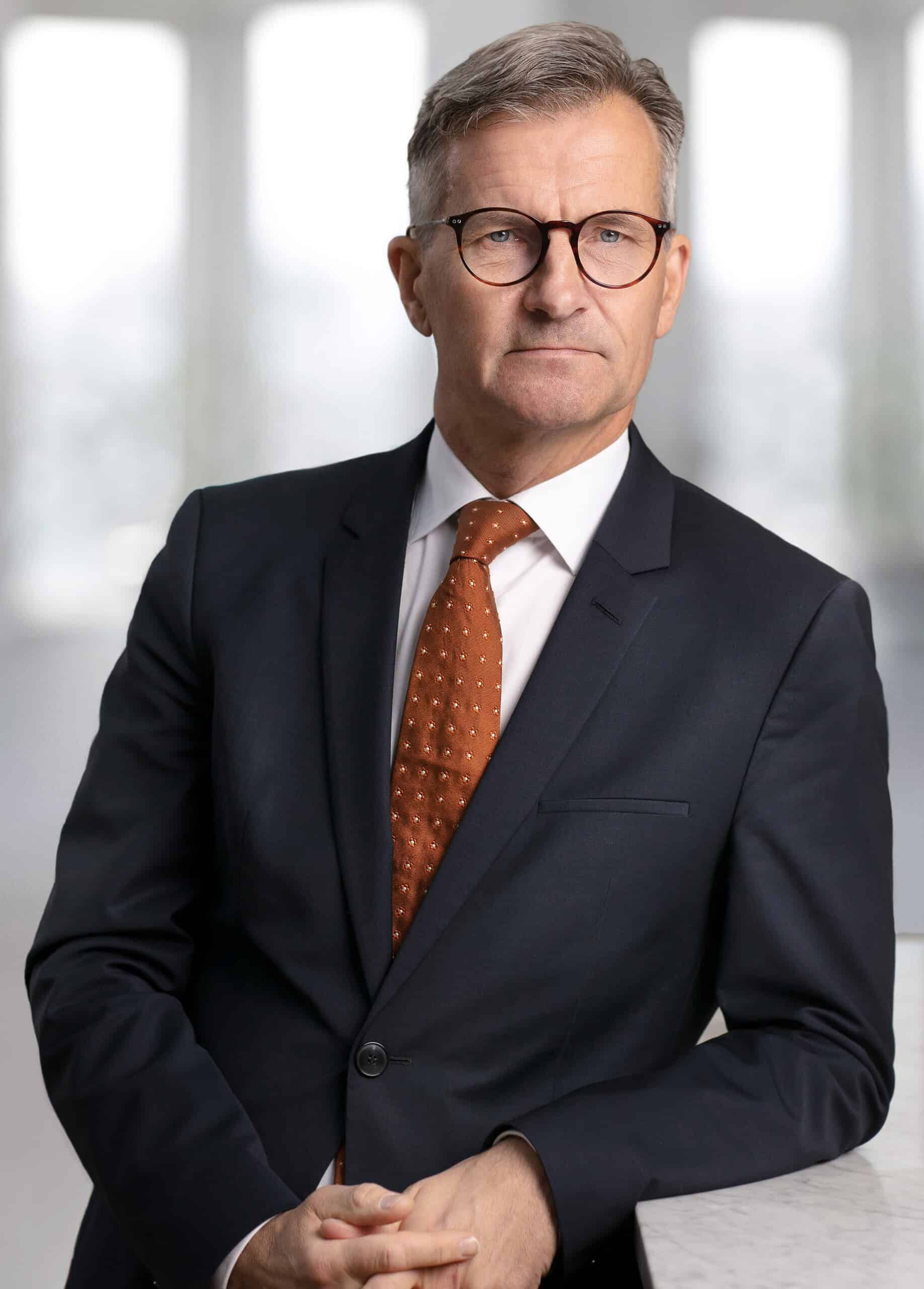
Erik Thedéen
B
Sveriges Riksbank faces the inverse of the problem confronting most of its regional peers, having spent a second consecutive year watching the economy run too cold rather than too hot.
On the one hand, sustained krona appreciation has helped keep imported price pressures subdued, offsetting the impact of rising energy costs that have fueled inflation across much of the region. As a result, consumer inflation slowed to just 0.2% year over year in July, while CPIF, the Riksbank’s preferred measure, stood at 0.7%, both well below its 2% target.
On the other hand, however, the economy has struggled to regain momentum. GDP contracted 0.2% quarter over quarter in the first quarter before rebounding by an estimated 1.4% in the second quarter. Consequently, unemployment—another part of the Riksbank’s mandate—climbed to 9.4% in May, the highest among the Nordic economies.
In terms of rates policy, Governor Erik Thedéen has held the rate at 1.75% this year, describing that level as a solid starting point for adjustment should the inflation target require it, and has signaled that gradual increases rather than further cuts are the more likely next step.
SWITZERLAND
Martin Schlegel
A-
The Swiss National Bank comfortably satisfied its mandate, which defines price stability as inflation below 2% while avoiding deflation. Consumer prices rose 0.5% year on year in June, unemployment stood at 2.9% and the economy grew 0.6% year on year and 0.7% quarter on quarter, a positive result in a period when the eurozone contracted.
Governor Martin Schlegel held the policy rate at 0% throughout, a more active decision than the unchanged figure suggests. With disinflation persistent enough that he conceded negative prints were “well possible this year,” the case for returning to negative territory was live. Schlegel kept the option available without exercising it, arguing that “we cannot exclude negative interest rates” while signaling a clear institutional preference against them.
External developments assisted that restraint. The tariff agreement concluded with Washington, cutting the rate applied to Swiss exports from 39% to 15%, removed much of the pressure that a deteriorating export outlook would have placed on the bank, though the franc near decade highs against both the euro and the dollar continues to weigh on exporters.
TURKEY
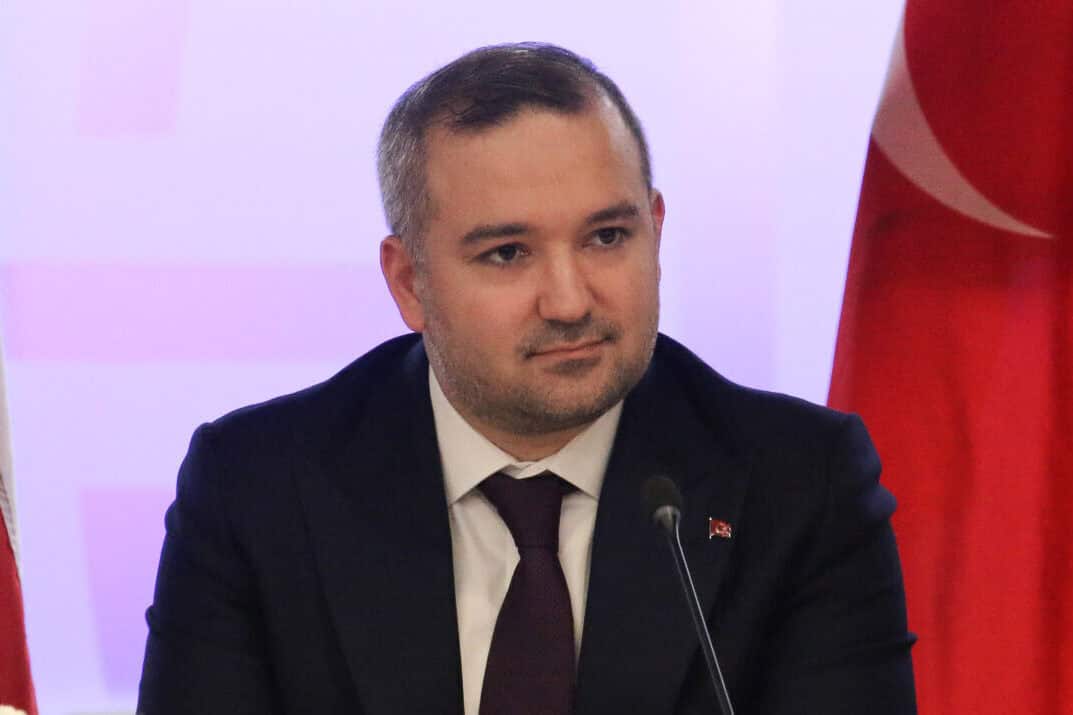
Fatih Karahan
B
Perhaps the biggest achievement of Fatih Karahan and his team at the Central Bank of the Republic of Turkey (CBRT) has been lowering inflation. Osman Cevdet Akçay, outgoing deputy governor, gave an interview to the Turkish media in April saying that if the incoming team hadn’t pivoted back to monetary orthodoxy in July 2023, inflation would have topped 200%.
Luckily, that didn’t happen and although inflation fell through 2025 into 2026, it remains a concern with the CBRT missing its end 2025 target of 24% by some margin. Inflation ended last year at 44.4% and although it continued to fall, it remains high by any standards. Fitch Ratings, which in July affirmed Turkey at BB- Stable forecast projected a fall from 32% in June to 29.5% at the end of 2026 and 18% at the end of 2028, the highest of any sovereign it rates.
“Inflation expectations remain elevated, adding to risks that any sharp policy easing severely worsens inflationary, macro and external pressures,” it concluded.
In May, Karahan raised the inflation target for the end of 2026 from 16% to 24% and for the end of 2027 from 9% to 15%. That is more optimistic than Fitch’s’ forecast admittedly but a reflection of the major impact the Iran War has had on energy prices and inflationary expectations.
UKRAINE

Andriy Pyshnyy
N/A
The 2025-2026 period was another challenging time for Ukraine and for NBU Governor Andriy Pyshnyi, 51, with the war not easing up and Ukraine’s already battered economy being hit by successive targeted Russian strikes on key infrastructure. Therefore, GDP growth struggled over 2025 with 1.8% growth followed by a contraction of 0.6% in the latest first quarter and a slight rise of 0.6% in the latest second quarter. For the full year, NBU is forecasting 1.8% growth and inflation at around 10%.
President Volodymyr Zelensky and others have criticized Pyshnyi for not being sufficiently focused on the needs of Ukraine’s wartime economy and being too attentive to the demands of the IMF, which in February agreed a new $8.1 billion EFF with Kyiv to anchor its $136.5 billion international support package. The NBU has kept interest rates high, at 15.5% in July, following a 50-basis points increase, whilst forex reserves remain healthy at around $51 billion at the end of June.
It’s clear the NBU sees its main role as maintaining multilateral, international and investor support for Ukraine. For example, in August, the NBU unveiled the most far-reaching currency liberalization package since the February 2022 invasion, with a four-fold increase in the monthly allowance for purchasing noncash currency, investments and foreign securities to UAH 200,000 (USD $4,450).
UNITED KINGDOM
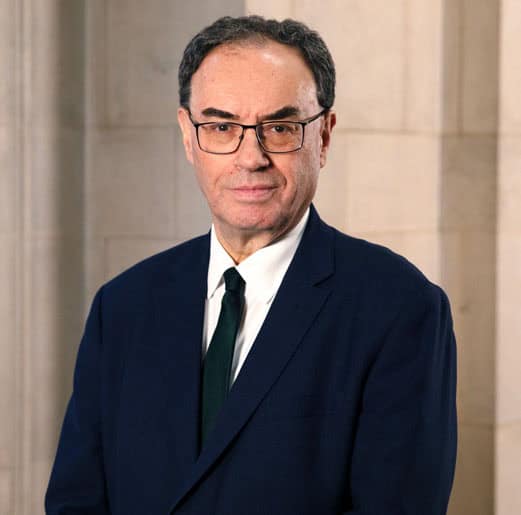
Andrew Bailey
B
The Bank of England was the only central bank in Western Europe to record simultaneous progress across each indicator relevant to its remit. Consumer inflation eased to 2.8% year on year in May from 3.6% 12 months earlier, growth held at 1.3% year on year and 0.7% over the three months to May, and unemployment was marginally softer at 4.9%.
Against this backdrop, Governor Andrew Bailey brought the bank rate down by 50-basis points over the year to 3.75%, then held at that level through the 2026 meetings as the energy shock worked through domestic prices. Delivering disinflation while easing rather than tightening is the more demanding sequence, and it is the principal reason the assessment improves.
Looking forward, however, the governor noted that challenges remain elevated, describing the coincidence of an energy shock, above-target inflation and decelerating growth as “the most difficult combination a central bank can face.”
Middle East
BAHRAIN
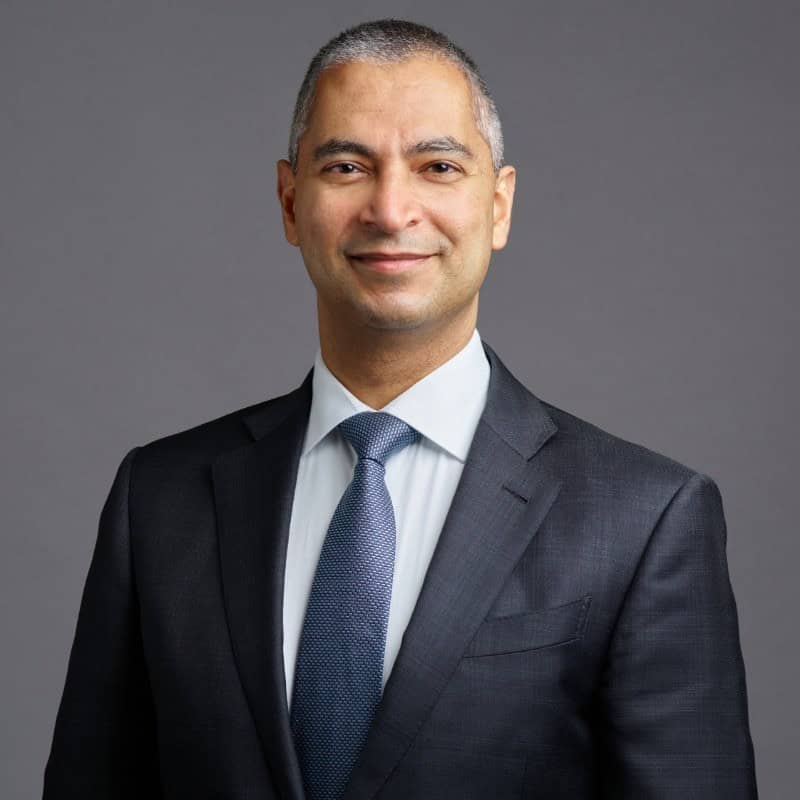
Khalid Humaidan
B
Manama is facing a major stress test on account of the U.S. war with Iran. Drone attacks have targeted key infrastructure, including the airport, data centers, and aluminum producers. Trade with the rest of the world was heavily disrupted as Bahrain—an island—has no natural alternative route to the Strait of Hormuz. The King Fahd Causeway to Saudi Arabia has provided some flexibility, but not enough to offset the shock.
According to a July Reuters poll, the economy could contract 5.1% this year, down from 3.5% GPD growth in 2025. The Central Bank of Bahrain responded quickly to the initial clashes, rolling out an $18 billion package in April that included loan deferrals, liquidity support, and a drop in reserve requirements from 5% to 3.5%. The kingdom has also received support from other Gulf Cooperation Council states, notably a $5.4 billion currency swap arranged by the United Arab Emirates.
The dinar remains pegged to the U.S. dollar and the CBB’s action on interest rates mirrors the Federal Reserve’s. Since our last evaluation, the central bank has cut the overnight rate by 75 basis points to 4.25%. Despite its size and structural vulnerabilities, Bahrain maintains a strong reputation as a regional financial hub, driver of innovation, and leader in Islamic banking.
IRAQ
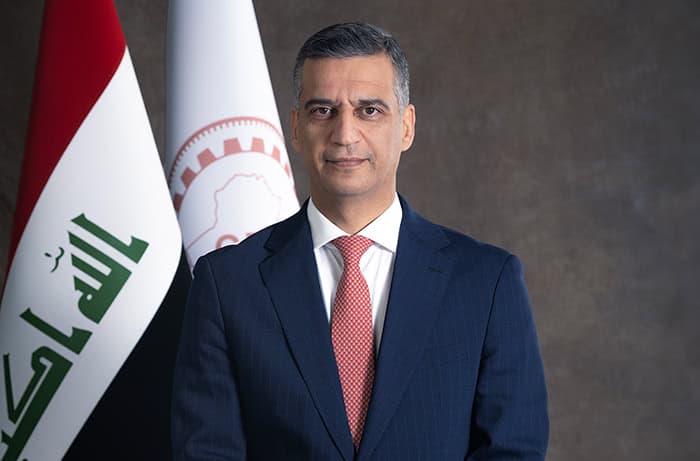
Nizar Hussein
Too Early to Say
Iraq’s central bankers have long played a key role in the country’s efforts to fight illicit financial flows. Nizar Hussein, former head of the Office for Anti Money-Laundering and Combating the Financing of Terrorism, took up the challenge in June, when he was appointed governor of the Central Bank of Iraq (CBI), just days after FATF returned the country to its grey list.
Fixing Baghdad’s compliance issues will not be the only priority on Hussein’s agenda, however. The US-Israeli war against Iran and the closure of the Strait of Hormuz heavily disrupted Iraq’s oil exports, which account for 95% of government revenues. As a result, GDP is expected to contract 6.8% this year; inflation has risen to 3%, up from 0.3% in 2025. Other priorities include banking-sector reform, modernizing the payment systems to reduce reliance on cash, and expanding financial inclusion.
Hussein will also need to decide how to build on the efforts of his predecessor—Ali al-Alaq, now advisor to Prime Minister Ali al-Zaidi—to make credit more available to strategic sectors such as agriculture and how to manage risks posed by climate change.
JORDAN
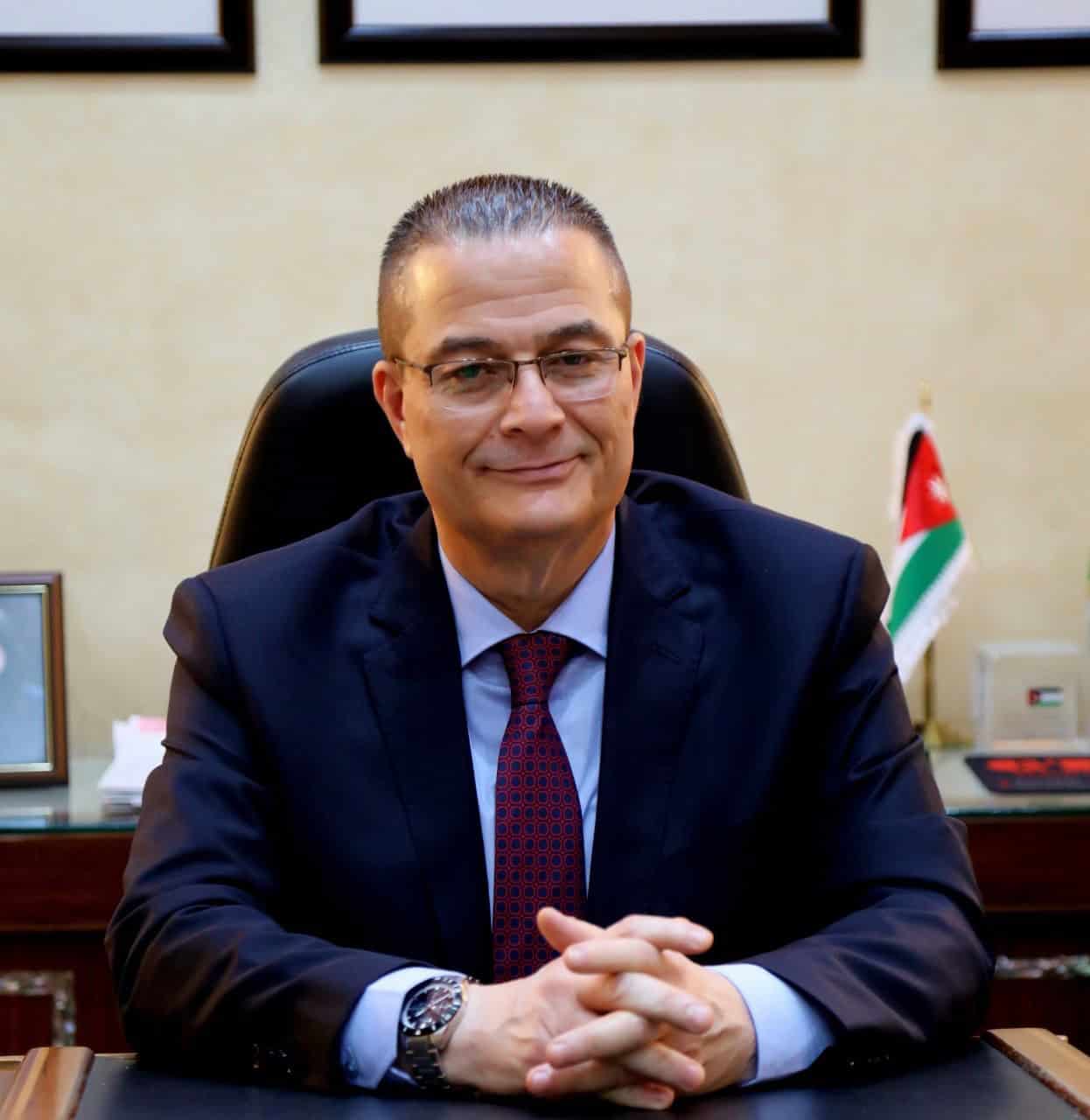
Adel Al-Sharkas
B+
Jordan is once again caught in a regional maelstrom, but the economy has remained solid, with growth expected to reach 2.7% this year. At the Central Bank of Jordan, Governor Adel Al-Sharkas is closely monitoring liquidity. When the U.S.-Iran war started at the end of February, foreign reserves stood at $26.8 billion, equivalent to more than nine months of imports. In April, the CBJ rolled out a $1 billion package to unlock liquidity and support key economic sectors. Measures included cutting reserve requirements to 5% for commercial banks and 4% for Islamic banks, reducing the outstanding balance on certificates of deposit, and providing funding facilities for the food and tourism industries.
The Jordanian dinar is pegged to the U.S. dollar and monetary policy moves in line with the Federal Reserve’s. Since December, the main policy rate stands at 5.75%. The CBJ expects inflation at around 2% this year. Conflict in the Middle East nevertheless has put Jordanian banks to the test; so far, they have proved resilient, remaining generally liquid and with low levels of nonperforming loans. At the same time, developments in neighboring Syria and Iraq are opening up opportunities for Jordanian lenders to scale abroad as cross-border trade and economic activity recover.
KUWAIT
Basel Al-Haroon
A-
The Persian Gulf conflict has made 2026 an exceptionally challenging year for Kuwait. The kingdom faces one of the deepest recessions in the GCC, with GDP projected to contract 8%, according to a Reuters poll. Governor Al-Haroon has taken a pragmatic approach, employing the Central Bank of Kuwait’s existing toolkit to respond rapidly as needed. The CBK announced a precautionary stimulus package in March that included lower liquidity requirements, the release of capital buffers, higher lending limits, and more flexible liquidity management rules.
Al-Haroon enjoys greater flexibility on monetary policy than most of his GCC peers, whose currencies are all pegged to the U.S. dollar. Since our last evaluation, the CBK has cut the discount rate twice by 25 basis points, bringing it from 4% to 3.5% last December. Inflation is expected to reach 3% this year, up from 2.4% in 2025, but remains manageable.
Overall, Kuwait’s lenders are stable, well capitalized, and profitable; their main challenge is to build on that resilience to support economic diversification and innovation. The kingdom’s addition to FATF’s grey list this year adds further incentive to accelerate reform.
LEBANON
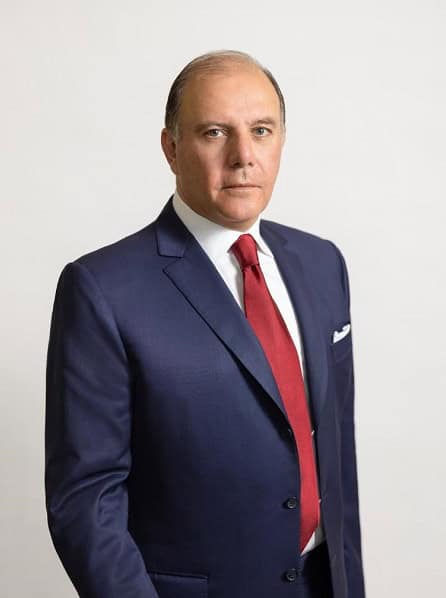
Karim Souaid
N/A
This year again, we are unable to assess Governor Souaid’s performance at the Banque du Liban due to ongoing turmoil in the country. Lebanon had shown some signs of stabilization, with notable progress on key financial sector reforms, but in March, the U.S.-Israeli conflict with Iran spilled over into Lebanon and brought institutional life to a halt.
The second armed conflict in two years is yet another setback for an economy already weakened by six years of financial, monetary, and economic crisis, resulting in massive losses for depositors, a 99% currency devaluation, and triple-digit inflation. Today, Lebanon’s economic recovery remains very uncertain. The country is still unable to adopt a “gap law” that would determine who should bear responsibility for the $80 billion in financial sector losses.
In the real economy, the Lebanese pound has achieved a degree of stability, but credit is largely unavailable to households and businesses. Day-to-day transactions continue to take place mainly in cash, including in sectors like cars and real estate, reflecting the limited role of the nation’s banks. Since 2024, Lebanon has been on the FATF’s grey list, adding another layer of international distrust toward the country’s financial sector.
OMAN

Ahmed Al-Musalmi
B-
Thus far, Oman has been a relative winner from the U.S.-Iran war. Growth is expected to reach 3.5% this year, up from 2% in 2025, making the sultanate one of the only economies in the GCC to avoid recession. The ports of Muscat, Salalah, and Duqm have gained strategic importance by allowing some regional trade to bypass the Strait of Hormuz.
Oman entered the crisis with strong buffers: banks were liquid, core deposits stable, reliance on external funding limited, and levels of nonperforming loans low. At the Central Bank of Oman, Governor Al-Musalmi did not need to introduce special monetary or supervisory measures to support local lenders.
“While geopolitical risks could present challenges, Omani banks are well positioned with diversified lending portfolios and solid capital buffers that we expect would help banks manage potential challenges,” S&P Global said, highlighting the CBO’s track record of taking proactive and corrective action to reduce banks’ vulnerability to financial crises.
The Omani riyal remains pegged to the U.S. dollar and monetary policy moves in sync with the Fed. Since our last assessment, Al-Musalmi has cut the main policy rate three times, to 4.25%. Inflation is expected to stay below 2%.
QATAR
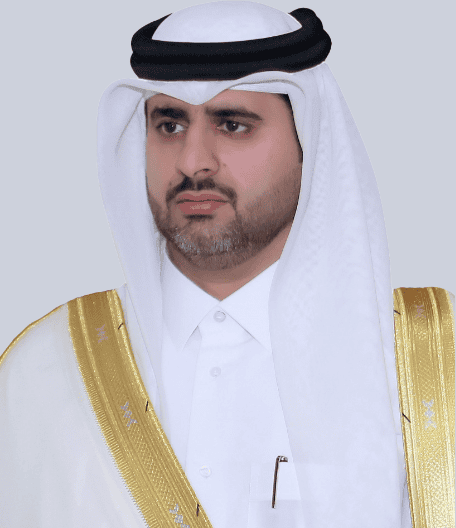
Bandar bin Mohammed bin Saoud Al-Thani
B
Qatar has arguably suffered the most of any GCC economy from the U.S.-Israeli conflict with Iran. Instead of unlocking a new phase of development on the back of the North Field liquified gas project, which was supposed to double production and lift annual GDP growth above 5%, the economy is now expected to contract by 8.6% this year.
At the Central Bank of Qatar, Governor Al-Thani has had to adapt to a rapidly deteriorating environment. In March, he introduced a preemptive support package to protect the banking system; the measures included unlimited repo facilities for the Qatari riyal, a cut in reserve requirements from 4.5% to 3.5% to boost liquidity, and loan deferrals for affected borrowers. On the monetary side, the riyal is pegged to the U.S. dollar, meaning the CBQ’s policy-rate moves mirror the Fed’s.
Since our last evaluation, Al-Thani has cut the repo rate three times, totaling 75 basis points and bringing it to 4.1% last December, where it has remained. Despite the external shock, Qatar’s financial sector remains a pillar of the non-hydrocarbon economy; local banks are among the region’s largest by assets and most innovative across the board.The Omani riyal remains pegged to the U.S. dollar and monetary policy moves in sync with the Fed. Since our last assessment, Al-Musalmi has cut the main policy rate three times, to 4.25%. Inflation is expected to stay below 2%.
SAUDI ARABIA
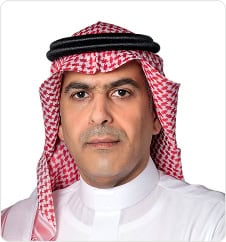
Ayman Al-Sayari
B+
Saudi Arabia has maintained financial stability despite disruptions stemming from the war in the Persian Gulf. The GCC’s largest economy has proved more resilient than many of its neighbors, owing to its ability to reroute some trade from the Strait of Hormuz to its Red Sea ports. As a result, the kingdom is expected to post between 1% and 2% GDP growth this year while the rest of the Arabian Peninsula slips into recession.
Speaking at IMF meetings in April, Saudi Central Bank Governor Al-Sayari said his country was facing regional uncertainty “from a position of macro-financial strength,” reflecting both prudent policymaking and the cumulative impact of long-term structural reforms and investment. SAMA did not roll out special measures in response to the conflict. Instead, it maintained its policy framework, with the peg to the U.S. dollar anchoring confidence in the riyal.
Since our last assessment, the central bank has cut its repo rate 75 basis points to 4.25% and its reverse repo rate to 3.75%. Inflation has stayed below 2%, one of the lowest rates in the G20. Saudi banks are profitable and well capitalized, although the sector is still largely focused on the domestic market. SAMA continues to modernize the regulatory environment to attract foreign investors and stimulate innovation.
SYRIA
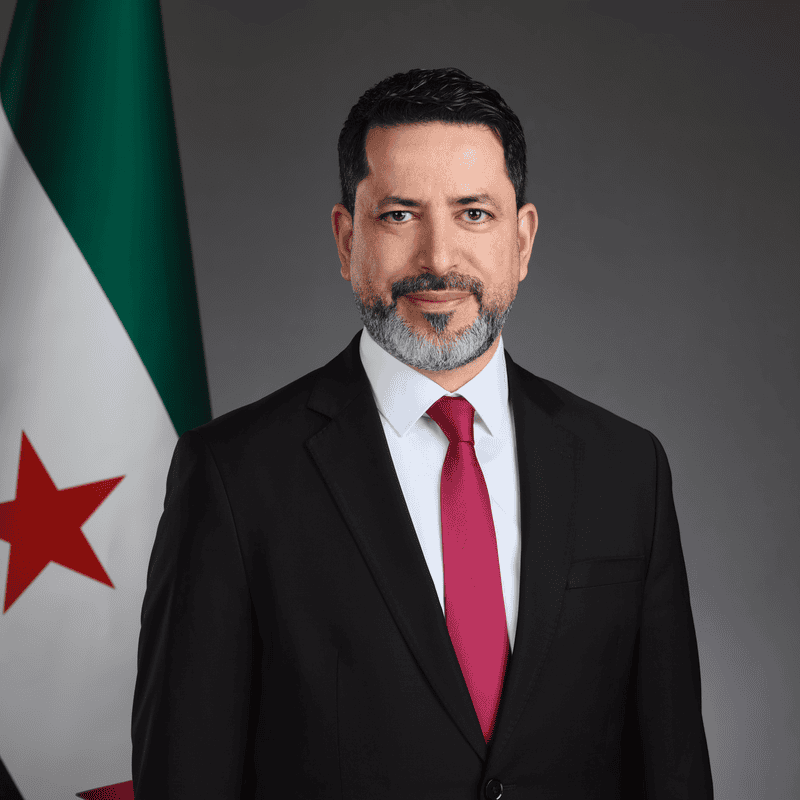
Mohammed Safwat Raslan
Too Early to Say
Raslan was appointed to head the Central Bank of Syria by President Ahmad al-Sharaa in May; he is the third governor since the fall of the Assad regime in December 2024. A former banker, he lived in Germany during the country’s civil war, where he worked for Ernst & Young and several German financial institutions. He returned to Damascus last year to lead the Syrian Development Fund, the state body responsible for coordinating reconstruction financing.
Raslan’s mandate is one of the most challenging in the region. Although international sanctions have largely been lifted, Syria remains isolated from the global financial system. Most Syrians don’t have bank accounts, don’t trust banks, and use cash for all transactions. For Raslan, the list of priorities is colossal. He must essentially rebuild the banking system and payment infrastructure from the ground up. He must also gain the trust of both Syrian citizens and international partners.
Luckily, there are strong signs of momentum. Gulf countries have pledged billions of dollars for reconstruction, the World Bank has approved a $100 million grant to support financial sector reform, and the IMF forecasts double-digit economic growth. In the months to come, turning that momentum into lasting confidence will be the new governor’s defining test.
UNITED ARAB EMIRATES
Khaled Mohamed Balama
A-
The UAE economy suffered a severe stress test this year as Iranian drones and missiles targeted trade routes and critical infrastructure all the way to the Dubai International Financial Centre. The Central Bank of the United Arab Emirates forecasts GDP growth of 1.7% this year, a drop from 5.6% in 2025. In March, Governor Balama launched a $270 billion Financial Institutions Resilience Package to strengthen liquidity and sustain lending. Measures included giving banks access to up to 30% of their cash and term liquidity facilities in U.S. dollars and dirhams as well as case-by-case assistance.
Despite the shock, the banking sector remains resilient. The CBUAE is also supporting regional stability through a $5.4 billion currency swap arrangement with Bahrain. On monetary policy, the Emirati dirham is pegged to the U.S. dollar and the CBUAE follows the Fed in making policy rate adjustments. Since our last report, the central bank has cut the base rate three times to 3.65%.
Beyond crisis management, the UAE continues to strengthen its position as the region’s leading financial center and a global capital hub. Abu Dhabi and Dubai still attract hundreds of international banks, investors, wealth managers, and fintech entrepreneurs. Supporting the ecosystem is a regulatory approach that encourages innovation in new technologies such as AI and virtual assets.