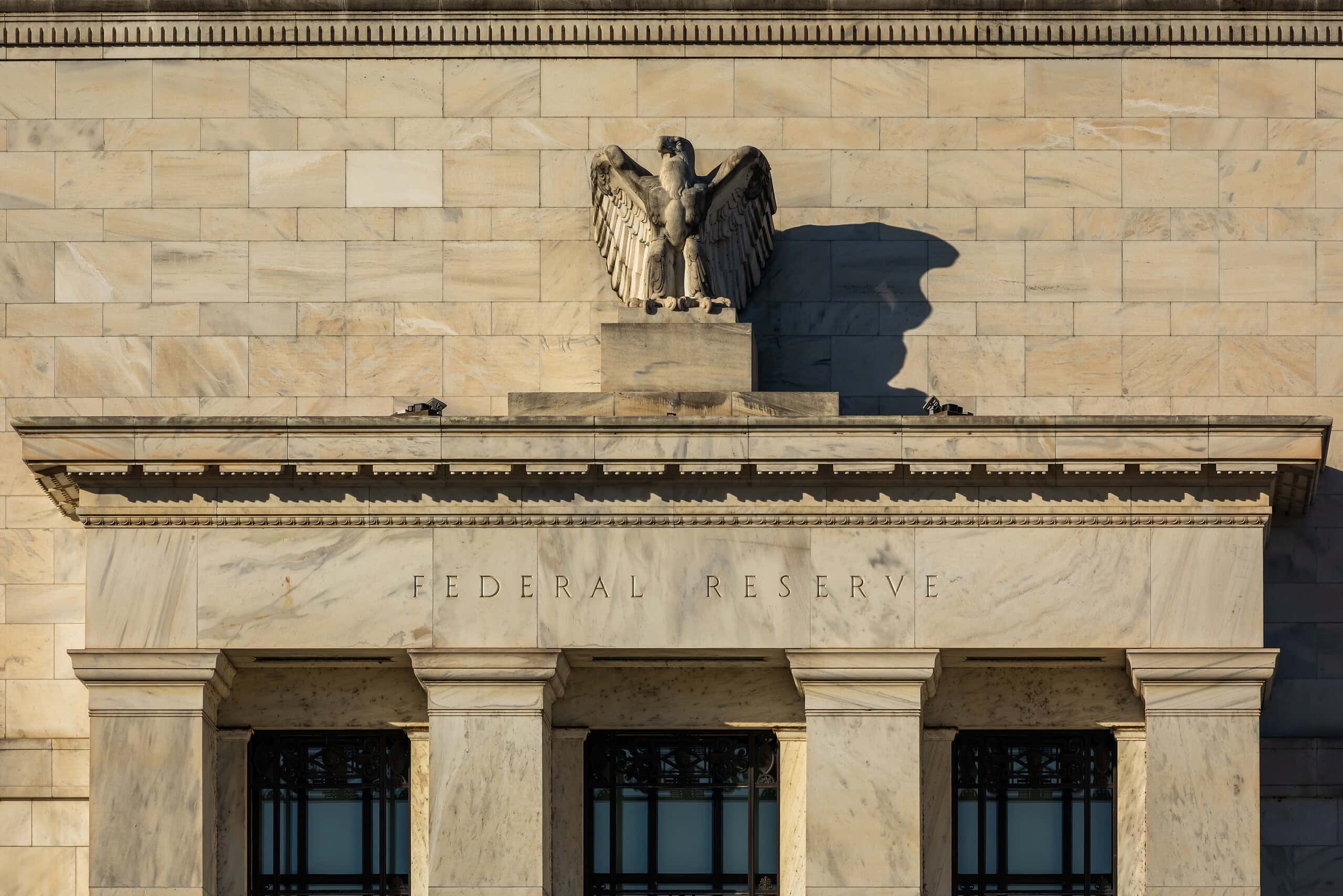


The FOMC will reduce interest rate-setting meetings starting in 2027 to allow more time for policy discussions.
The Federal Reserve steered clear of a political October surprise but delivered an unexpected shift in monetary policy strategy.
After announcing that the Federal Open Market Committee, or FOMC, decided, as expected, to maintain the federal funds rate between 3.75% and 4%, Chairman Kevin Warsh announced that the body would introduce a monetary policy strategy meeting that would not vote on the federal funds rate or issue a policy statement, replacing one of its eight policy-setting meetings beginning in the autumn of 2027. It expects to replace a second policy-setting meeting with another strategy meeting in 2028.
The move aims to get monetary policy right, said Warsh. “It involves assessing near-term development at timely, regular, and information-rich intervals. But it is equally important that we reserve time and space as an intellectually diverse group for strategic deliberations, for thinking anew about big questions, looking over longer-term horizons, and focusing on the left side of the decimal point.”
The move would reduce the cadence of the FOMC’s policy meetings, “but does not rule out possible inter-meeting policy moves because of potential exigent circumstances,” said Kenneth Kim, a senior economist at KPMG. “Chair Warsh mentioned that this had occurred during the Global Financial Crisis.”
Warsh also announced that the five task forces he commissioned during the first month of his tenure on Fed communications, the Fed’s balance sheet, the use of existing data sources, inflation frameworks, and productivity will deliver their findings by year-end.
On November 16, the Productivity and Jobs task force plans to hold a field hearing to examine productivity’s implications for jobs in the near, medium, and long term.
“I, for one, am keenly interested in refining my own views on that question, but the task force decided that they wanted to hear from more people as part of their undertaking,” said Warsh.
Keeping Politics at Bay
Warsh also knocked down any suggestion that politics affected the FOMC’s decision to maintain the federal funds rate six days before the U.S. congressional mid-term elections.
“I just spent two days with my colleagues upstairs, and didn’t hear an utterance about politics,” he said. “I didn’t hear a reference to politics, elections, or what’s happening in the next week or so.”
When asked whether he or the Federal Reserve Board would be involved in the White House’s Nov. 5 closed-door hearing on allegations of mortgage fraud involving Federal Reserve Governor Lisa Cook, Warsh replied, “Not to my knowledge.”
Future Hikes
Although the FOMC unanimously supported September’s 0.25% hike in the federal funds rate, October’s decision to maintain the rate showed slight division. Fed Gov. Lisa Cook and the Federal Reserve Bank of Cleveland President and CEO Beth Hammock each voted for a 0.25% increase.
That division moves the FOMC closer to raising rates at its December meetings, said Kim. “If you look at market probabilities for December, they’re currently at an 84% chance of a rate hike. I think those dissents are in line with what the market is factoring in will happen at the next FOMC meeting.”
Rob Daly covers the economy and fintech. He can be reached at rdaly@gfmag.com