
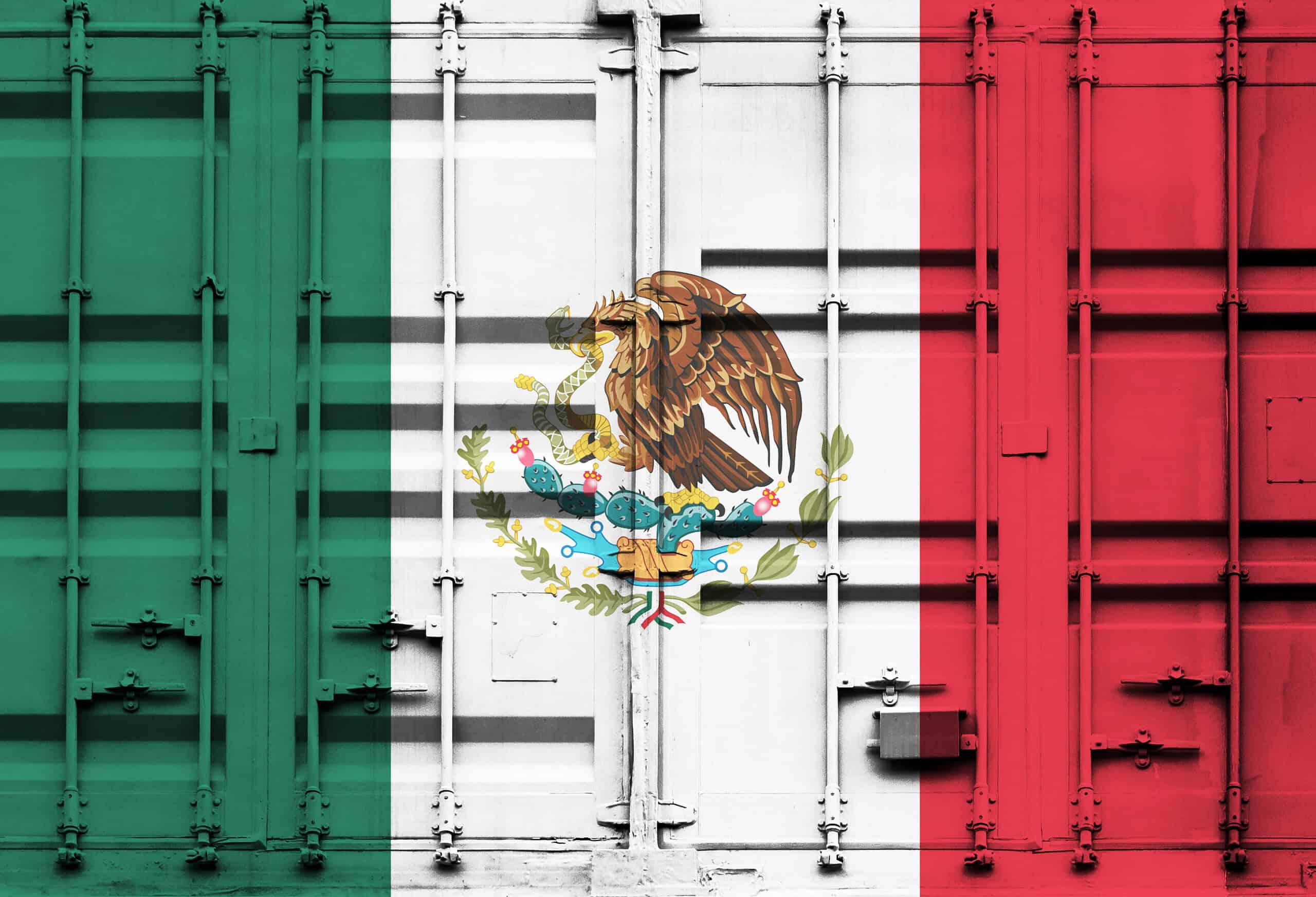


Mexico has placed tariffs up to 50% on goods from China and other countries following a 76-5 vote in the country’s Senate last month.
The import tax, which began January 1, affects 1,463 products from countries that do not have a free trade agreement with Mexico. The move comes as Mexico faces considerable pressure from the US over Chinese goods shipped there and then north of the border. Other countries affected include Brazil, India, Indonesia, Russia, South Korea, Taiwan, Thailand, and Turkey.
“The entire Mexican policy has been clear: If you want to sell in Mexico, then produce here,” said Secretary of the Economy Marcelo Ebrard.
The tariffs affect products in sectors including auto-mobiles, clothing, footwear, household appliances, plastic, and textiles. They principally impact Chinese goods. India has already asked for talks over a free trade agreement.
Around $52 billion of imports, 8.6% of the national total, will be affected. Fifty percent becomes the highest tariff rate, although most have been reduced to a range between 20% and 35%. President Claudia Sheinbaum introduced the proposal in September in response to pressure from her US counterpart, who complained that Mexico was the point of entry for thousands of Chinese goods.
Canada, Mexico, and the US are preparing to negotiate the renewal of the USMCA free trade pact.
In response to the new duties, the Chinese Ministry of Commerce has declared, “China has always opposed all forms of unilateral tariff increases,” adding that the measures will significantly harm the interests of trading partners such as China.
Experts have warned that Mexico is more dependent on China than the US for imports, with 39% of goods coming into the economy from countries without a free trade agreement. Of those imports, 20% come from China. Ebrard countered with an estimate that the tariffs should affect the Mexican economy by only 0.2% and are needed to protect 350,000 jobs in the automotive, metalworking, and textile industries.