

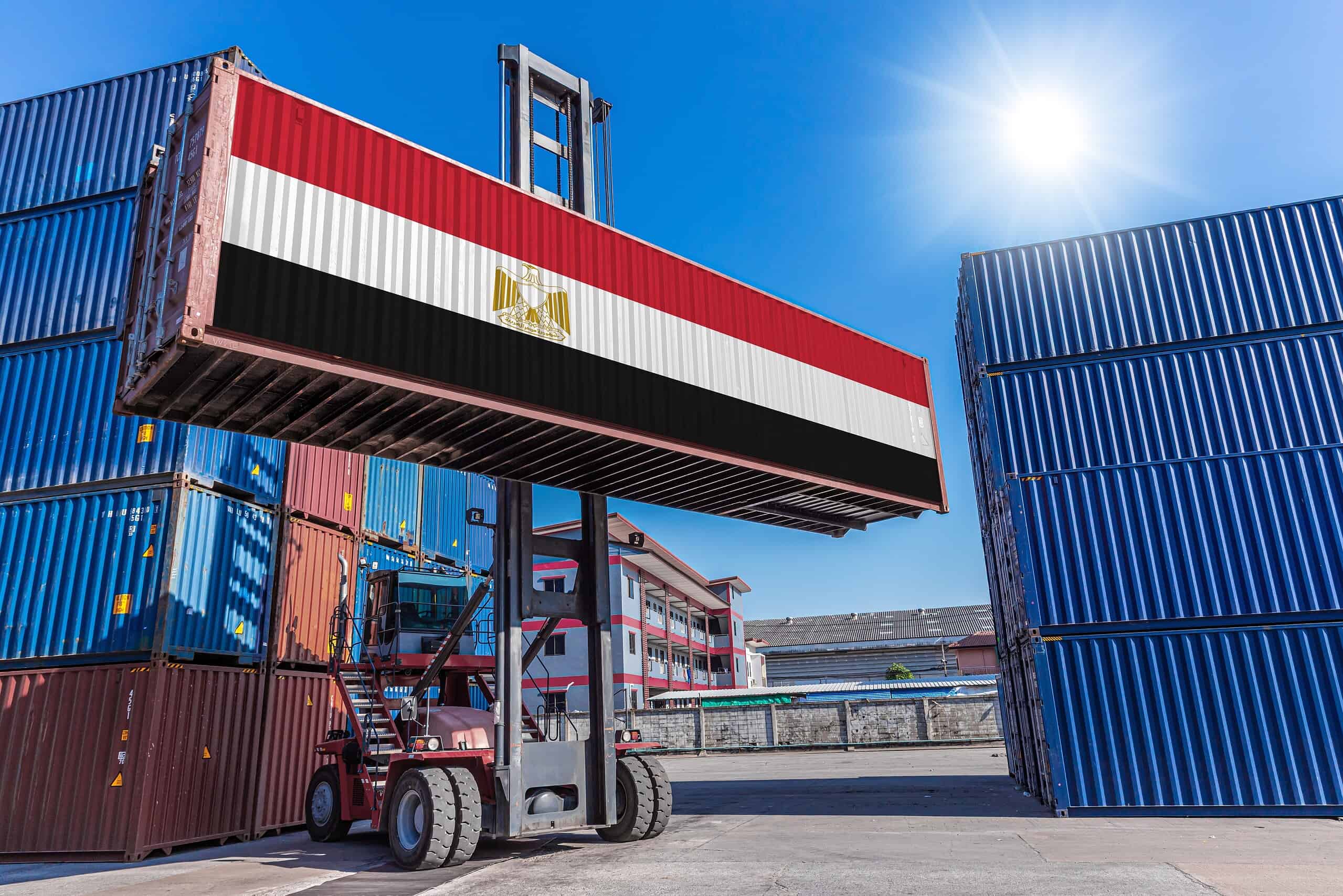


As Egypt strengthens its position as a regional trade hub, CIB is helping SMEs embrace new cross-border opportunities through tailored financing, digital trade tools, and on-the-ground banking support designed to reduce friction and unlock growth across Africa.
Africa’s trade landscape is entering a new phase. As regional integration advances and the African Continental Free Trade Area (AfCFTA) moves from policy ambition to practical execution, intra-African trade is becoming a more powerful driver of the continent’s economic future, with small and medium-sized enterprises (SMEs) at its center.
Many SMEs still face familiar obstacles that can limit their ability to scale across borders, including limited access to SME financing solutions, complex documentation, regulatory uncertainty, high logistics costs, and foreign exchange risk. But for businesses that can navigate those challenges and take advantage of emerging regional value chains and expanding markets, this shift is opening new routes to growth.
Egypt sits at the crossroads of Africa, the Middle East, and Europe, with the Suez Canal reinforcing its role in global maritime trade. Together with regional agreements such as COMESA and AfCFTA, this strategic position gives SMEs a valuable springboard into fast-growing markets across the continent.
Commercial International Bank (CIB) is working to turn that potential into practical trade flows. Through tailored financing, digital trade tools, advisory services, and cross-border banking capabilities, the bank is positioning itself as a strategic partner for SMEs seeking to expand from Egypt into Africa.
Beyond Traditional SME Banking
For many SMEs, cross-border trade requires more than a credit facility. Businesses need support in understanding market-entry requirements, managing documentation, reducing payment and collection risks, and finding reliable trade partners. This is where CIB’s approach differs from traditional banking models.
CIB’s Business Banking division has launched the CIB Export Bundle, a sector-specific package designed for exporters within the Commercial and Business Banking segments. The proposition combines financial and non-financial benefits with strategic support services, making it one of CIB’s tailored export solutions for SMEs and helping companies address the practical pain points of international trade.
CIB’s strategy reflects a broader shift in trade finance: banks are no longer simply funding transactions, but building the digital and advisory infrastructure SMEs need to compete across African markets.
This integrated model reflects a wider shift in SME banking. Rather than treating trade finance as a standalone product, leading banks are building ecosystems that combine tailored financing with the tools clients need to move goods, manage risk, and scale across markets. For SMEs, this can be decisive. Access to well-structured SME financing solutions matters, but so does the ability to navigate regulatory requirements, optimize cash flow, and reduce uncertainty in new jurisdictions.
Digitizing Trade to Reduce Friction
Digital platforms are also reshaping Africa’s trade ecosystem. In markets where documentation, branch visits, and manual processes can delay transactions, digitization offers a direct path to greater efficiency.
CIB is supporting this transition by enabling SMEs to process trade documents through online platforms. Its digital process for export document collection services allows Egyptian exporters to submit and manage export documents without visiting a physical branch. The documents can then be delivered directly to the importing country, helping streamline the export process and reduce operational friction.
For SMEs new to cross-border trade, accessibility is critical. Digital tools only create value if businesses can use them with confidence. To address this, CIB has established a dedicated team to support clients using its online platform and help them manage the challenges linked to cross-border trade in Egypt. This human layer is important. It combines the speed of digital banking with the guidance SMEs often need when entering new markets.
Egypt’s Gateway Role in African Trade
Egypt’s role as a regional trade hub extends beyond geography to include strong institutional links and commercial reach. The country’s participation in COMESA and AfCFTA gives Egyptian businesses preferential access to regional markets, creating new opportunities in processed goods, light manufacturing, agribusiness, and services.
CIB is leveraging this advantage through trade finance solutions and advisory support that help businesses navigate documentation, compliance, and financing requirements. The bank also acts as a bridge to African markets through strategic partnerships and its regional footprint.
CIB Kenya is an important part of this strategy. Kenya provides direct access to East Africa and serves as a springboard into COMESA and AfCFTA corridors. For Egyptian exporters and SMEs, this presence can support faster market entry, improve access to local insights, and facilitate regional transactions.
The ability to settle transactions in local currencies is another important advantage. By reducing reliance on the US dollar, businesses can better manage foreign exchange exposure and improve cost visibility. In a trade environment where currency volatility can affect margins, local-currency capabilities can make cross-border growth more sustainable.
Building Resilient Regional Value Chains
The next phase of intra-African trade will depend on the ability of SMEs to integrate into regional value chains. AfCFTA is creating a framework for this by advancing tariff reductions, preferential rules of origin, and operational trade corridors. But frameworks alone are not enough. Businesses need financing, trusted counterparties, efficient payments, and support in meeting trade requirements.
CIB is addressing these needs by connecting Egyptian exporters with African buyers through partnerships with trade facilitation entities. This can help SMEs identify reliable partners and reduce market-entry barriers, particularly in unfamiliar markets.
Sustainability is also becoming a defining feature of trade finance. CIB integrates environmental, social, and governance principles into its trade solutions, aligning innovation with long-term growth. Digital trade platforms, green finance instruments, and support for eco-friendly supply chains all point to a future where trade expansion and sustainability are increasingly linked.
From Local to Regional Growth
Over the next five years, CIB has an opportunity to help shape a more connected intra-African trade ecosystem. By combining Egypt’s gateway role with financial innovation, cross-border settlement, digital platforms, and sustainability-focused finance, the bank can support SMEs as they scale into regional value chains.
For Egyptian SMEs, the message is clear: Africa’s trade opportunity is expanding, but success will depend on more than ambition. It will require the right financial partner, the right digital infrastructure, the right regional expertise and the right export solutions for SMEs. CIB’s strategy brings these elements together, helping businesses move from local growth to continental opportunity.