
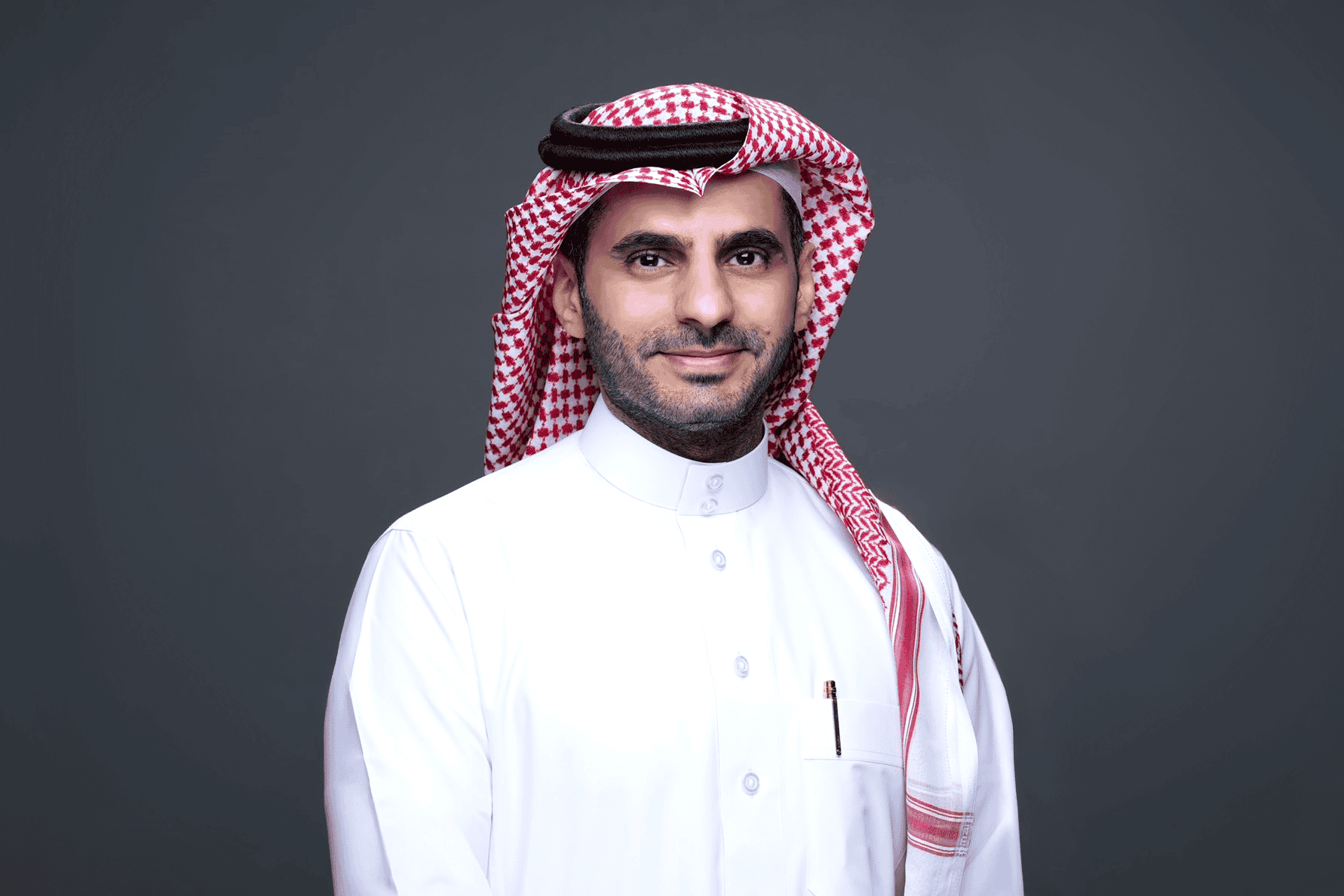


Saeed Assiri, chief innovation officer at Saudi Awwal Bank (SAB)—winner of Best Global Financial Innovation for Tokenized Islamic Repo—discusses the bank’s approach to blockchain usage and overcoming the issue of ecosystem coordination.
Global Finance: In August 2025, your institution, Saudi Awwal Bank, completed the first blockchain-based Islamic repurchase agreement (repo), a traditionally complex transaction. Nine repo transactions were successfully executed with instant same-day settlement on Oumla’s private, permissioned blockchain. If this was a proof of concept, what’s next?
Saeed Assiri: Yes, this initiative was designed as a proof of concept to explore the application of blockchain technology to Islamic repo transactions within a fully sharia-compliant framework. The objective was to validate both the technical feasibility and the broader operational implications of tokenization. Building on this, SAB is now progressing toward a structured pilot phase. This will involve deeper integration with treasury management systems and a more comprehensive assessment of liquidity, settlement, and scalability. As with any market-facing innovation, advancement will be closely aligned with regulatory frameworks, particularly in coordination with the Saudi Central Bank.
GF: What specific problems do smart contracts and blockchain technology solve for Islamic repos?
Assiri: Traditional repo workflows often involve multiple stakeholders across separate systems, leading to delays, reconciliation requirements, and operational complexity. By leveraging a permissioned blockchain, SAB has demonstrated that these processes can be streamlined through a single, shared ledger that provides real-time visibility and coordination. Smart contracts automate key transaction steps, from eligibility checks to settlement execution, ensuring consistency, reducing manual intervention, and enhancing operational efficiency. This enables near-instant, simultaneous settlement of cash and assets, strengthening liquidity management, reducing counterparty risk, and providing a transparent, auditable transaction record.
GF: What was the single largest obstacle that had to be overcome to bring this initiative to a successful conclusion?
Assiri: The primary challenge was ecosystem coordination. The value of blockchain-based solutions increases significantly with broader participation, making alignment among financial institutions and market infrastructure providers essential.
SAB played a leading role in convening key stakeholders across the Saudi financial ecosystem to align on a shared vision and value proposition. This collaboration was critical to the project’s success and reflects the kingdom’s broader commitment to fostering innovation through partnership.
GF: What was the most striking discovery at this developmental stage?
Assiri: One of the most compelling outcomes was the ability to achieve near-real-time, simultaneous settlement of both cash and securities. This has meaningful implications for improving liquidity efficiency and reducing intraday risk. In addition, the platform significantly enhanced transparency and auditability.
GF: Are smart contracts particularly useful in Islamic financial structures, given the additional compliance requirements?
Assiri: Yes, smart contracts are especially valuable in Islamic finance, where compliance requirements are more structured and must be followed precisely. They enable what we call “compliance by design,” embedding shariah principles directly into the transaction process. This ensures that contractual conditions are met automatically throughout the transaction life cycle, reducing ambiguity and enhancing consistency.
This approach strengthens stakeholder confidence while maintaining the integrity of shariah-compliant financial practices.
GF: Looking ahead, is tokenization likely to have a significant impact on global finance?
Assiri: Tokenization is rapidly emerging as a foundational capability in financial services, with growing global momentum as regulatory clarity and infrastructure continue to evolve. In Islamic finance, the potential is particularly significant. Beyond repos, tokenization can be applied to structures such as murabaha, tawarruq, and sukuk, enabling greater efficiency, transparency, and programmability across the full transaction life cycle.