


To become a financial hub, the sultanate needs the infrastructure that a major custodian can provide.
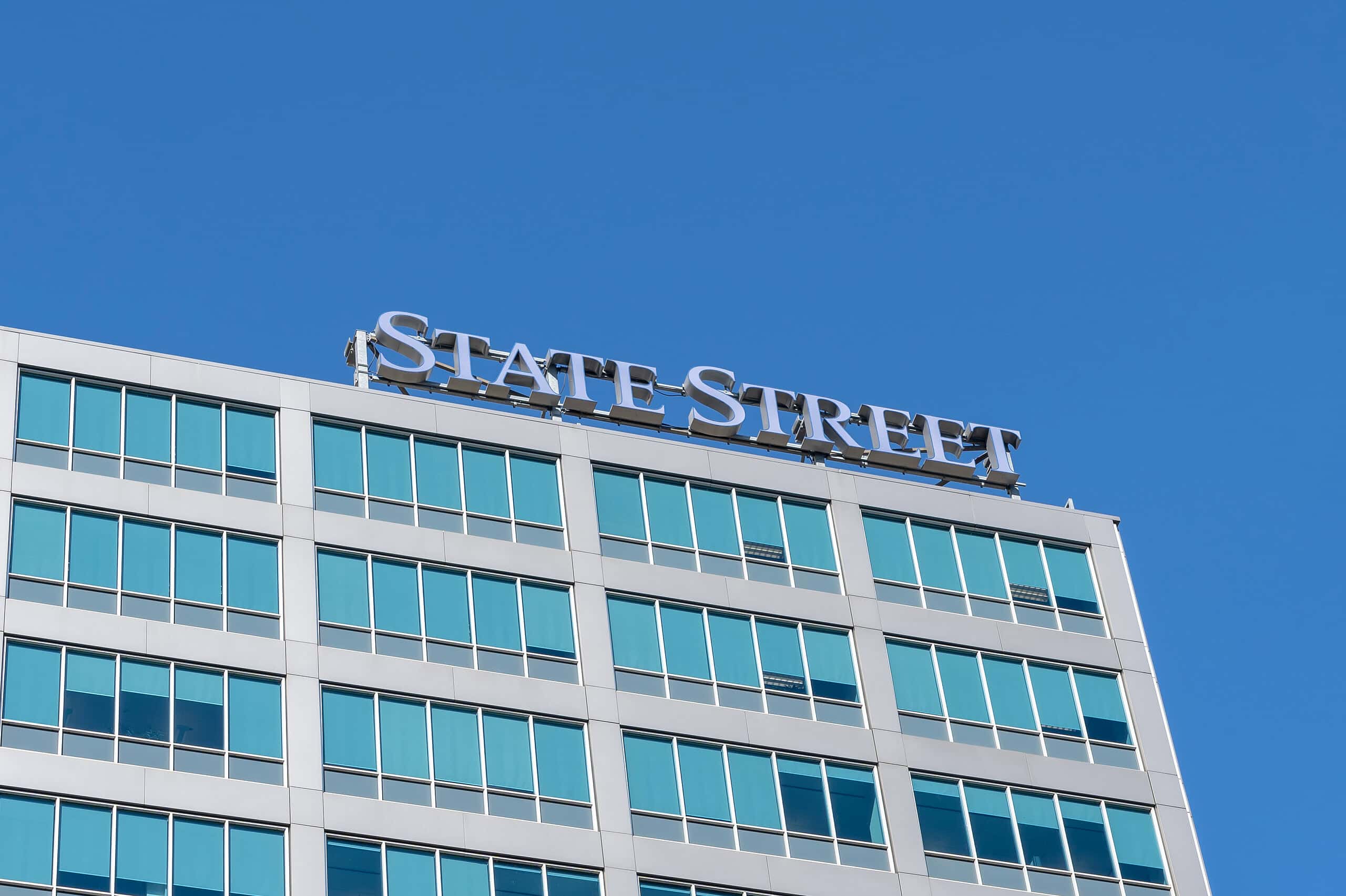
U.S. custody giant State Street is expanding into Oman, a vote of confidence in the Gulf’s smallest aspiring financial center.
At the Oman Capital Market Conference in Muscat in early June, the bank signed an agreement with Riyadh-based Jadwa Investment, which manages about $30 billion in client assets, to jointly pursue institutional clients in the sultanate, with a focus on global custody and asset servicing. The agreement formalizes State Street’s deeper push into the Omani market. State Street, one of the big three global custodians alongside BNY and Northern Trust, has served Omani clients from a Muscat office for more than two decades.
The Gulf Cooperation Council, of which Oman is a member, is a declared strategic priority for State Street. But for both sides, the logic of the deal centers on infrastructure.
Targeting Emerging Market Status
Custody and asset servicing are what Oman, as a financial center, has lacked at scale as it pursues its central ambition: to elevate the Muscat Stock Exchange (MSX) from frontier to emerging market status, attracting index-tracking capital, credibility, and prestige.
The sultanate has spent five years working toward that goal. The Oman Investment Authority, its sovereign wealth fund, took ownership of the MSX in 2021 and began injecting liquidity and floating state assets, including units of the energy group OQ. Market capitalization has nearly doubled to about $98 billion in an economy of roughly $117 billion.
Even so, the bourse is a sliver of the region’s dominant exchange, Saudi Arabia’s $2.7 trillion Tadawul. A unified regulator, the Financial Services Authority, created in 2024, has since introduced listing incentives, a junior market for smaller companies, and cross-border arrangements to give foreign investors a way in. Oman plans to privatize as many as 35 state firms by next year, further increasing the total float.
As its Gulf rivals absorb the fallout from the Iran war, Oman’s long-cultivated neutrality, its port of Duqm, and its free-trade agreement with the U.S. have positioned it as a relative haven. Whether it will harden into a genuine regional financial hub is less certain; Oman is a latecomer to a field led by Dubai and Abu Dhabi, and liquidity on the MSX remains thin, with heavy state ownership and slim free floats.
The agreement between State Street and Jadwa is, for now, only a memorandum of understanding, with no concrete mandate and no assets yet committed. But the signal is clear. When a custodian of State Street’s heft attaches its name to Oman, it redraws the Gulf’s financial map at the edges. Muscat has decided it would rather build the back office than keep renting someone else’s.
Kim Iskyan is a contributing writer based in the U.S.