

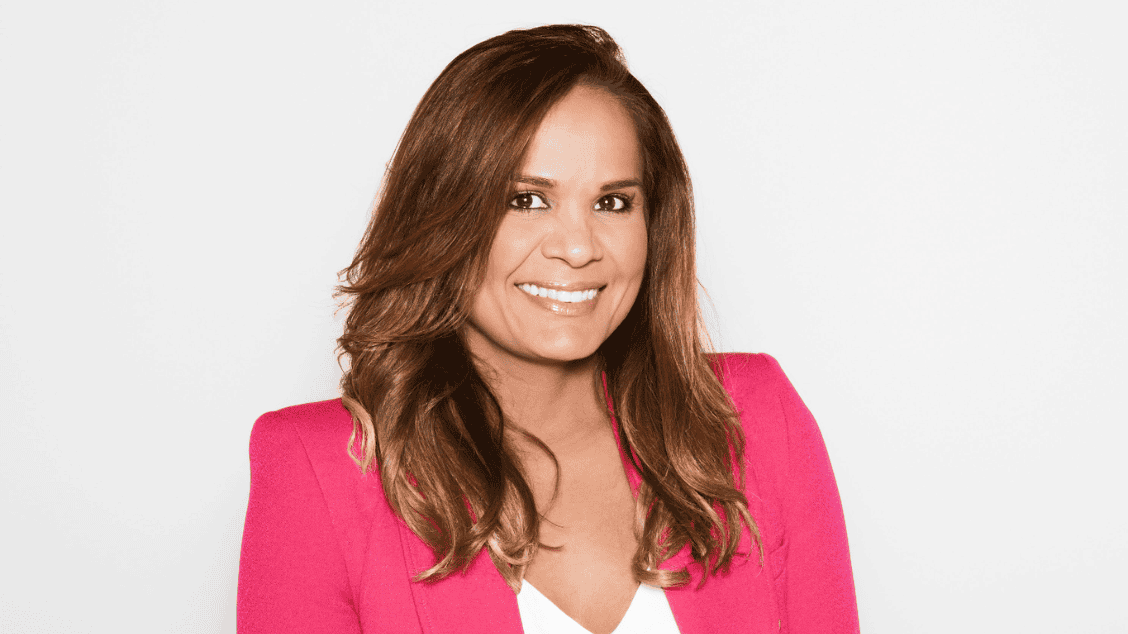


Lightspeed CFO Asha Bakshani on IPO discipline, capital allocation, AI-driven finance, and what it takes to lead modern SaaS companies.
Asha Bakshani has spent her tenure at Lightspeed Commerce at the intersection of capital markets discipline and high-growth execution. Since becoming CFO in April 2022—and after previously serving as Executive Vice President of Finance—she has helped steer the Montreal-based company through a period defined by public-market scrutiny, operational tightening, and an expanding global footprint.
Bakshani spoke with Global Finance about one of the defining moments of her career: guiding Lightspeed through its 2019 IPO on the Toronto Stock Exchange. She also unpacks what it really takes to take a company public, from financial rigor and governance to shaping a story investors believe in.
Global Finance: What stands out as your main achievements leading finance at Lightspeed?
Asha Bakshani: A defining milestone in my tenure was leading Lightspeed through its 2019 IPO on the TSX. It marked a pivotal moment for the company and a significant point in my career. Taking a company public requires rigor across every dimension: financial readiness, governance, controls, and a clear, credible narrative for investors. What stood out most was the level of precision and cross-functional alignment required to meet public-market expectations while articulating a compelling long-term growth strategy.
Beyond the transaction, the IPO fundamentally elevated how we operate. It strengthened accountability, increased discipline across the organization, and positioned Lightspeed for its next phase of global growth. Personally, it sharpened my leadership in high-stakes environments and deepened my understanding of capital markets.
GF: What aspects of the CFO role take up most of your time?
Bakshani: My focus is concentrated in three areas where I believe finance creates the most enterprise value. Strategy and capital allocation is my top priority. I partner closely with the CEO and leadership team to determine where we invest across products, markets, and M&A while rigorously evaluating ROI and shaping our path to sustainable growth and profitability.
Investor relations and market narrative come next. I ensure we present a clear, consistent, and credible story to the market through earnings guidance, and ongoing investor engagement, balancing expectations with performance and building long-term trust. Also important is executive business partnership; I work closely with leaders across product, sales, and operations to drive disciplined decision-making, constantly pressure-testing where we invest, how we scale, and what risks or opportunities we may be overlooking.
GF: How important is it for you to have a good team, and what defines a good team for you?
Bakshani: A high-performing finance organization is essential. It enables me to stay focused on strategy, capital allocation, and the external narrative.
A strong team is defined by three things: depth of expertise across core functions (FP&A, controllership, tax, treasury, data, and corporate development); clear accountability and succession planning, to ensure continuity and scalability; and operational efficiency through systems and automation, reducing manual work and increasing insight. My role is to ensure the right leaders, structure, and tools are in place, so that the finance function operates with precision and consistency.
GF: How do you see AI affecting your work?
Bakshani: AI is fundamentally shifting how finance operates, and I see it as a significant [enabler] for our team. First, it automates routine, time-intensive work such as data gathering, reconciliation, and basic analysis. This allows our teams to focus on higher-value activities like interpreting data, identifying insights, and driving better decisions.
Second, AI accelerates how we process and synthesize information. It enables faster pattern recognition and more timely insights, which is critical in a fast-moving and competitive environment. Finally, AI is improving efficiency across the broader organization, from customer support to product development. The result is faster execution, lower costs, and more innovative outcomes, all of which contribute to stronger long-term profitability.
GF: What advice do you have for aspiring CFOs?
Bakshani: There are several critical capabilities, but a few are non-negotiable. Build a strong financial foundation, which means developing deep expertise across accounting, FP&A, treasury, tax, and controls; understanding how financial data connects to operations, strategy, and risk; and becoming fluent in using data to tell a clear story.
Expand into strategy and business partnerships, which requires going beyond the numbers. Learn how each function operates and consistently translate financial insights into actionable business decisions and trade-offs.
You’ve got to lead with influence and credibility. Communicate clearly across all your audiences, from the board to investors to employees. Build trust through transparency, consistency, and sound judgment.
Investing in people and team development is critical. Hire and develop talent that combines technical strength with cross-functional collaboration. A strong team enables you to operate at a strategic level.