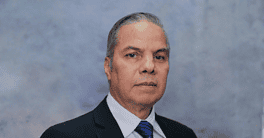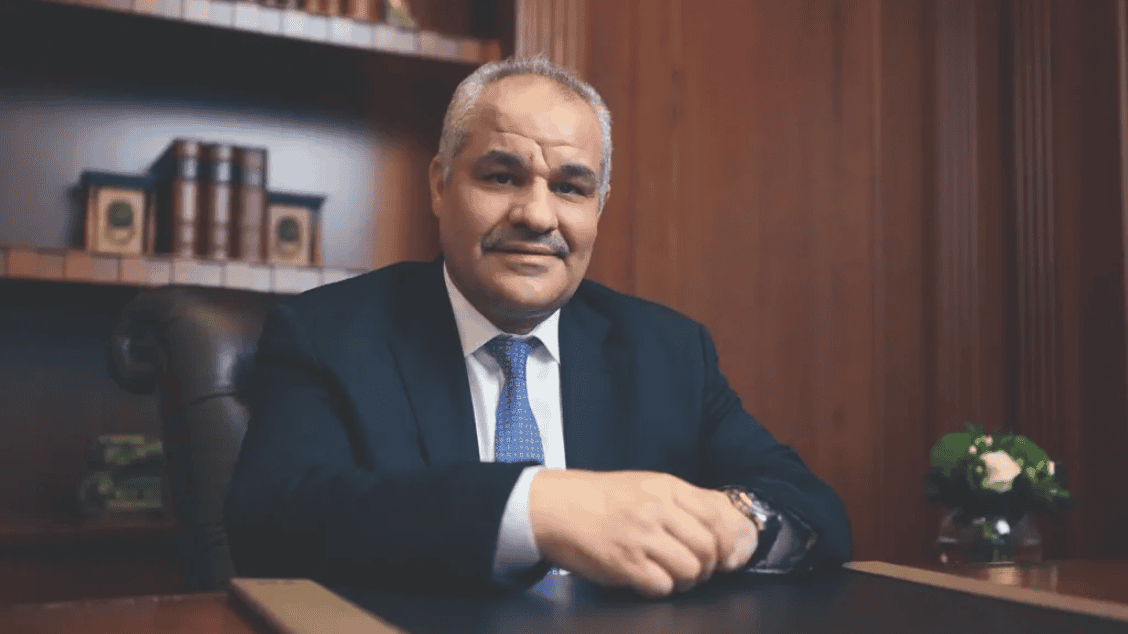


Naji Mohamed Issa Belqasem, governor of the reunified Central Bank of Libya (CBL), discusses the challenges facing Libya as it rebuilds and works to restore trust in its economy.
Global Finance: How is the U.S.-Iran conflict impacting Libya’s economy?
Naji Mohamed Issa Belqasem: For Libya, the immediate effect can be positive through higher oil prices, as oil and gas account for more than 90% of government revenues and exports. However, we should not interpret higher oil prices as a solution to Libya’s underlying economic problems. Given the structural weaknesses in our public finances, temporary increases in oil revenue could easily translate into higher current expenditure rather than productive investment. This would reinforce the existing dependence on oil and leave the economy vulnerable once prices normalize.
There is also a significant downside risk. Higher global energy, shipping, and insurance costs can raise the cost of imports, transportation, and essential goods, adding to inflationary pressures and affecting household purchasing power. Moreover, a prolonged conflict could weaken global economic activity and demand for oil while continued uncertainty could increase volatility in both oil prices and international trade.
GF: From your vantage point as a central banker, what are the key issues facing Libya today?
Belqasem: The Libyan economy is facing serious structural challenges, particularly its heavy dependence on hydrocarbons, excessive public expenditure, pressure on the exchange rate, the continued expansion of the public sector, and the limited contribution of the private sector to economic activity and GDP.
Libya remains highly vulnerable to oil price shocks and disruptions in production. This means that public finances and the broader economy remain highly exposed to changes in global oil prices and any sudden interruption in hydrocarbon production.
The structure of the public budget itself is also a major concern as approximately 85% of total public expenditure is directed toward consumption-related spending. This includes around 45% allocated to public-sector salaries and 25% to subsidies. At the same time, public-sector employment has expanded significantly, reaching about 2.3 million employees out of a 7.5 million total population.
Our objective, therefore, is to restore fiscal discipline and gradually rebalance public spending toward productive investment while reducing the economy’s dependence on oil revenues. This requires strengthening the private sector and increasing its contribution to GDP by improving the business and investment environment, encouraging entrepreneurship, and promoting investment in alternative sectors such as trade, logistics, agriculture, manufacturing, and services.
GF: Libya’s first unified budget in 13 years, passed in April, was a major breakthrough. How is implementation going?
Belqasem: The adoption of Libya’s first unified budget since 2013 represents a historic milestone in restoring fiscal discipline, overcoming financial fragmentation, and establishing a robust common framework for public spending that enhances national transparency and accountability. Although implementation presents distinct challenges, with pressures to increase spending by the two governments, the primary objective is ensuring that public expenditure remains strictly aligned with the agreed framework and backed by sustainable revenues.
The CBL continues to urge relevant institutions to tighten expenditure controls, optimize cash management, and direct public resources toward essential services, strategic development, and core economic priorities, recognizing that the framework’s success ultimately depends on unwavering institutional cooperation and disciplined execution.
GF: After nine years of institutional division between Tripoli and Benghazi, how is the reunification of the central bank taking place, and what are the key challenges?
Belqasem: The reunification of the CBL stands as a landmark institutional achievement in the nation’s journey toward economic and financial stability. Beyond a mere administrative merger, this milestone has restored unified governance, integrated operational data, harmonized procedures, and rebuilt professional confidence across the banking sector. Building on this foundation, the reunified CBL has driven significant modernization across the financial system. Notable advancements include pioneering instant electronic payment systems, such as real-time salary disbursements for public-sector employees, alongside enhanced foreign currency management and the resumption of secure foreign currency cash imports to safeguard the availability and integrity of banknotes within the formal economy. [But] without a political solution with a single government for the entire country, the unified CBL will remain under huge pressure.