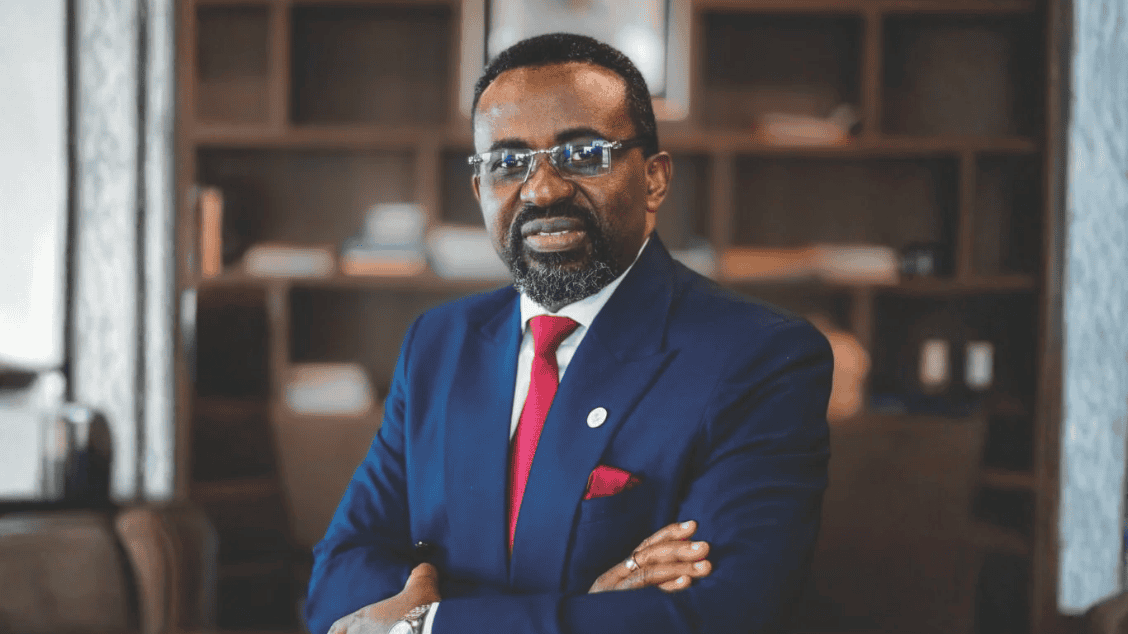


Johnson Pandit Asiama, governor of the Bank of Ghana, discusses the challenges of sustaining macroeconomic stability following Ghana’s emergence from a deep economic crisis.
Global Finance: What is the outlook for Ghana’s economy for the next 12 months, and what would you say are the main risks it faces?
Johnson Pandit Asiama: Ghana has recorded remarkable economic recovery, with growth of 6% in 2025. The momentum is being sustained by declining interest rates, improving business confidence, and increased oil production. Lower borrowing costs have stimulated private-sector investment while higher oil output has boosted export earnings, strengthened foreign exchange inflows, and supported industrial activity.
Also contributing to the positive outlook is macroeconomic stability, characterized by lower inflation and a stable exchange rate, fiscal consolidation, and structural reforms, as well as strong performance by key sectors like mining. Having expanded by 6.4% in the first quarter of 2026, growth is expected to remain resilient at around 6% for the remainder of the year.
Nevertheless, some anticipated downside risks could temper the momentum. Recent flooding and the potential impact of El Niño-related drought conditions could adversely affect the agricultural sector. Manufacturing will also face headwinds from potential increases in electricity and water tariffs. Also of concern is the Middle East crisis, which continues to pose risks to global supply chains.
GF: How is the Bank of Ghana (BOG) dealing with the inflationary pressures ignited by the Middle East conflict?
Asiama: The conflict is affecting crude oil production and supply, leading to a sharp rise in crude oil prices. Although Ghana exports crude oil, it remains a net importer of crude products. Elevated prices have contributed to an increase in the oil import bill and prices at the pump, putting some marginal pressure on headline inflation and the currency.
The BOG expects headline inflation to remain within the target band of 8%, plus or minus 2%. The bank continues to closely monitor developments in the global economy and their implications for domestic price pressures to inform appropriate monetary policy decisions. The bank is also building reserves to help cushion against exchange rate pressures.
GF: How stable is Ghana’s banking sector, and how is the sector propelling economic activity?
Asiama: Ghana’s banking sector is showing strong signs of recovery, with improvements in asset quality, solvency, liquidity, and private-sector credit growth. The industry has since overcome its most difficult phase, brought on by reforms and the 2022 macroeconomic crisis.
Several key indicators show stability has improved considerably. Capital adequacy ratio stood at 20.4% in June while the non-performing loans ratio fell from 23.1% in June 2025 to 16.1% in June this year. Loans have increased from GH¢89.7 billion (U.S.$8 billion) in June 2025 to GH¢124.3 billion in June this year, a year-on-year growth of 38.6%.
A healthier banking sector acts as a spark for broader economic activity, including improving confidence among domestic and foreign investors. That is why the BOG intends to sustain the gains in the industry. Among key measures is directing banks to work to reduce their NPL ratios to a 10% benchmark by the end of this year.
GF: The BOG has successfully managed to rebuild reserves. What has been the impact on the FX market?
Asiama: The strong build-up in reserves, which have hit a record high of $14.4 billion, signals a meaningful regime shift. Against the backdrop of the country’s foreign exchange crisis a few years ago, this development has significantly strengthened market confidence and reinforced exchange rate stability. Last year, the cedi appreciated by 40.7%, and reserves have continued to provide a buffer this year, helping contain exchange-rate volatility despite headwinds from the Middle East crisis that have increased energy-related forex demand.
GF: What keeps you awake at night, and what are your aspirations for the BOG?
Asiama: What keeps me up at night is a very particular kind of déjà vu. Ghana once stood almost exactly where it stands now, with inflation falling, growth strong, and confidence returning, only to watch it unravel. Restoring stability is one challenge; sustaining that stability is the greater test.